

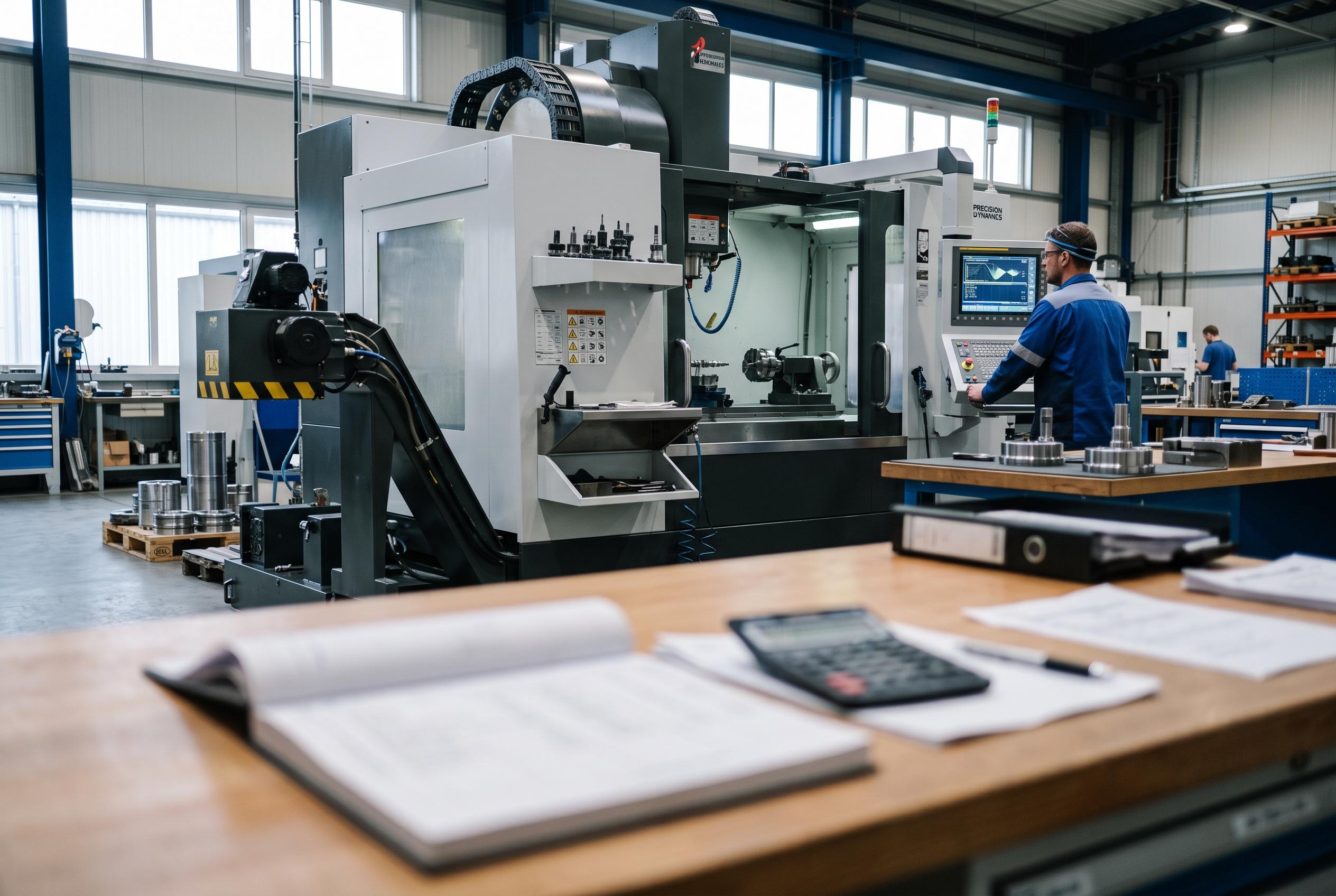

Businesses considering a ₹15 lakh machinery purchase can now leverage GST input credits and depreciation benefits to reduce effective costs, with flexible financing options tailored for steady taxable sales.
A ₹15 lakh machinery purchase can be easier to justify than it first appears, particularly for businesses that are GST-registered and have steady taxable sales. The FlexiLoans guide says buyers may recover about ₹2.7 lakh in input tax credit on the GST portion, while also claiming depreciation on the machine’s ex-tax cost. That combination can materially reduce the effective price of the asset.
On financing, the guide says the loan is usually structured as a term loan with fixed monthly instalments, making cash-flow planning straightforward. Using an indicative 18% annual rate, it puts the EMI at roughly ₹74,900 over 24 months, about ₹54,200 over 36 months and around ₹48,400 over 42 months. The longer the tenure, the lower the monthly payment, but the total interest rises.
Tax treatment matters just as much as the loan terms. The guide says plant and machinery generally qualify for 15% depreciation on a written-down value basis, which means the deduction falls each year but continues to produce a tax benefit. It also notes that if the machine is used for less than 180 days in the first year, only half the normal depreciation is available for that year.
GST input credit has its own conditions. Guidance from GST-focused tax explainers says capital goods used for taxable business supplies can usually qualify for full input tax credit, provided the asset is capitalised properly, the supplier’s invoice is valid and the credit appears in GSTR-2B. But there is a key restriction: if depreciation is claimed on the GST component under income-tax rules, that same tax amount cannot also be claimed as input credit. In practice, that means businesses claim credit on the GST paid and depreciate only the base price.
The guide also points to the practical side of borrowing. It says unsecured machinery loans may be available to businesses with around one to two years of trading history, monthly turnover near ₹2 lakh and a CIBIL score of 700 or above. Typical paperwork includes PAN, Aadhaar, bank statements and GST returns, while larger loans may require audited financial statements or income-tax returns. The Reserve Bank of India also requires lenders to provide a Key Fact Statement so borrowers can see the true cost before signing.
Disclaimer: This article is intended to inform and educate, not to recommend or endorse any financial product, investment or strategy. Please consider your own financial circumstances and seek professional advice where appropriate before making financial decisions.



