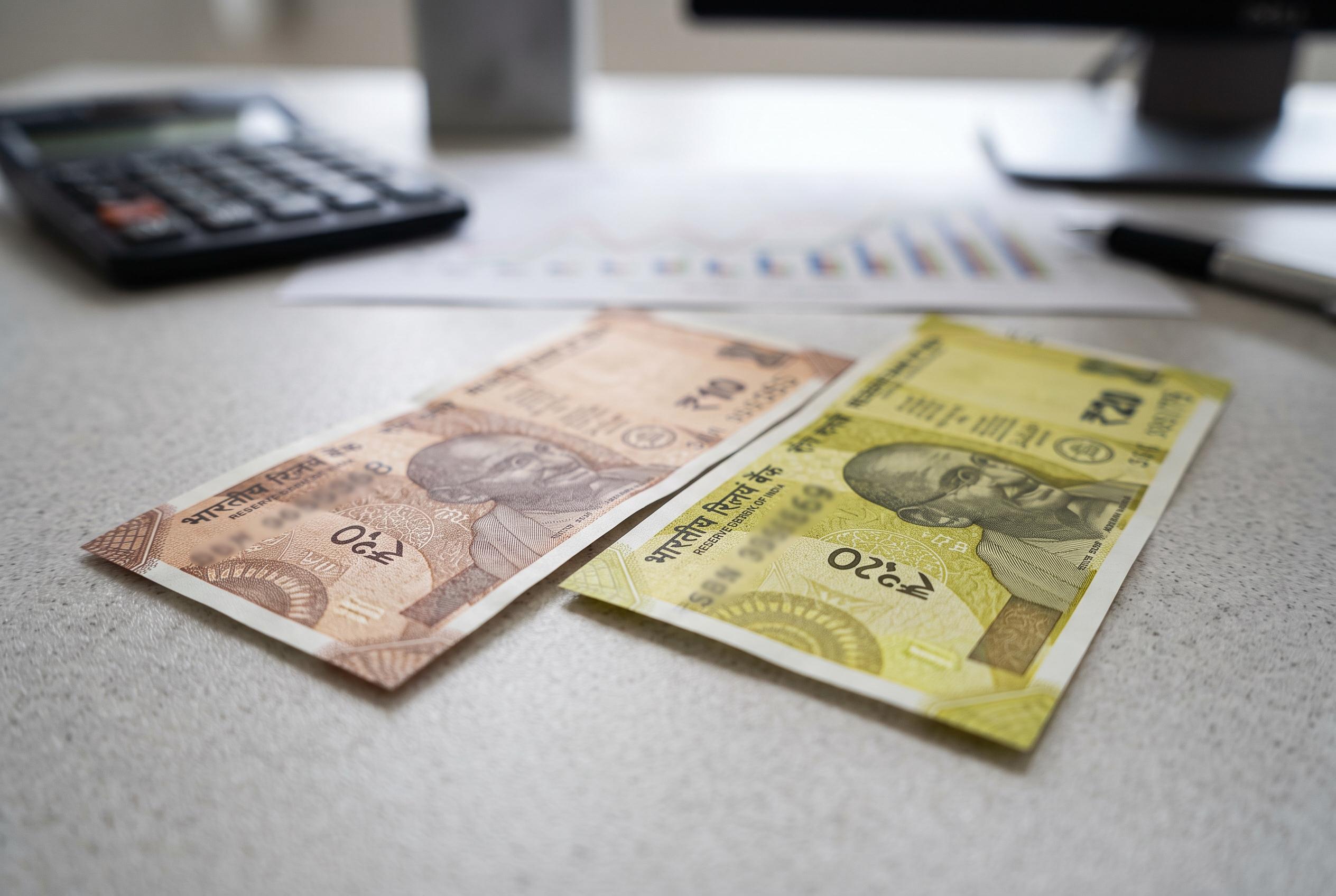

The Indian government has sanctioned a nationwide trial for 1 billion polymer banknotes in ₹10 and ₹20 denominations, signalling a potential shift towards more durable currency in its monetary system.
India’s government has approved the Reserve Bank of India’s plan to test 1 billion polymer banknotes each in the ₹10 and ₹20 denominations, a move that could eventually lead to regular circulation if the trials prove successful. Finance Minister Nirmala Sitharaman told Parliament that the central bank, acting on the recommendation of its Central Board, had sought permission under Section 25 of the Reserve Bank of India Act, 1934, and that the proposal had now been cleared.
According to the minister, the new notes would be issued alongside existing paper currency rather than as a replacement. The Reserve Bank has also said the procurement process is still at an early stage, meaning the timetable for launch and the cost of the exercise have not yet been fixed.
The proposal comes as the central bank continues to examine whether polymer notes would better suit India’s usage conditions. RBI Governor Sanjay Malhotra said earlier this month that the pilot was still under way and that the currency would be tested before being introduced to the market. He has indicated that the bank is aiming for polymer notes to be in circulation by fiscal 2028, subject to the results of the field trials.
Reports in Business Standard, The Economic Times, The Indian Express, The Financial Express and other outlets said the pilot would cover 100 crore notes each in the ₹10 and ₹20 denominations, with a combined face value of ₹3,000 crore. Officials have made clear that the plan is for polymer and paper notes to coexist, and that there is no intention to phase out conventional banknotes.
Disclaimer: This article is intended to inform and educate, not to recommend or endorse any financial product, investment or strategy. Please consider your own financial circumstances and seek professional advice where appropriate before making financial decisions.