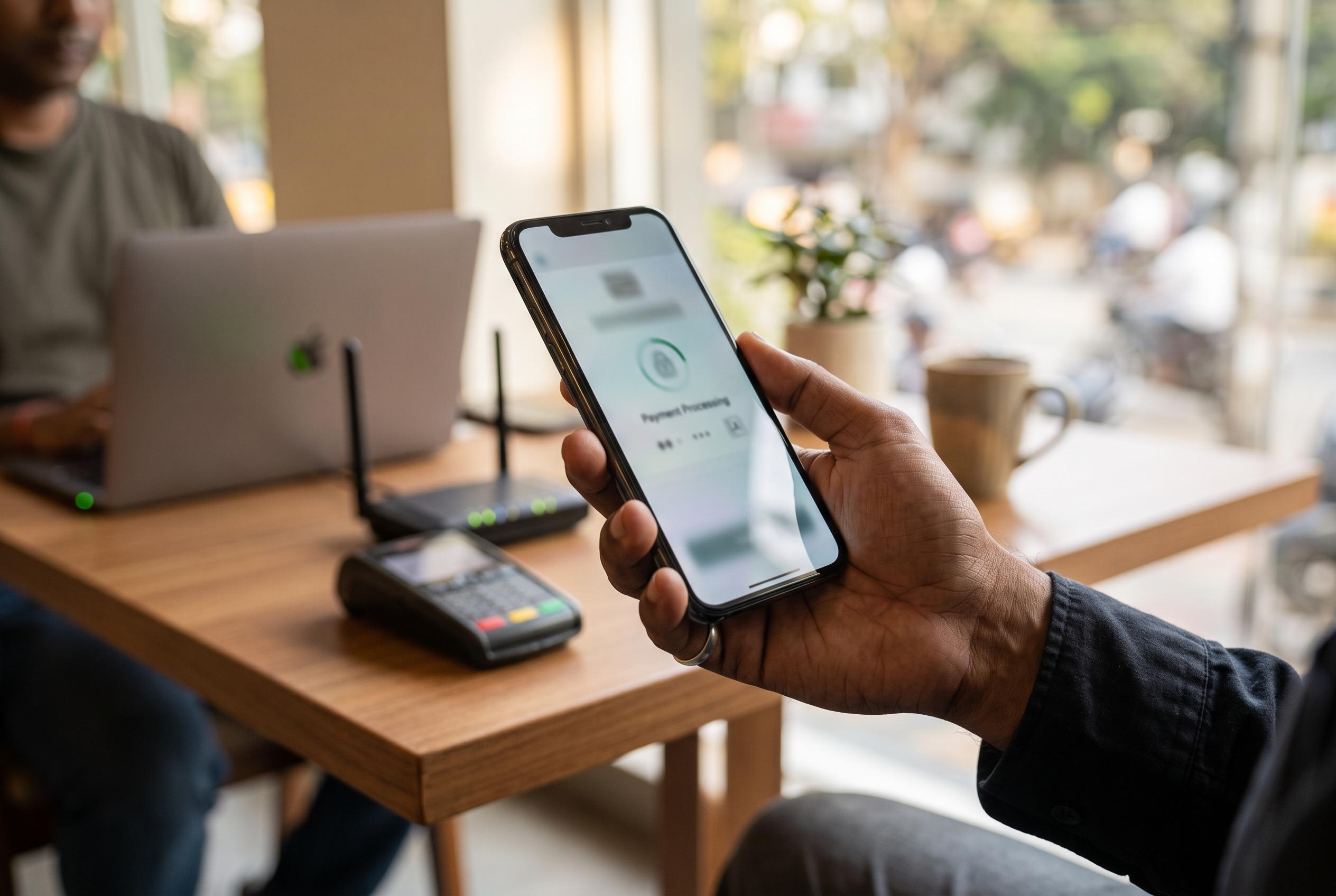

India’s shift from traditional card entry to device-based tokenisation could revolutionise online checkout experiences, reducing friction and enhancing security amid industry adoption across major fintech players.
India’s card-payment story has long been one of gradual digitisation, but the checkout experience itself has changed far less than the technology around it. According to a Mint report, the country’s first credit card arrived in 1980, debit cards and ATM networks spread in the 1990s, and the 2000s turned cards into a key tool for online shopping. Even so, most users still know the ritual: enter a 16-digit number, expiry date and CVV, then complete an extra authentication step. That familiar friction remains a major reason shoppers abandon purchases.
The Reserve Bank of India’s tokenisation rules, which took effect in September 2022, were meant to reduce that burden by replacing card data with unique tokens and preventing merchants from storing sensitive details. Yet the system largely remains tied to individual merchants, meaning a card still has to be entered once on each new site before it can be saved. Industry estimates cited by payment companies suggest that this first-step friction continues to push many users away at checkout.
That is where device tokenisation is being positioned as the next step. Unlike card-on-file tokenisation, which is linked to a particular merchant, device tokens are tied to a user’s phone, tablet or smartwatch. In practical terms, that can allow a card stored on an approved device to reappear at checkout across participating sites without the customer retyping the card number. The approach is already familiar in offline payments through services such as Apple Pay and Samsung Pay, but it is now moving further into online commerce.
Cashfree says its CardLink product is built around that model. The company describes it as a way to surface saved cards automatically at checkout on CardLink-enabled merchants, reducing manual entry and making the first transaction quicker. Cashfree says the system can speed up payments, lift success rates and reduce drop-offs, while also cutting the chance of typing errors. Those claims fit broader industry commentary: Business Standard reported that fintech firms are increasingly adopting device tokenisation because it is designed to combine convenience with stronger security.
The ecosystem is also widening. The Economic Times reported that PhonePe has introduced device tokenisation for credit and debit cards, starting with Visa and planning broader support. Cashfree says it has already integrated with CRED and Google Pay, with Samsung Pay and PhonePe expected to follow. If that expansion continues, the result could be a linked-card network in which a card saved once becomes available at multiple checkouts, bringing online payments closer to the same near-instant experience users have come to expect from tap-to-pay.
Disclaimer: This article is intended to inform and educate, not to recommend or endorse any financial product, investment or strategy. Please consider your own financial circumstances and seek professional advice where appropriate before making financial decisions.