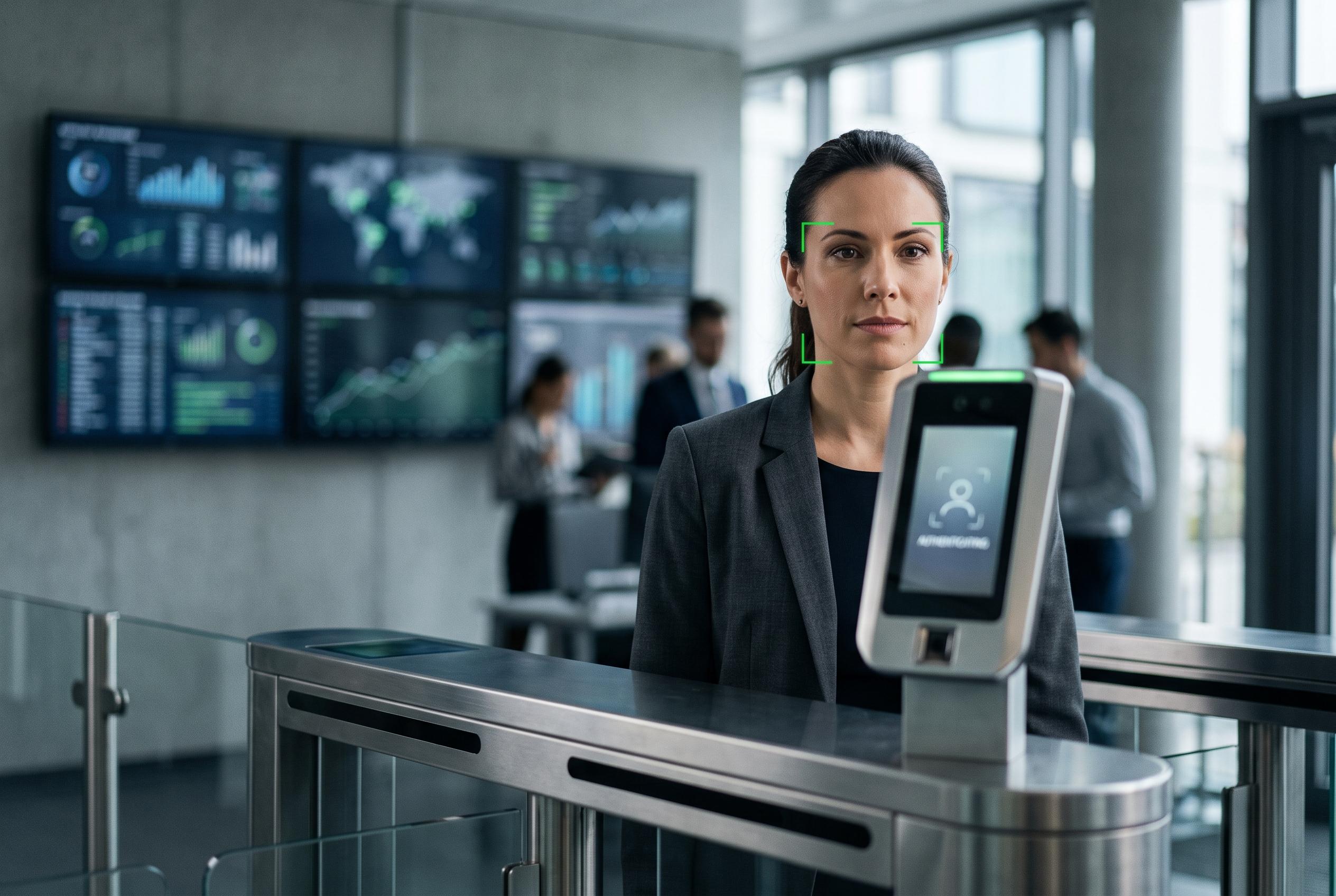

AI-generated faces, voices and documents are helping criminals bypass remote verification and high-value approvals, forcing organisations to combine biometric checks with behavioural and device intelligence.
Deepfake-assisted identity fraud is moving into the mainstream of cyber risk because it attacks the point where many organisations still place the most trust: face, voice and other biometric checks. As SC World explains, criminals can now use AI-generated video, audio and images to impersonate legitimate users during enrolment, password resets and high-value approvals, bypassing controls that were designed to stop stolen passwords or copied documents. The result is a form of identity fraud that can undermine remote proofing, call centres and other workflows that depend on visual or voice confirmation.
The threat is no longer limited to crude fake videos. According to DeepIDV’s 2026 guide to KYC fraud, AI-generated identity abuse has surged sharply and now includes injection attacks, face swaps and forged documents, often combined in a single attempt. TechRadar has argued that fraud has become a round-the-clock problem because automation lets criminals test systems at scale, while synthetic identities can be assembled from stolen data and realistic AI-generated details, including selfies and voice clones, for relatively small sums on dark web markets. That combination makes detection harder and attacks cheaper to repeat.
The weak point is often the assumption that a biometric signal proves a live human is present. SC World says attackers can train models on photos or recordings taken from social media, company websites or earlier customer interactions, then produce real-time media that appears to blink, speak and move naturally. TechRadar has also warned that some fraudsters are using repeated, slightly altered synthetic identities to probe defences over time, which makes static fraud rules less effective. For financial services, telecoms and other sectors that rely on remote verification, the danger lies in account opening, transaction approval and privilege changes that may look routine to staff but are in fact being driven by synthetic media.
Defenders are being pushed towards layered controls rather than single-point checks. SC World recommends combining liveness testing with device, location and behavioural signals, so that a successful facial scan still has to match the user’s normal device and access pattern. It also points to stronger challenge-response checks, out-of-band verification for risky requests and human review for ambiguous cases. DeepIDV says the most effective programmes now use multiple detection layers because traditional liveness checks alone are increasingly vulnerable to injection attacks and sophisticated deepfakes.
There is also a wider debate about how much personal data should be stored in the first place. TechRadar has highlighted “proof of humanness” approaches that try to confirm a real person is behind an interaction without building large biometric databases, an idea that may appeal to organisations worried about privacy as well as fraud. Even so, the operational burden remains significant: vendors must prove their systems keep pace with evolving deepfake techniques, response teams need playbooks for synthetic-media incidents, and businesses must accept that identity fraud is now a continuous risk rather than an occasional exception.
Disclaimer: This article is intended to inform and educate, not to recommend or endorse any financial product, investment or strategy. Please consider your own financial circumstances and seek professional advice where appropriate before making financial decisions.