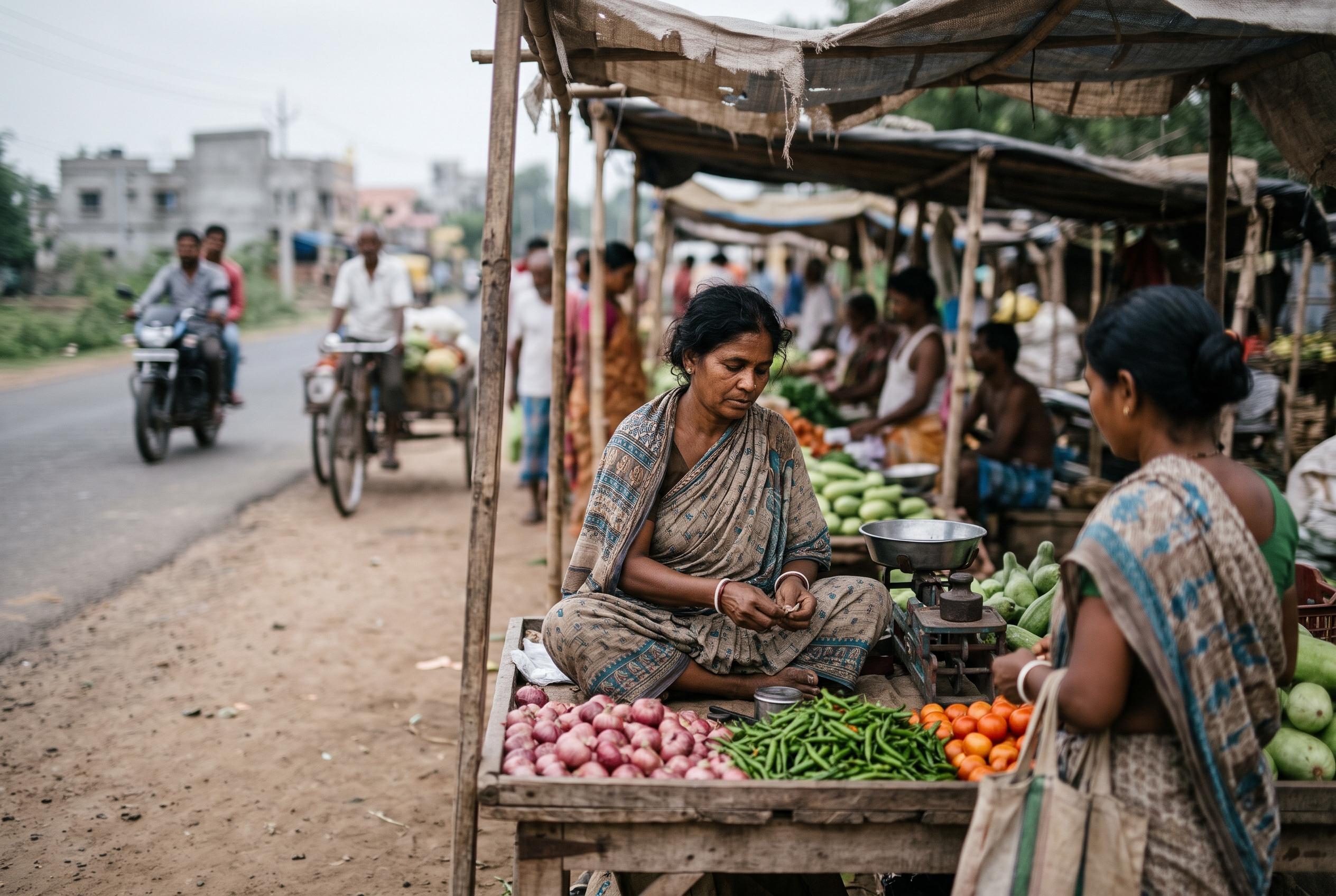

Narendra Modi hailed the reported decline as historic, while the World Bank also highlighted persistent regional disparities and uneven wage growth.
Prime Minister Narendra Modi has seized on fresh World Bank data showing a steep fall in India’s extreme poverty rate, presenting it as evidence that the country has moved through a period of rapid social and economic change. In a post on Instagram, Modi said the reduction in poverty was “historic” and argued that it reflected a much wider expansion in opportunity than his critics had long promised. He also used the moment to take aim at the Congress party’s old “Garibi Hatao” slogan, saying poverty reduction had been a governing commitment rather than a campaign line.
The figures behind the comments come from the World Bank’s India Poverty and Equity Brief, published in October 2026. According to the report, the share of Indians living on less than $3 a day, measured in 2021 purchasing power parity terms, fell from 27.1% in 2011 to 2.6% in 2023. On the bank’s broader lower-middle-income poverty line of $4.20 a day, the poverty rate dropped from 57.7% to 16.1%, implying that about 496 million people moved above that threshold over the period. The bank said the estimates cover 2011-12 to 2023-24 and compare rural and urban trends as well as monetary and non-monetary poverty indicators.
Modi highlighted the scale of the change by pointing to employment growth and a sharp decline in inequality. Citing the World Bank, he said 49.6 crore people, or 496 million, had moved out of poverty between 2011 and 2023. He also said employment had increased by 13.4 crore, or 134 million, in six years, outpacing the growth in India’s working-age population. The prime minister added that India’s Gini index, a common measure of income inequality, had fallen to 23.0, suggesting a much narrower spread in consumption than in earlier years.
The World Bank’s assessment, as reported by Indian and international outlets, places India among the countries with the fastest poverty declines globally. It also points to factors that have helped drive the improvement, including stronger consumption growth, more jobs, higher female participation in paid work and the use of social transfers such as food subsidies. Even so, the bank and later reporting note that challenges remain, including regional disparities, uneven wage growth and pockets of persistent deprivation, particularly in parts of the country where poverty remains concentrated.
Disclaimer: This article is intended to inform and educate, not to recommend or endorse any financial product, investment or strategy. Please consider your own financial circumstances and seek professional advice where appropriate before making financial decisions.