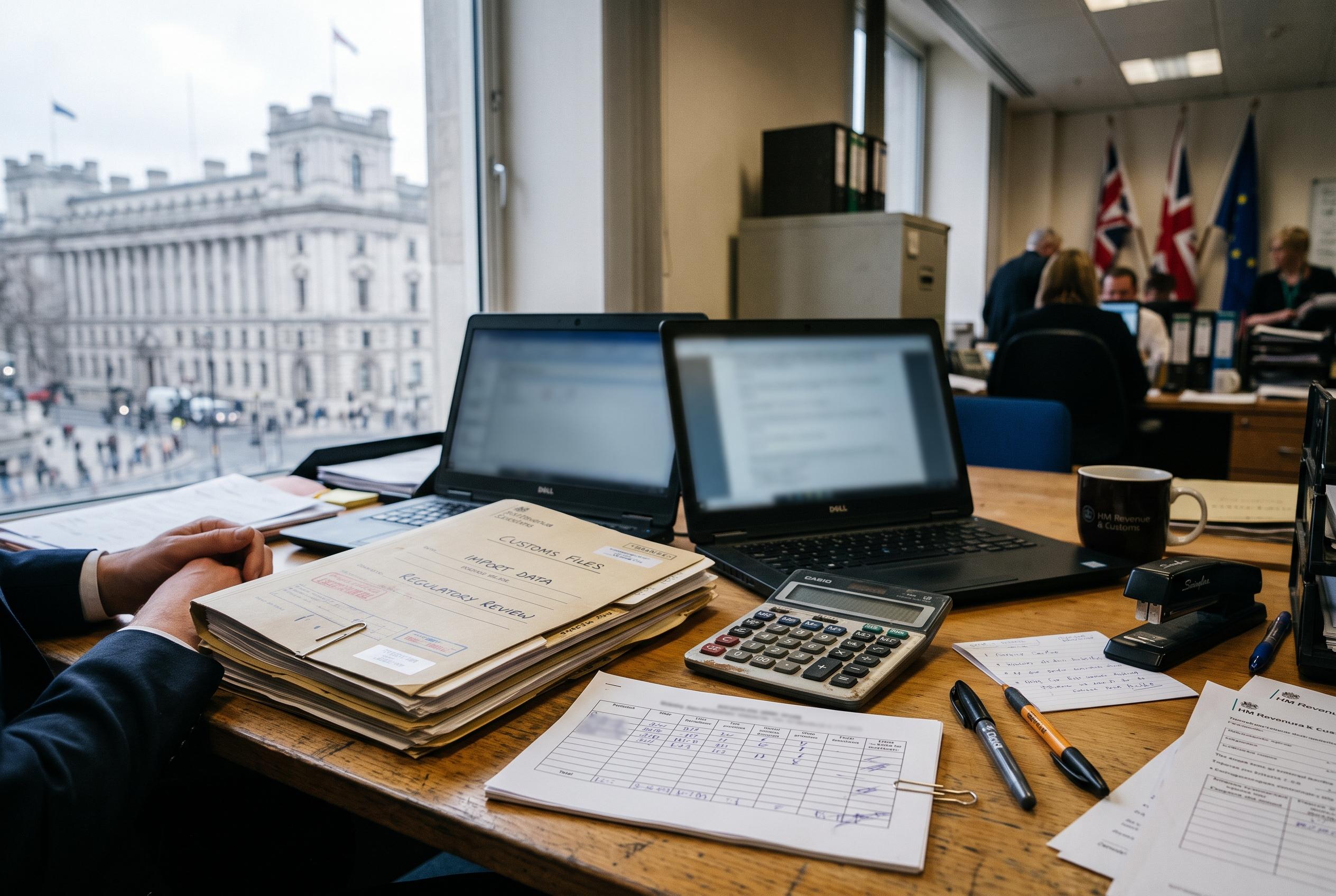

The US increases scrutiny on India, citing concerns over rerouted Chinese goods in a widening effort to curb tariff evasion and address global supply chain integrity amid escalating trade tensions.
The United States has stepped up pressure on countries it says are helping Chinese goods dodge tariffs, placing India in a top-risk category in a new White House report that casts a wide net over global trade hubs. The News18 report said the administration described the pattern as a “shadow trans-shipment network” and framed India as one of more than 40 economies where rerouted goods could move through with enough scale to warrant closer scrutiny.
Peter Navarro, a trade adviser to President Donald Trump, said the problem dates back to the tariffs Washington imposed on China in 2018. In comments cited in the report, Navarro accused Chinese exporters of using third countries for relabelling, repackaging, invoicing changes and other limited processing that can give goods the appearance of new origin without materially changing their Chinese content. India, Mexico and Vietnam were identified as the biggest destinations for such transhipped goods in 2025, with the three markets together accounting for an estimated $67 billion, according to the White House report.
The report also singled out India’s Pune-Gujarat-Chennai industrial corridor, saying it is linked to the movement of Chinese-origin pumps and compressors into wider supply chains. Moody’s Ratings has separately warned that new US tariffs aimed at rerouted goods could create major compliance problems for Indian firms, particularly in electronics, electrical equipment and semiconductors, where companies may have to prove substantial transformation of imported inputs to avoid penalties.
The broader trade dispute comes as Washington has already hardened its stance on India over other issues. U.S. Treasury Secretary Scott Bessent has accused New Delhi of profiteering from increased purchases of Russian oil during the war in Ukraine, saying Russian crude now makes up 42% of India’s oil imports, compared with less than 1% before the conflict. That criticism has fed into a wider tariff fight that has pushed duties on some Indian goods to 50%, according to the Economic Times.
At the same time, the U.S. Trade Representative has opened or expanded probes into labour and sourcing practices across dozens of economies, including India, under Section 301 of the Trade Act of 1974. Business Standard reported that Washington is examining whether countries are failing to stop imports tied to forced labour, a move that could lead to further restrictions if the administration decides the practices burden US commerce. The White House is also planning an AI-based system, called “Detective Border”, to flag suspicious shipments by analysing routing patterns, ownership links and manufacturing capacity before goods clear into the American market.
Disclaimer: This article is intended to inform and educate, not to recommend or endorse any financial product, investment or strategy. Please consider your own financial circumstances and seek professional advice where appropriate before making financial decisions.