

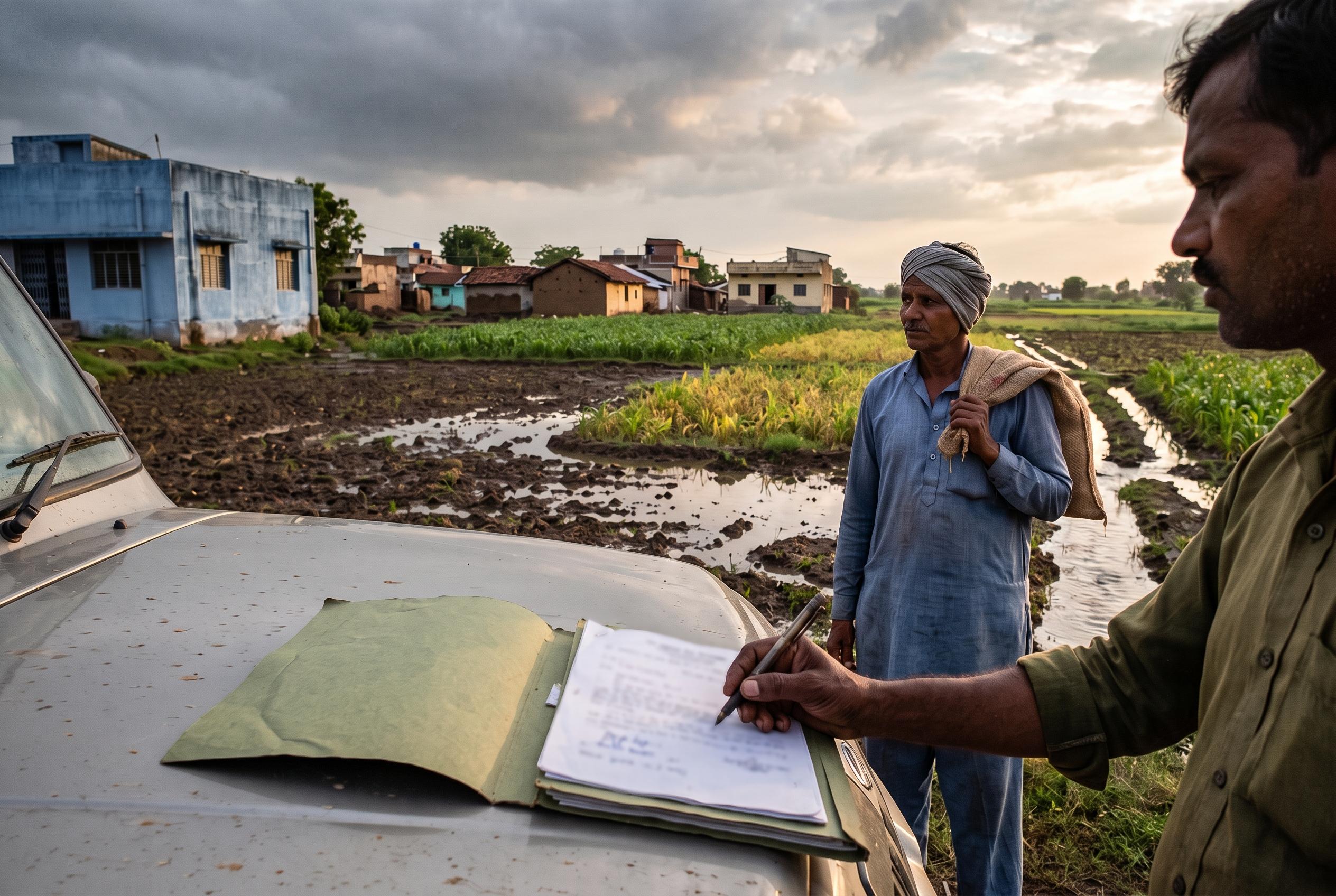

S&P Global forecasts continued credit growth in India but warns that patchy monsoon rains could dampen rural incomes, potentially impacting lenders focused on rural segments as the economy eyes a resilient but uncertain future.
S&P Global expects India’s financial sector lending to expand by 12% to 14% this fiscal year, even as it warns that patchy monsoon rains could weaken rural incomes and slow borrowing in the countryside. The rating agency also sees India’s economy growing by 7% in FY27 and anticipates a modest tightening in monetary policy, pointing to an economy that remains resilient but is not free of stress.
Nikita Anand, director of financial institutions ratings, said pockets of strain are likely to emerge in unsecured lending, especially among self-employed borrowers and micro and small enterprises. She warned that pressure in those parts of the market could spill into commercial vehicle finance and affordable housing. According to S&P’s assessment, weaker rainfall would also hit microfinance and non-bank lenders with heavy rural exposure, raising credit costs and squeezing profitability. The risk matters because roughly a quarter of bank lending in India is linked to rural segments, making weather swings an important factor for lenders.
S&P’s broader economic view is also cautious. The agency has said India’s growth should stay firm, but that energy costs, softer global demand and an uneven monsoon could slow momentum. In a separate outlook, it put FY27 gross domestic product growth at 6.6%, while other recent assessments have pointed to 7% growth for the year, underlining how closely the outlook depends on inflation, rainfall and interest rates. S&P has also warned that consumer inflation could average about 5.1% in FY27 if food prices rise on the back of a weak monsoon.
For lenders, the message is that credit demand may remain healthy overall, but it will not be evenly distributed. Public investment is still providing support, private capital spending has improved in areas such as data centres and semiconductors, and domestic demand has held up despite global uncertainty. Even so, S&P’s warning suggests banks and non-bank finance companies will need to watch rural portfolios closely in the months ahead, particularly if rainfall stays below normal and farm incomes come under pressure.
Disclaimer: This article is intended to inform and educate, not to recommend or endorse any financial product, investment or strategy. Please consider your own financial circumstances and seek professional advice where appropriate before making financial decisions.



