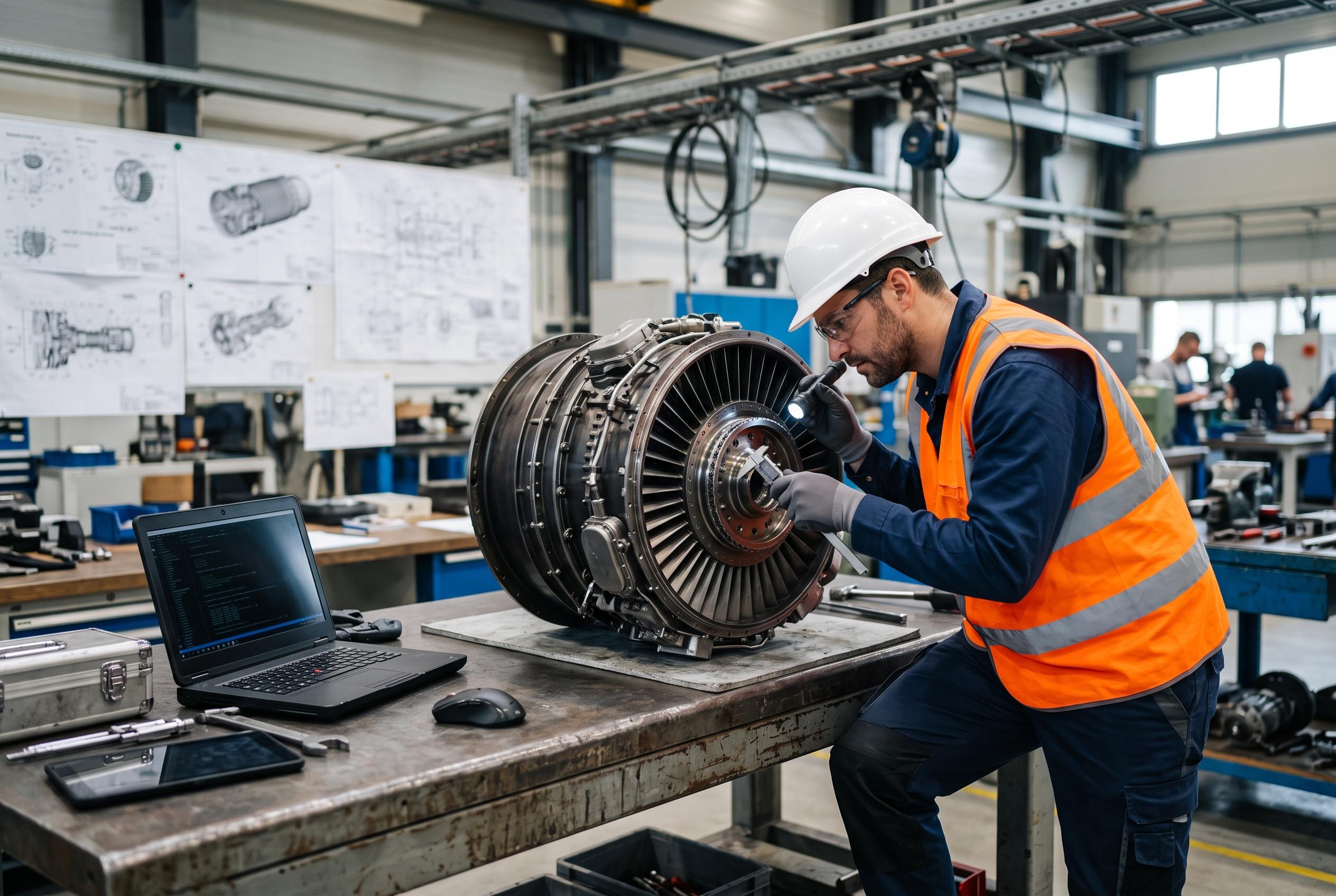

Reliance Industries and Rolls-Royce are collaborating on an indigenous combat engine to enhance India’s military aerospace self-reliance, focusing on the advanced medium combat aircraft programme and the country’s push for local defence manufacturing.
Reliance Industries and Rolls-Royce have agreed to work together on an indigenous combat engine for India’s Advanced Medium Combat Aircraft programme, in a move that both companies say is aimed at strengthening the country’s defence self-reliance and building a domestic aero-engine ecosystem. According to the companies, the proposed effort would combine Rolls-Royce’s propulsion expertise with Reliance’s manufacturing scale, execution capability and technology base, with work ranging from design and development to testing, production and long-term support.
The focus is the AMCA, India’s planned fifth-generation stealth fighter, which has been designed by the Aeronautical Development Agency under the Defence Research and Development Organisation. The aircraft is intended to serve as a future backbone for the Indian Air Force and Indian Navy, and the engine has long been regarded as one of the programme’s most demanding elements. The lead platform is expected to use imported engines initially, while a more powerful indigenous powerplant is meant to follow later in the programme.
The timing of the announcement builds on a series of earlier moves by Rolls-Royce to expand its presence in India. In February, the company outlined a wider India strategy that included a pledge to deepen local sourcing and develop a next-generation fighter engine with Indian partners. By mid-year, industry reports said Rolls-Royce had offered to co-develop an AMCA-class engine in India with full intellectual property rights, underscoring how central technology transfer has become to the discussion. The latest partnership with Reliance appears to push that approach further by tying a major industrial group to the project.
The broader strategic backdrop is India’s push to reduce dependence on foreign suppliers in critical defence technologies. Roll-out of the AMCA remains years away, but the engine question has already become a test of whether India can build a sovereign capability in advanced propulsion. Reliance’s role also reflects its long-standing interest in defence manufacturing, after earlier ventures such as its aerospace joint venture with Dassault Aviation. For Rolls-Royce, the deal offers a deeper foothold in one of the world’s fastest-growing military aviation markets, where localisation, technology ownership and industrial capacity are increasingly shaping procurement decisions.
Disclaimer: This article is intended to inform and educate, not to recommend or endorse any financial product, investment or strategy. Please consider your own financial circumstances and seek professional advice where appropriate before making financial decisions.