

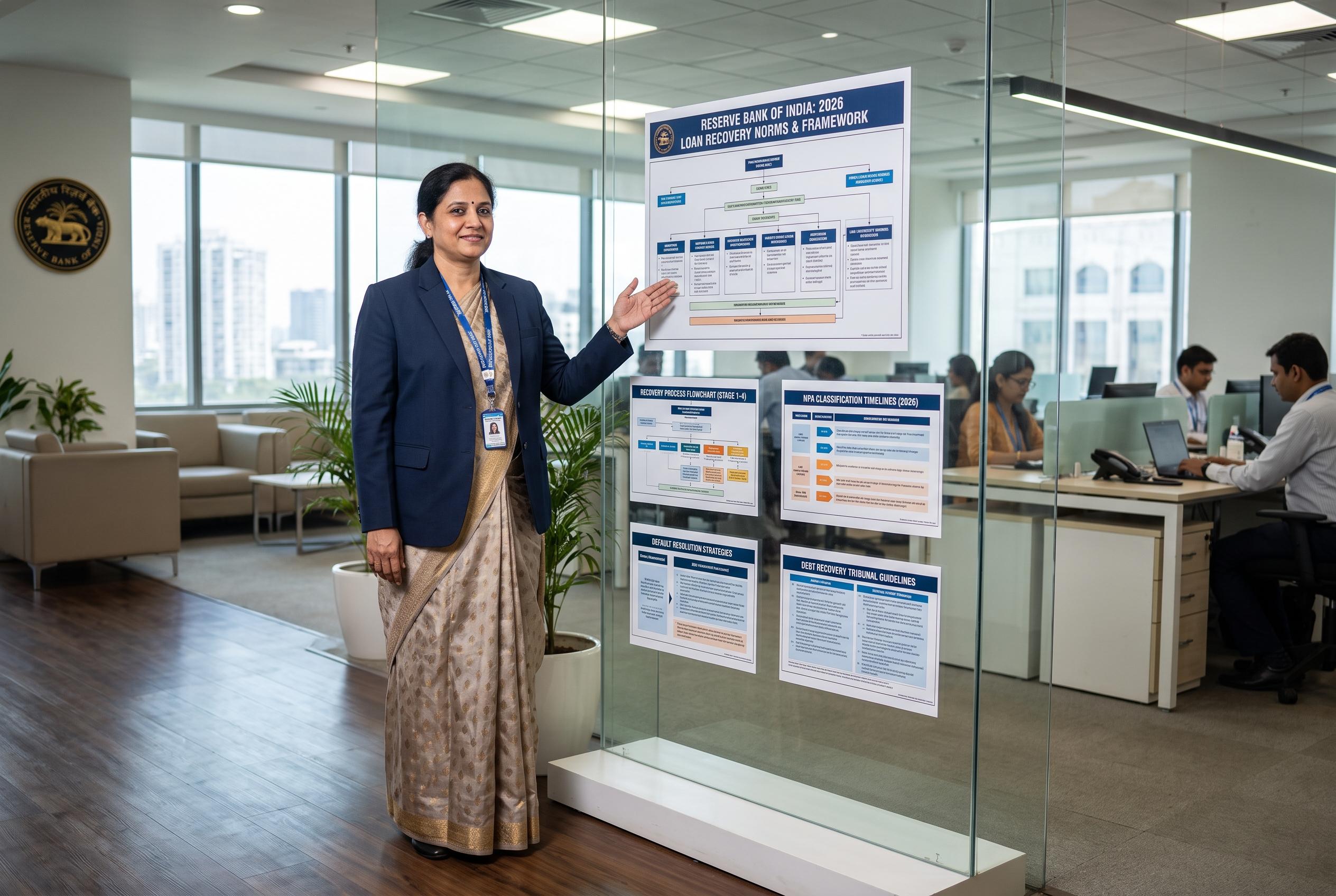

The Reserve Bank of India has introduced comprehensive measures to regulate recovery processes, safeguard borrowers from harassment, and ensure transparency by 2026, signalling a significant shift in debt collection standards.
The Reserve Bank of India has moved to curb aggressive loan recovery practices with a tighter framework that places clearer limits on banks and their agents while giving borrowers more protection against harassment. According to Business Today, the new rules require lenders to adopt a formal recovery policy covering when collection action can begin, how cases should be escalated, how borrowers in financial distress should be handled and what compensation may be due if recovery practices break the rules.
Banks will also face more scrutiny over the agencies they use. LiveMint reported that lenders must carry out due diligence before appointing recovery firms, keep checking agents’ backgrounds and make sure only people certified by the Indian Institute of Banking and Finance or another approved body take part in recovery work. Banks will have to post an updated list of empanelled recovery agencies on their websites and tell borrowers at least one day before the first in-person visit from an agent. The rules are due to take effect on October 1, 2026.
The RBI has also drawn a clearer line around conduct. Recovery agents will have to show identity cards and authorisation letters, visit borrowers only between 8 a.m. and 7 p.m. unless asked otherwise and avoid contacting people during bereavement, medical emergencies or other sensitive situations. The guidelines ban abusive language, threats, repeated calls, public humiliation, social media disclosures and intimidation of borrowers or their relatives and colleagues. Banks are being told to make sure incentive structures do not encourage harsh collection methods.
Technology-based recovery has been given similar guardrails. Banks cannot remotely disable a mobile phone unless the device itself was financed under the loan, and even then restrictions can start only after the account is 30 days overdue, with full blocking allowed only after 60 days. Essential features such as incoming calls, SMS, emergency SOS functions and tools needed for work must stay active. If a bank wrongly restricts access or is slow to restore it after repayment, it must pay ₹250 an hour, up to the loan amount. Banks must also set up dedicated grievance channels and include the contact details of complaint officers in recovery notices.
Disclaimer: This article is intended to inform and educate, not to recommend or endorse any financial product, investment or strategy. Please consider your own financial circumstances and seek professional advice where appropriate before making financial decisions.



