
Following a volatile month driven by geopolitical tensions, economists predict only a temporary easing in inflation, with energy shocks continuing to influence economic stability amid the war with Iran.
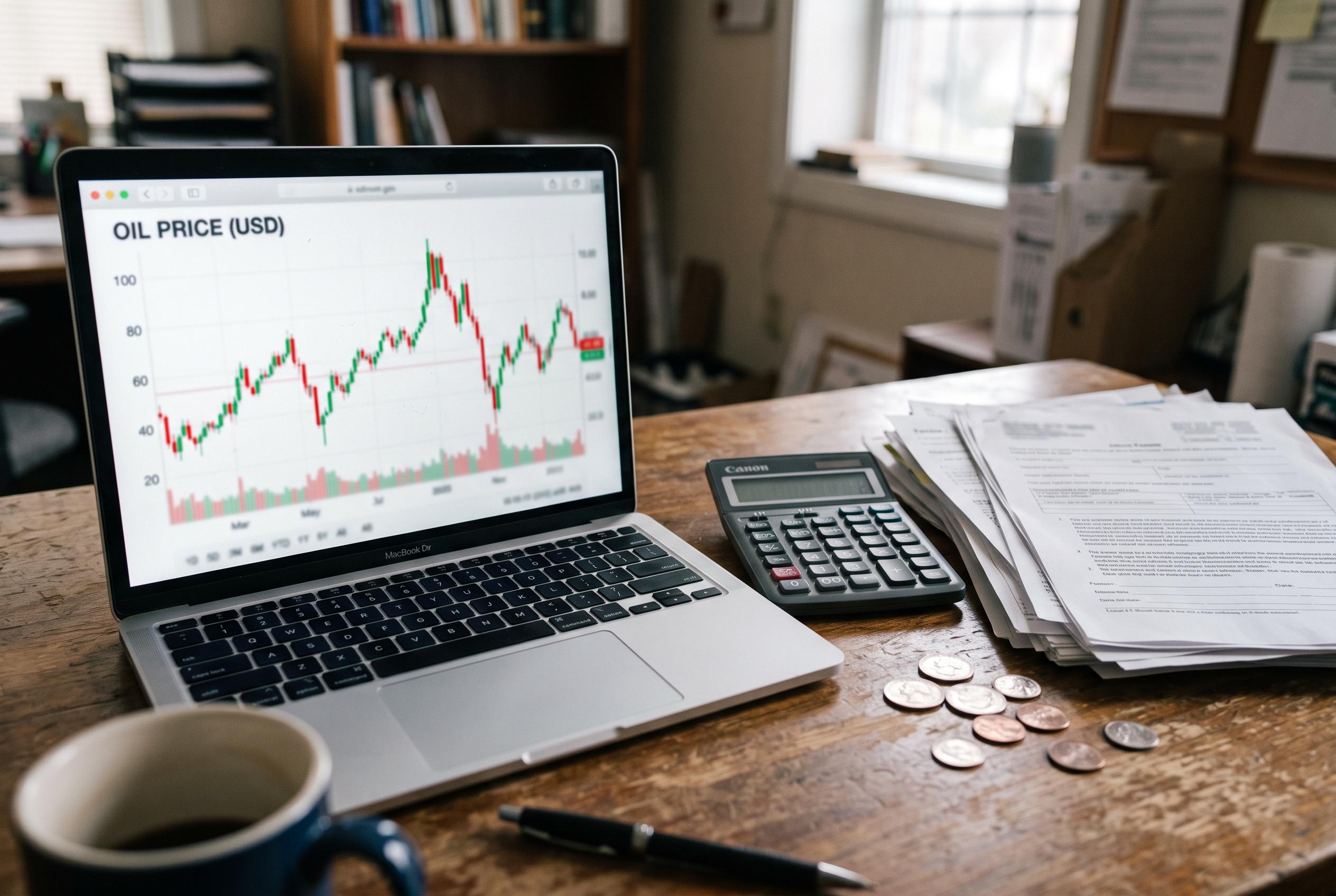
Oil markets’ sharp swings after the war with Iran are still expected to shape the latest US inflation reading, though economists think the effect in July will be modest. The consumer price report due on Wednesday morning follows a month in which crude briefly topped $100 a barrel before sliding into the low $80s and then edging higher again towards month-end, a pattern that has made energy a volatile but still important input for inflation.
Because oil averaged less in July than in June, analysts expect gasoline prices to pull the overall inflation figure down a touch. That would follow a familiar pattern seen earlier this year, when higher energy costs helped lift inflation in May and falling prices eased it in June. Chris Hyzy, chief investment officer for Merrill and Bank of America Private Bank, told The New York Times that prices “didn’t stay at those levels long enough for it to kind of seep into successive months after months after months”.
The scale of the earlier shock was far larger. The Energy Information Administration said Brent crude surged from about $61 a barrel at the start of 2026 to $118 by the end of the first quarter after military action in the Middle East and the de facto closure of the Strait of Hormuz. That was the biggest inflation-adjusted jump in oil prices since 1988, and it fed through to gasoline, jet fuel and diesel, with distillate prices rising especially fast.
Economists and central bank researchers have warned that the damage from such energy shocks can linger. A Dallas Fed working paper on the Iran war says oil-price increases can affect headline inflation, core inflation and household expectations through different channels and over several months. The San Francisco Fed has also said volatile oil markets can keep inflation above the Federal Reserve’s 2% goal in the near term, while also raising risks to growth if disruptions last. That means July’s reading may offer only a brief pause in a broader inflation story still being written by geopolitics and energy supply.
Disclaimer: This article is intended to inform and educate, not to recommend or endorse any financial product, investment or strategy. Please consider your own financial circumstances and seek professional advice where appropriate before making financial decisions.