

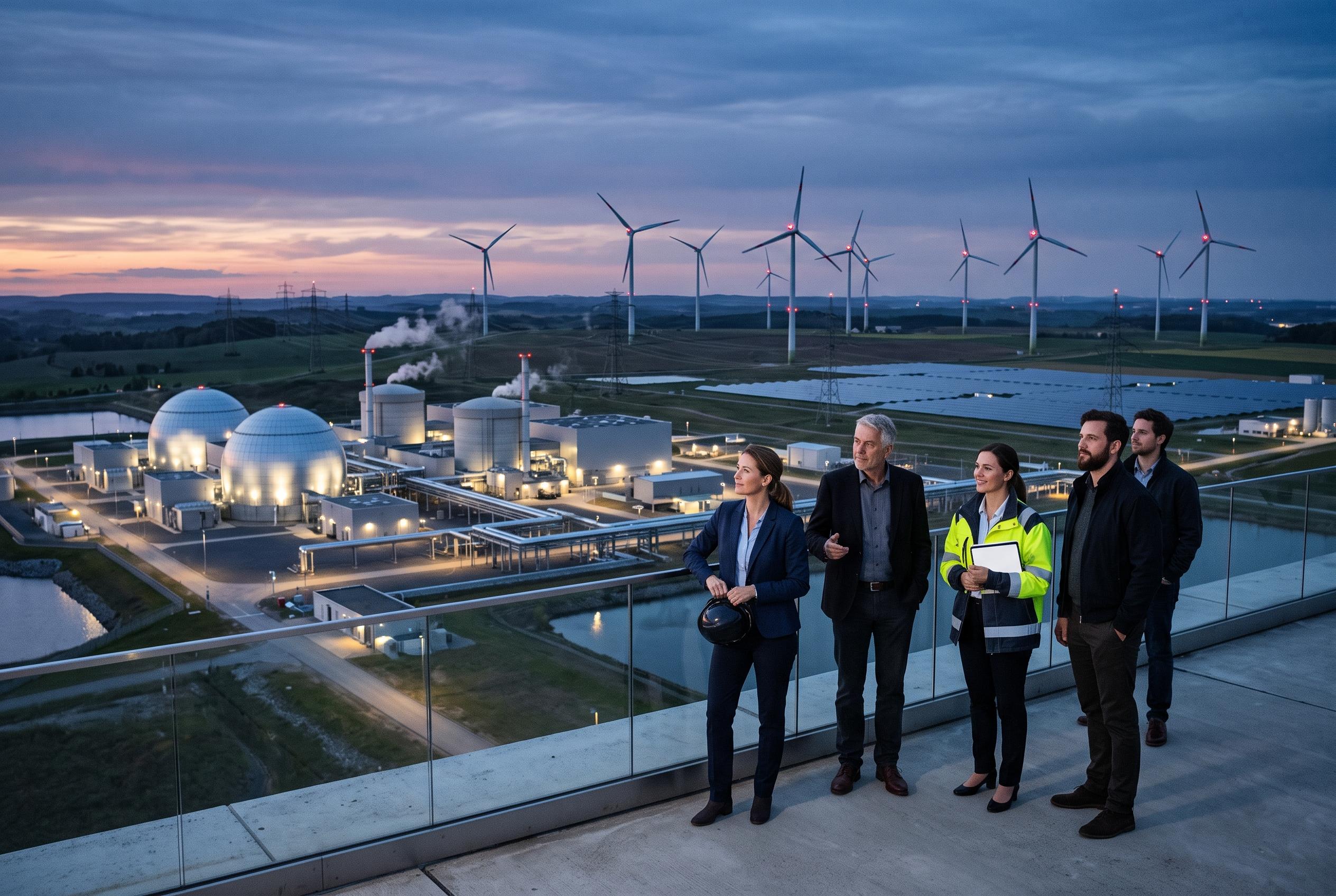

India’s state-owned utility NTPC is accelerating its long-term expansion to reach 244 gigawatts by 2037, integrating renewables, nuclear, and advanced storage amid a robust financial outlook and a Rs 16.86 lakh crore investment plan.
NTPC is accelerating a long-term expansion that would lift its operational power generation capacity to 244 gigawatts by 2037, as the state-owned utility prepares for a sustained rise in electricity demand across India. Speaking at the company’s 50th annual general meeting, chairman and managing director Gurdeep Singh said the next decade would be one of the most important in NTPC’s history. The plan envisages capital spending of Rs 16.86 lakh crore, or about $200 billion, through FY37.
The strategy would take NTPC from about 91 GW of installed capacity today to 149 GW by 2032, including 60 GW from renewable energy, before rising further to the 2037 target. According to reports in The Economic Times and other Indian business publications, the investment programme will span thermal power, hydropower, pumped storage, renewables, battery storage, coal mining and nuclear energy, reflecting a wider push to build out the full electricity value chain.
Nuclear power is becoming a larger part of the utility’s outlook. NTPC is seeking a 30% share of India’s proposed 100 GW nuclear capacity goal by 2047, according to the company’s remarks at the AGM. It is already working with Nuclear Power Corporation of India through a joint venture on a 2.8 GW project in Rajasthan, and is evaluating 34 potential sites across 13 states for independent nuclear plants. The company is also advancing a 5.75 lakh tonnes-a-year coal gasification project, intended to produce synthetic natural gas and cut reliance on imported gas.
The expansion push comes after a strong financial year. NTPC reported consolidated profit after tax of Rs 27,546 crore in FY26, up 15% from a year earlier, while group EBITDA reached Rs 60,564 crore. That gives the company a stronger balance sheet for the scale of investment now under discussion, even as it faces the challenge of balancing conventional generation with cleaner sources and storage technologies.
Disclaimer: This article is intended to inform and educate, not to recommend or endorse any financial product, investment or strategy. Please consider your own financial circumstances and seek professional advice where appropriate before making financial decisions.



