

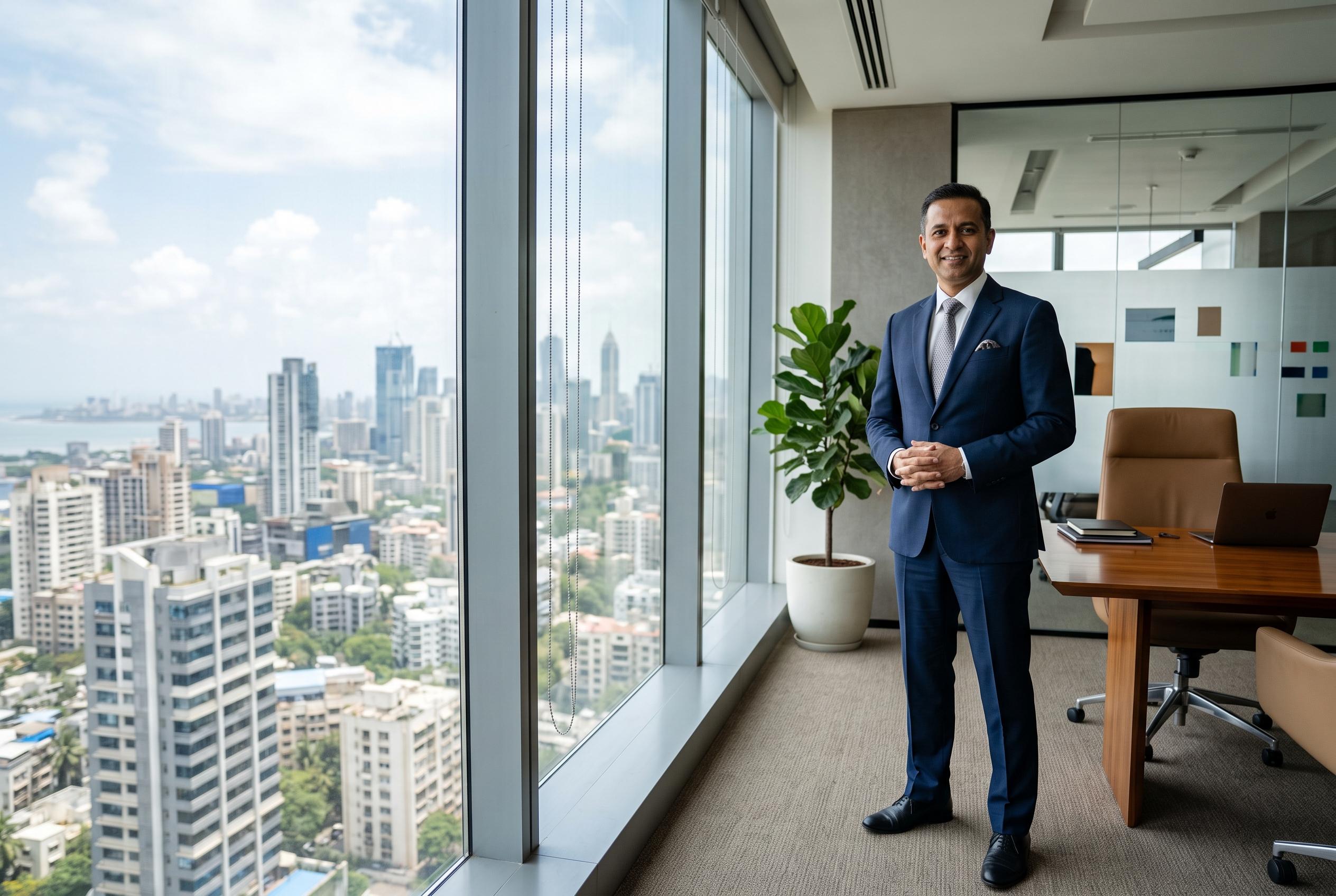

Natarajan Chandrasekaran, known for his stability and institutional memory, is steering Tata Group into new strategic territories including air travel, semiconductors, and batteries, signalling a transformative phase under his steady leadership.
Natarajan Chandrasekaran’s rise to the top of the Tata Group has long been framed as a story of continuity, discipline and quiet authority. Born on June 2, 1963, in Mohanur, Tamil Nadu, to a farming family, he was the youngest of 6 children and walked 3 km a day with his siblings to a Tamil-medium government school before moving on to higher education. According to Business Today, he went on to earn a degree in applied sciences from Coimbatore Institute of Technology and an MCA from the National Institute of Technology, Tiruchirappalli, before joining Tata Consultancy Services as an intern in 1987.
His appointment in February 2017 marked a turning point for the group. As Business Standard noted at the time, Chandrasekaran became the first non-Parsi professional to lead Tata Sons, a choice that signalled stability after the bitter fall-out between Cyrus Mistry and Ratan Tata. His entire career had been built inside the Tata system, and that long institutional memory made him a natural fit for a group seeking steady hands rather than drama.
Chandrasekaran’s time at the helm has been defined by high-stakes consolidation and industrial ambition. The most symbolic move came in 2022, when Air India returned to the Tata fold after 69 years of state ownership. Tata Sons secured the airline in a ₹18,000 crore deal and assumed ₹15,300 crore of debt, a transaction that restored one of the group’s most famous brands to its original home. He also oversaw the complicated integration of Air India, Vistara and AirAsia India, while helping to shape Tata Consumer Products through the merger of Tata Tea and Tata Chemicals.
The broader group has also moved aggressively under his leadership into newer strategic areas, including semiconductors and battery cell manufacturing. Through the turbulence surrounding Tata Sons’ legal battle with Mistry, Chandrasekaran remained closely identified with the group’s internal continuity. In March 2021, the Supreme Court backed Tata Sons and rejected the claims that had sought Chandrasekaran’s removal, reinforcing his position as the executive entrusted with carrying the conglomerate through a period of renewal. His elevation was not just a personnel change, but a statement about the kind of leader Tata wanted after its most bruising boardroom conflict in years.
Disclaimer: This article is intended to inform and educate, not to recommend or endorse any financial product, investment or strategy. Please consider your own financial circumstances and seek professional advice where appropriate before making financial decisions.



