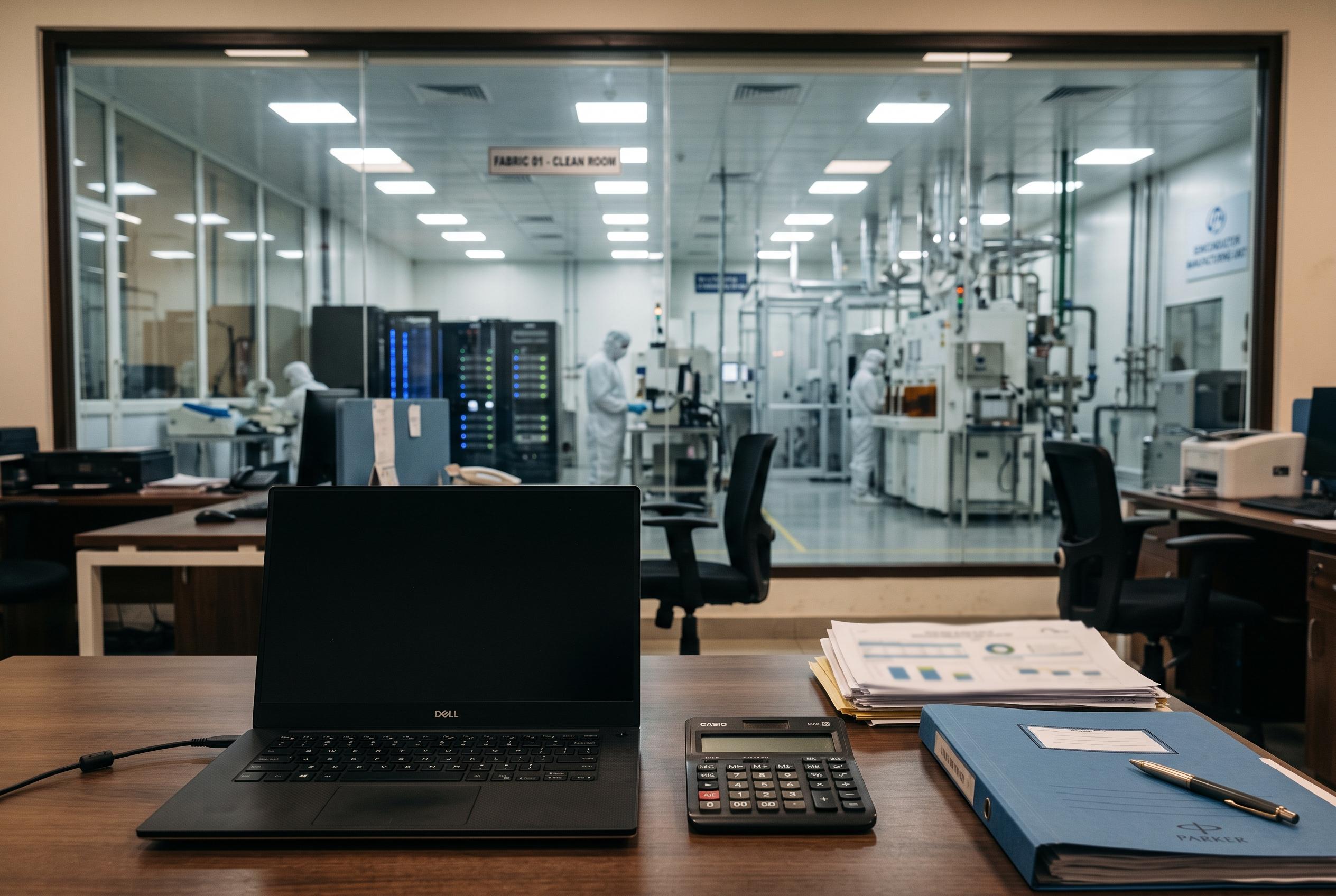

Prime Minister Narendra Modi announces a strategic overhaul combining semiconductor manufacturing, nuclear power development, and free education initiatives to bolster India’s quest for rapid economic growth and improved job prospects amid mounting social pressures.
Narendra Modi has set out a fresh push for India’s economy, linking industrial expansion, energy security and youth employment in a bid to sustain the country’s growth momentum. According to reporting in De Telegraaf, the Indian prime minister said the country plans to add eight more chip factories over the next seven to eight years and build five new nuclear reactors to strengthen its power supply. The remarks come as India seeks to lift incomes and create more high-quality jobs ahead of its ambition to become a high-income nation by 2047.
The semiconductor drive builds on the India Semiconductor Mission, which the government approved in December 2021 with a budget of ₹76,000 crore, or about $9bn, to develop a domestic chip industry. Business Standard reported that by 2024, 10 projects had been cleared under the programme, including one fabrication plant, one compound semiconductor unit and eight assembly and testing facilities. Modi has pointed to the speed of progress, saying the first project was approved within 18 months of the mission’s launch, while officials are now preparing a second phase to deepen India’s role in the global chip market.
Modi also sought to answer mounting frustration among young people over weak job prospects, which has helped fuel protests after a scandal involving leaked exam papers. De Telegraaf said the prime minister announced free online preparatory courses and exam training for millions of students, presenting the move as support for a generation with strong potential but too few openings. Separate reporting in India showed the government has already begun expanding free coaching for competitive exams through partnerships with education organisations, while the AICTE has also rolled out no-cost e-learning courses for students and job seekers.
The broader political challenge is clear: India’s leaders want growth, but they also need to make that growth visible in everyday life. As the country targets higher productivity and a shift towards more advanced manufacturing, the promises on chips, power and skills are part of a single message , that India’s next stage of development must deliver both investment and employment.
Disclaimer: This article is intended to inform and educate, not to recommend or endorse any financial product, investment or strategy. Please consider your own financial circumstances and seek professional advice where appropriate before making financial decisions.