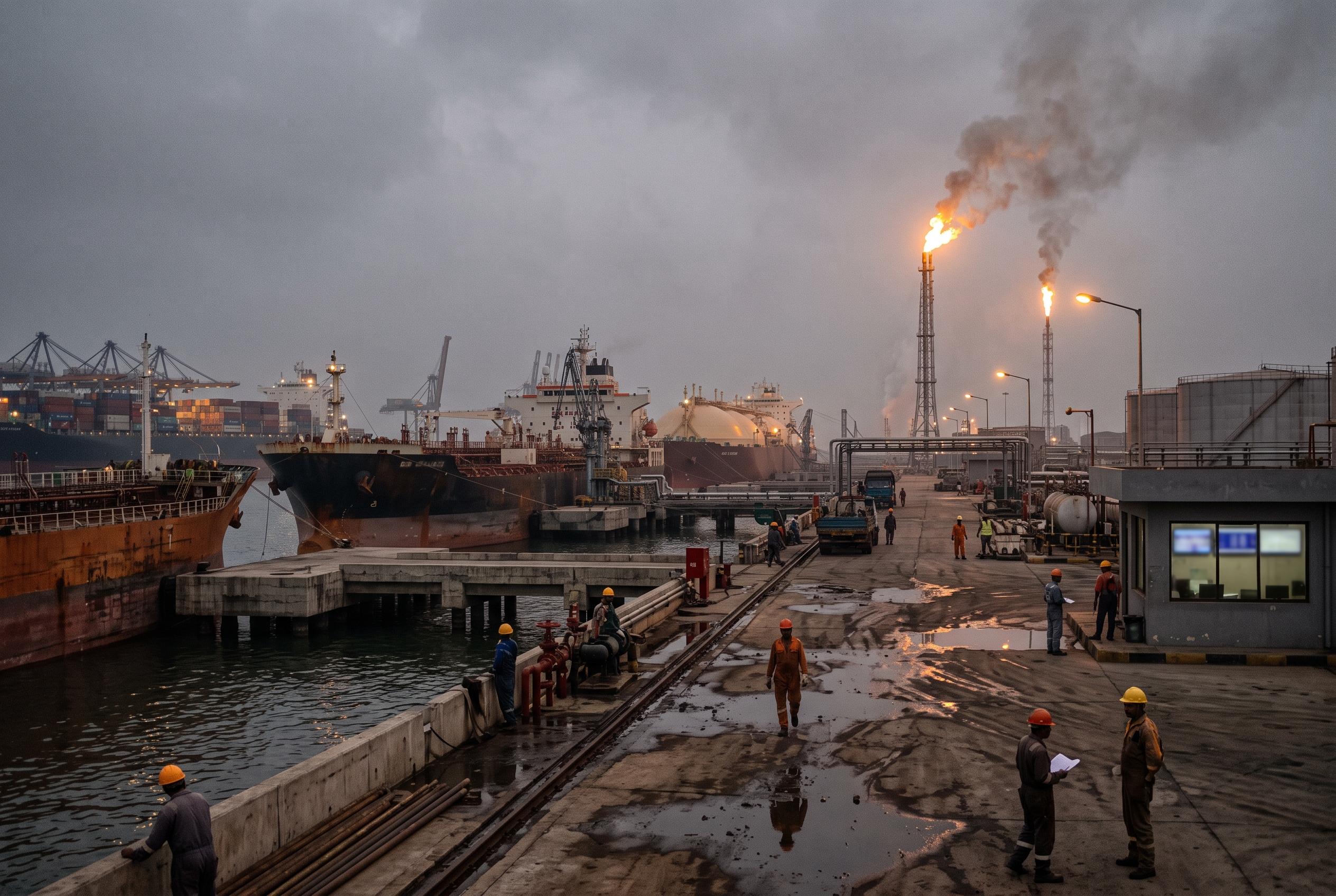

The ongoing conflict in the Middle East is intensifying energy shortages across South Asia, highlighting the region’s reliance on Gulf oil and gas supplies amidst disrupted shipping lanes and rising costs, prompting calls for diversification and regional cooperation.
The war in the Middle East is squeezing South Asia through the cost of energy, exposing how tightly the region is bound to Gulf supplies. In India, Pakistan, Bangladesh and Nepal, nearly two billion people are feeling the strain as disrupted shipping lanes and higher fuel costs feed into inflation and household budgets, according to Al Jazeera. The conflict has underlined that, for much of South Asia, an upheaval far from home can still shape daily life almost immediately.
India is the region’s largest economy and the third-biggest importer of crude oil in the world, buying about 85% of the oil it consumes. Before the war widened, suppliers in the Gulf, including Iraq, Saudi Arabia, the United Arab Emirates and Kuwait, were central to India’s energy mix, while Qatar was a key source of liquefied natural gas, or LNG. India has more room to diversify than its neighbours, with some supply also coming from Russia, Africa and the Americas, but it remains exposed to turbulence in the Gulf, according to the reporting cited by Al Jazeera.
Pakistan is even more vulnerable. It relies heavily on imported crude, refined fuels and LNG, with Saudi Arabia, the UAE and Kuwait long supplying oil and Qatar serving as a major long-term LNG provider. Bangladesh produces gas at home but has become more dependent on LNG imports as local output has struggled to keep pace with demand. The Diplomat said in March that LNG contracts across South Asia were designed for a different kind of market stress and are now being tested by disruption around the Strait of Hormuz.
Beyond fuel, the fallout is spreading into fertiliser and remittance-linked economies as well. South Asian Voices said the Gulf accounts for roughly a third of globally traded urea, adding pressure to farm inputs and food costs. A separate analysis from NIICE said the Strait of Hormuz carries about a quarter of the world’s oil and more than 90% of South Asia’s daily fuel supplies, making the region especially sensitive to any blockages or price spikes. For governments across South Asia, the war has reinforced an old lesson: without broader energy diversification and stronger regional trade, a crisis in the Gulf will keep travelling straight to South Asian consumers.
Disclaimer: This article is intended to inform and educate, not to recommend or endorse any financial product, investment or strategy. Please consider your own financial circumstances and seek professional advice where appropriate before making financial decisions.