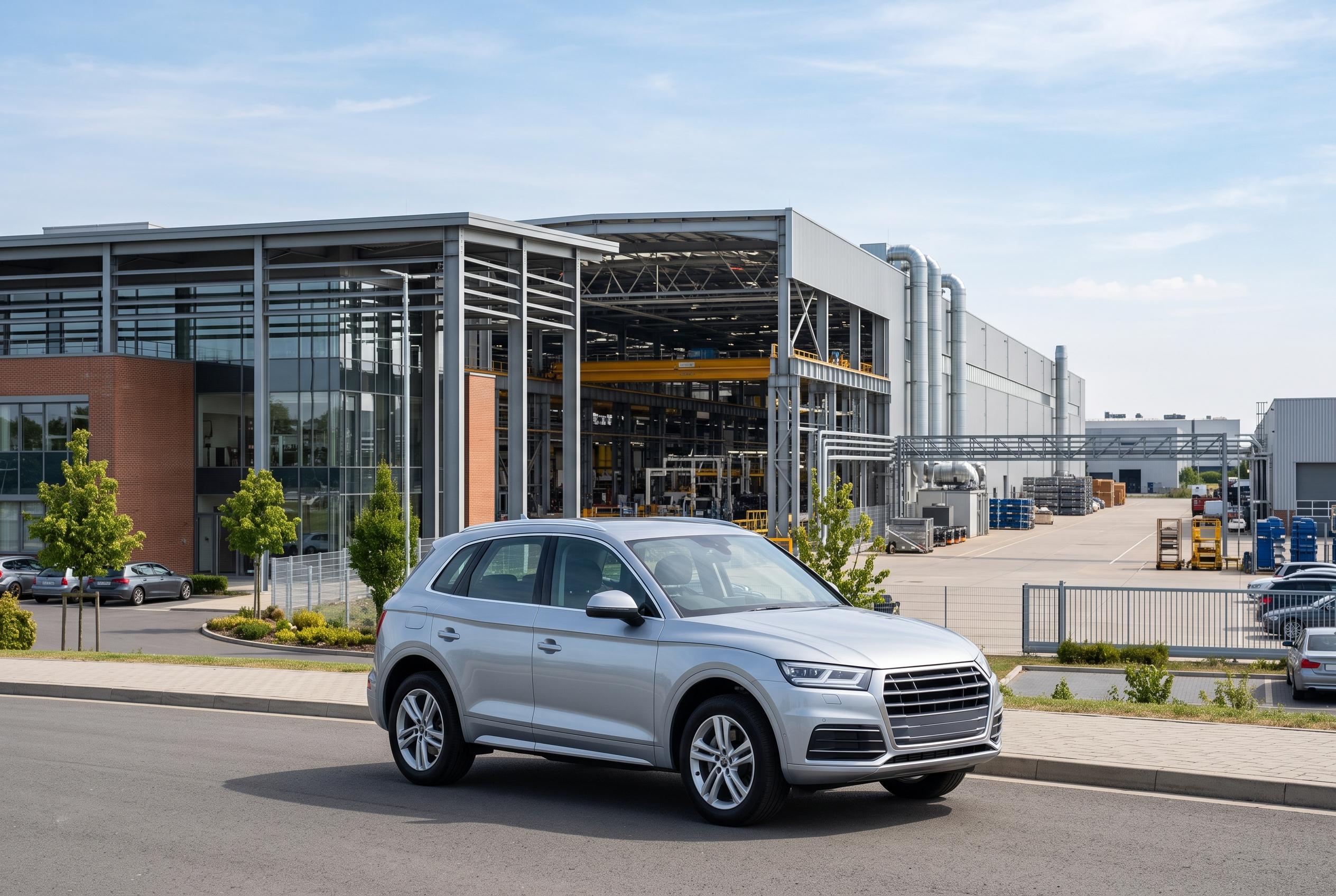

Maruti Suzuki India is set to introduce seven new SUVs over the next five to six years while expanding manufacturing capacity, aiming to solidify its dominance in India’s rapidly growing SUV market and explore cleaner mobility solutions.
Maruti Suzuki India is preparing a broad push into sport utility vehicles, with plans to roll out seven new SUVs over the next five to six years as it seeks to deepen its lead in the country’s fastest-growing passenger vehicle category. According to the company’s annual integrated report, chief executive Hisashi Takeuchi said Maruti has sped up its factory expansion plans because it sees solid medium-term demand and expects customer preferences to keep shifting.
The timing is significant. Industry data cited by Moneycontrol shows SUVs now account for nearly 55% of domestic passenger vehicle volumes in India, up sharply from 26.5% in 2019, while Maruti’s own share of the SUV market has risen in recent years. The company has already broadened its SUV line-up with models including the e Vitara, Victoris, Jimny, Fronx, Grand Vitara and Brezza, and the new launches are intended to build on that momentum.
Maruti is also enlarging its manufacturing base. Business Standard reported in May that the automaker began commercial production at the second plant of its Kharkhoda complex in Haryana, adding 250,000 units of annual capacity and taking the site to 500,000 units. Maruti has said it plans to add 500,000 units of capacity during FY2026-27, a move designed to support both domestic demand and exports.
Chairman R C Bhargava said the company believes India’s car market could grow to 6.1 million to 6.3 million units by FY2030-31. He also said the small-car segment may recover faster than it has over the past five years, a notable point for Maruti, which built its brand on compact vehicles even as larger cars have gained ground.
Alongside product and plant expansion, Maruti is investing in cleaner mobility. The board has approved four biogas plants in an initial phase at a cost of Rs 561 crore, part of a broader strategy that also includes multi-powertrain development, exports and technology work. Bhargava said the company sees biogas as a possible substitute for imported compressed natural gas and hinted at larger future investment if the first projects prove successful.
Disclaimer: This article is intended to inform and educate, not to recommend or endorse any financial product, investment or strategy. Please consider your own financial circumstances and seek professional advice where appropriate before making financial decisions.