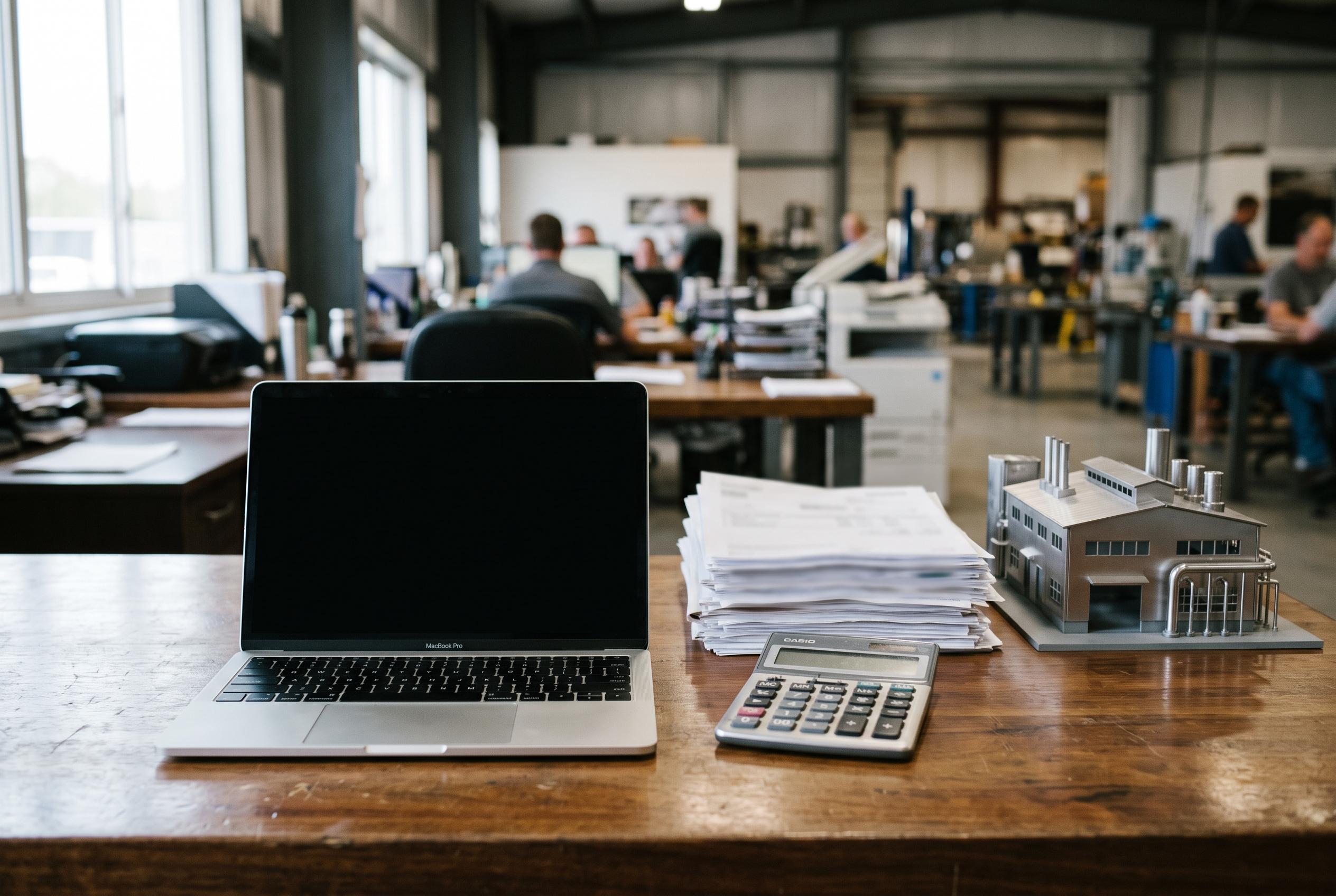

Jindal Stainless is investing Rs 900 crore to increase its cold-rolling capacity by 600,000 tonnes, supporting growth in automotive, appliances, and food processing sectors, as part of a larger Rs 5,400 crore strategy to become one of the world’s leading stainless steel producers.
Jindal Stainless is committing Rs 900 crore to expand its cold-rolling capacity as it targets demand from automotive, appliance and food-processing customers, according to managing director Abhyuday Jindal. The investment is part of a wider effort to deepen the company’s downstream presence and shift further into higher-value stainless steel products.
In the company’s annual report for FY26, Jindal said the project will lift cold-rolling capacity from 2.05 million tonnes a year to 2.67 million tonnes by FY28. He said the spending covers facilities at Hisar and Kharagpur, as well as new hot rolled annealing, pickling and cold-rolling lines at Jajpur, all intended to support more specialised grades for industrial users.
The company is also pursuing a much larger growth programme. In a separate announcement, Jindal Stainless said it plans strategic investments of about Rs 5,400 crore to raise total capacity to 4.2 million tonnes a year, including a joint venture in Indonesia, additional downstream expansion in Odisha and the acquisition of a majority stake in Chromeni Steels in Gujarat. Its annual report says current operating capacity is 3 million tonnes a year, with the broader plan aimed at making the group one of the world’s largest stainless steel producers.
That expansion comes alongside a push into more advanced manufacturing and new applications. The company has highlighted the use of digital systems, IoT platforms and AI-based analytics in its operations, while also pointing to demand in areas such as green hydrogen, defence, aerospace and marine use. It has also launched a fabrication unit in Mumbai to make components for infrastructure projects, including bridge girders.
Jindal said the proposed Maharashtra plant would improve logistics, cut import dependence and serve strategic sectors. He also pointed to the company’s sustainability progress, saying renewable power made up nearly 47% of electricity use across its Hisar and Jajpur sites in FY26, while recycled scrap accounted for roughly 70% of input in its electric arc furnace process. Financially, the company reported consolidated revenue of Rs 42,955 crore, EBITDA of Rs 5,560 crore and profit after tax of Rs 3,185 crore for FY26, with finished goods sales hitting a record 2.57 million tonnes.
Disclaimer: This article is intended to inform and educate, not to recommend or endorse any financial product, investment or strategy. Please consider your own financial circumstances and seek professional advice where appropriate before making financial decisions.