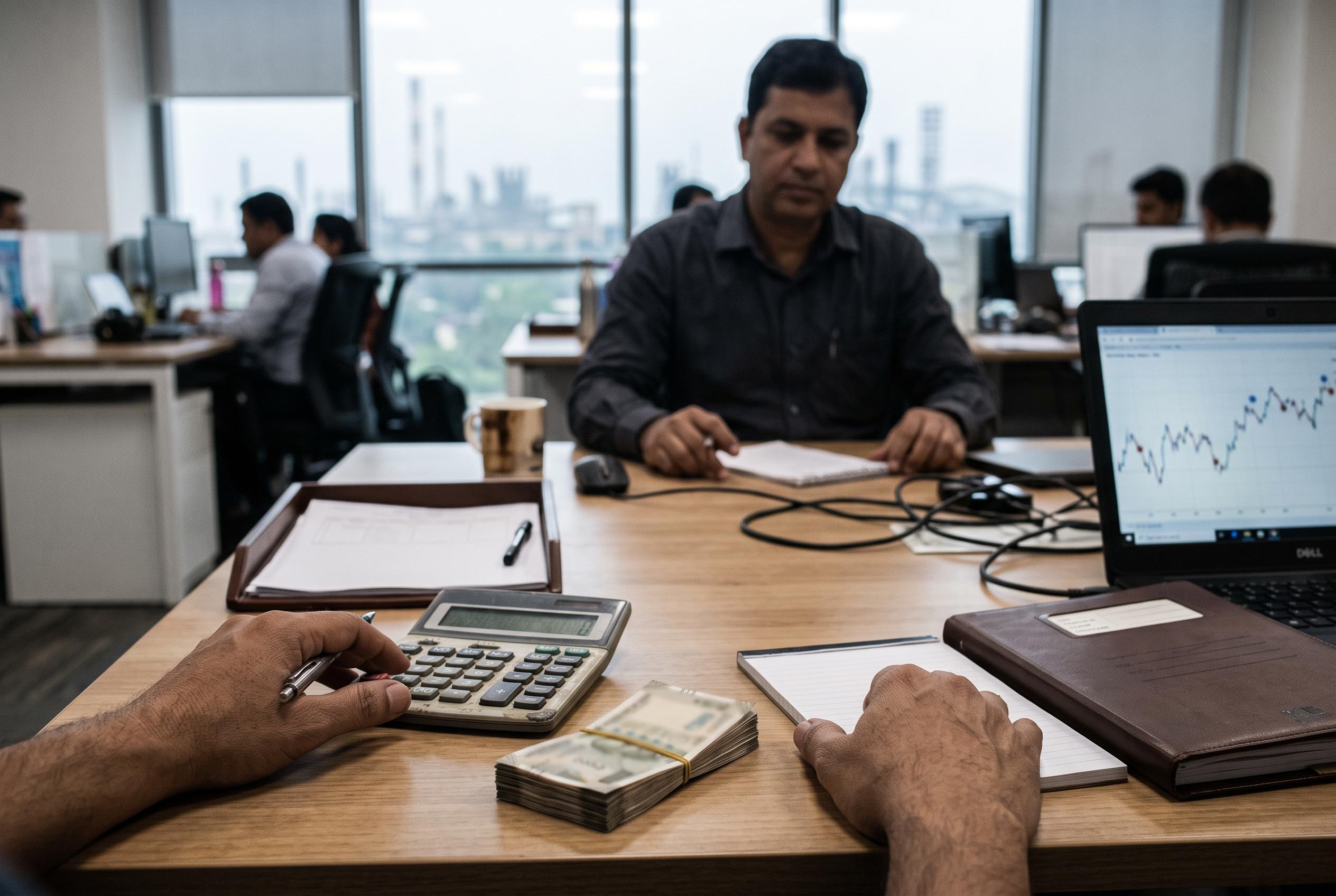

India’s wholesale inflation rate edged down slightly in July, but economists warn that persistent energy and manufacturing cost pressures, along with global uncertainties, suggest a cautious economic outlook for the coming months.
India’s wholesale inflation eased marginally in July, but economists warned that the relief may prove short-lived as energy markets, weather disruptions and persistent manufacturing costs continue to keep pressure on prices.
The Wholesale Price Index rose 9.78% in July 2026 from 9.87% in June, according to data cited by ANI. The main driver of the slight cooling was a sharp slowdown in fuel and power inflation, which dropped to 20.05% from 27.41% in the previous month.
Rajani Sinha, chief economist at CareEdge Ratings, told ANI that the moderation reflected lower prices for mineral oils and crude petroleum and natural gas, helped by a sequential easing in global energy prices. She added that the backdrop remains uncertain because geopolitical tensions could still shift fuel costs higher again.
Even with the softer energy reading, wholesale price pressures remain broad. Manufacturing inflation stood at 8.29% in July, with chemicals and chemical products up 13.12%, basic metals rising 12.56% and electrical equipment increasing 12.34%, ANI reported. Prachi Kele, lead economist at PL Capital, said wholesale inflation does not flow straight into retail prices, but sustained energy and input-cost pressures could eventually pass through to consumers if they persist.
Industry groups are also signalling caution. PHDCCI said the near-term outlook is for elevated but gradually easing wholesale inflation, while warning that renewed rises in crude and commodity prices, as well as weather-related food supply disruptions, could keep the index under strain. Ranjeet Mehta, the organisation’s chief executive and secretary general, said easing energy costs, better domestic supply conditions and softer input prices could help push inflation lower over time.
ICRA expects a deeper fall in August, with wholesale inflation potentially easing below 9.5%, after peaking at 9.9% in May and June. But Rahul Agrawal, principal economist at ICRA, said inflation is still likely to stay high for much of the year, with average WPI inflation forecast at about 8.5% for the 2026-27 financial year, which could also support a strong nominal GDP reading.
Disclaimer: This article is intended to inform and educate, not to recommend or endorse any financial product, investment or strategy. Please consider your own financial circumstances and seek professional advice where appropriate before making financial decisions.