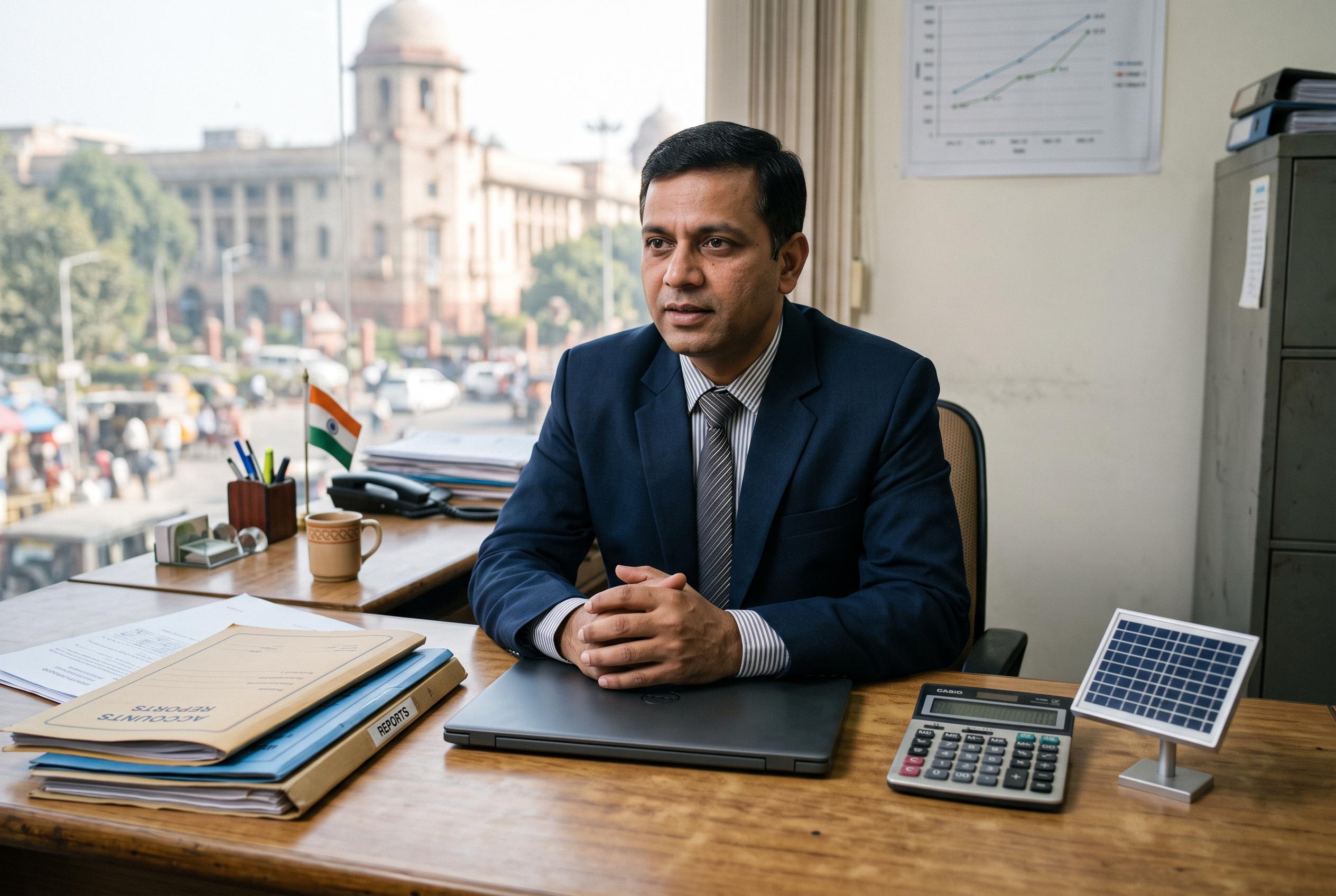

Small steel producers in India could reduce their electricity bills by up to 34% through renewable energy adoption, highlighting a shift that could enhance competitiveness and support the nation’s net-zero goals amid infrastructural and financial hurdles.
India’s smaller steel makers could cut their electricity bills by about a third if they switch to renewable power, according to a recent assessment that casts clean energy as a direct competitiveness issue rather than just an environmental one. The study says annual power costs for secondary steel MSMEs could fall by as much as 34%, a significant saving for businesses that often operate on narrow margins and face volatile energy prices.
The finding matters because smaller producers account for a large share of India’s crude steel output and electricity can make up as much as 40% of their operating costs, AP reported. Industry groups behind the assessment, including the Confederation of Indian Industry and WWF-India, argue that the shift to renewable electricity could ease pressure on profits while also reducing emissions from a sector that is central to India’s industrial growth and its net-zero ambitions for 2070.
Adoption has been uneven so far. AP reported that only 11% of small steel producers use green energy, compared with a national average of 22%, despite India having tripled its renewable capacity over the past decade. The same report said high upfront costs, weak grid infrastructure and bureaucratic delays remain major barriers, while industry figures are urging government action on infrastructure and regulation to make clean power easier to buy and use.
That challenge is not unique to steel. A June report from Mongabay said financing remains a major hurdle for MSME decarbonisation across the sector, even as India has rolled out energy-efficiency schemes and lending support. The United Nations Development Programme has also documented how targeted energy-efficiency efforts can scale quickly in the secondary steel segment, underlining that policy support and practical execution can make a measurable difference. For India’s steel MSMEs, renewable power now looks less like a niche sustainability move and more like a route to lower costs, stronger resilience and better access to markets that are increasingly attentive to carbon footprints.
Disclaimer: This article is intended to inform and educate, not to recommend or endorse any financial product, investment or strategy. Please consider your own financial circumstances and seek professional advice where appropriate before making financial decisions.