

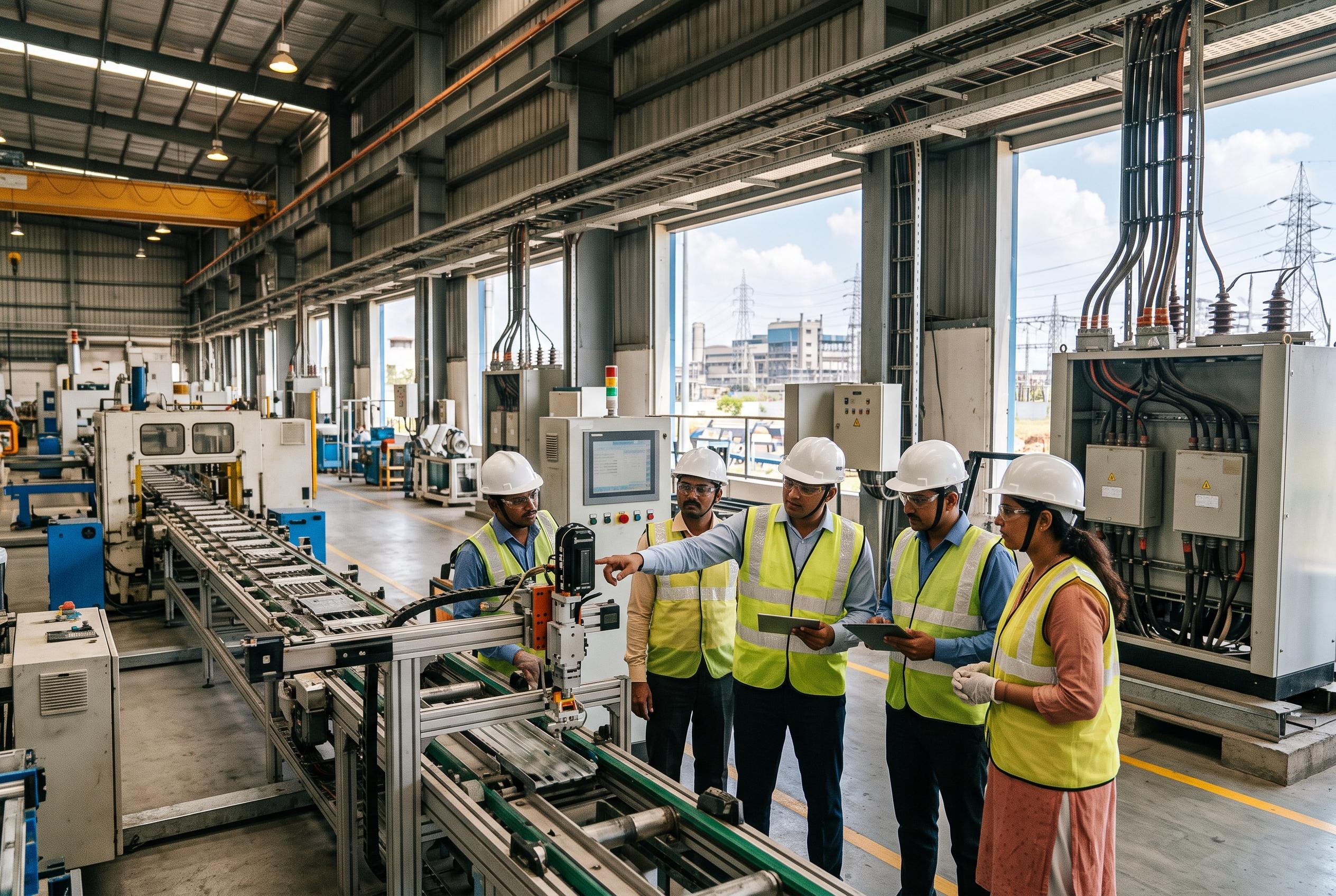

India’s industrial growth reached 6.7% in July 2026, driven by strong manufacturing and electricity output, signalling a broader economic recovery despite global and sector-specific challenges.
India’s industrial production rose 6.7% in July 2026, extending a recent run of resilience as manufacturing and electricity output provided the main lift, according to a Bank of Baroda report cited by IANS. The increase marked an improvement from 5.4% in the same month a year earlier, underscoring a broader recovery in factory activity.
Manufacturing, which carries the largest weight in the industrial production index, advanced 7.3% in July, helped by stronger output in clothing, chemicals, computers and electronics, electrical equipment, motor vehicles and other transport equipment, The Times of India reported. Trading Economics said electricity and gas supply also strengthened, while mining and quarrying contracted slightly, suggesting the gains were not evenly spread across the sector.
The bank expects industrial momentum to hold up in the months ahead, supported by firmer consumption demand, rural spending and policy measures aimed at manufacturing. It also said consumer durables remained firm, pointing to sustained urban demand, while heatwave conditions helped support purchases. India Briefing noted that manufacturing activity has stayed in expansion territory, with its July purchasing managers’ index at 53.5, reinforcing the view that production conditions remain broadly healthy.
Even so, the outlook is not without risks. Bank of Baroda warned that global commodity prices may stay volatile and producer margins could remain under pressure while supply chains normalise. It said tensions involving the US and Iran could continue to disrupt shipping routes, limiting the pass-through of higher input costs into output prices and keeping its full-year industrial production forecast cautious. At the same time, the bank said domestic efforts to deepen manufacturing and the limited effect of erratic monsoon patterns on consumer demand should provide some offset.
Disclaimer: This article is intended to inform and educate, not to recommend or endorse any financial product, investment or strategy. Please consider your own financial circumstances and seek professional advice where appropriate before making financial decisions.



