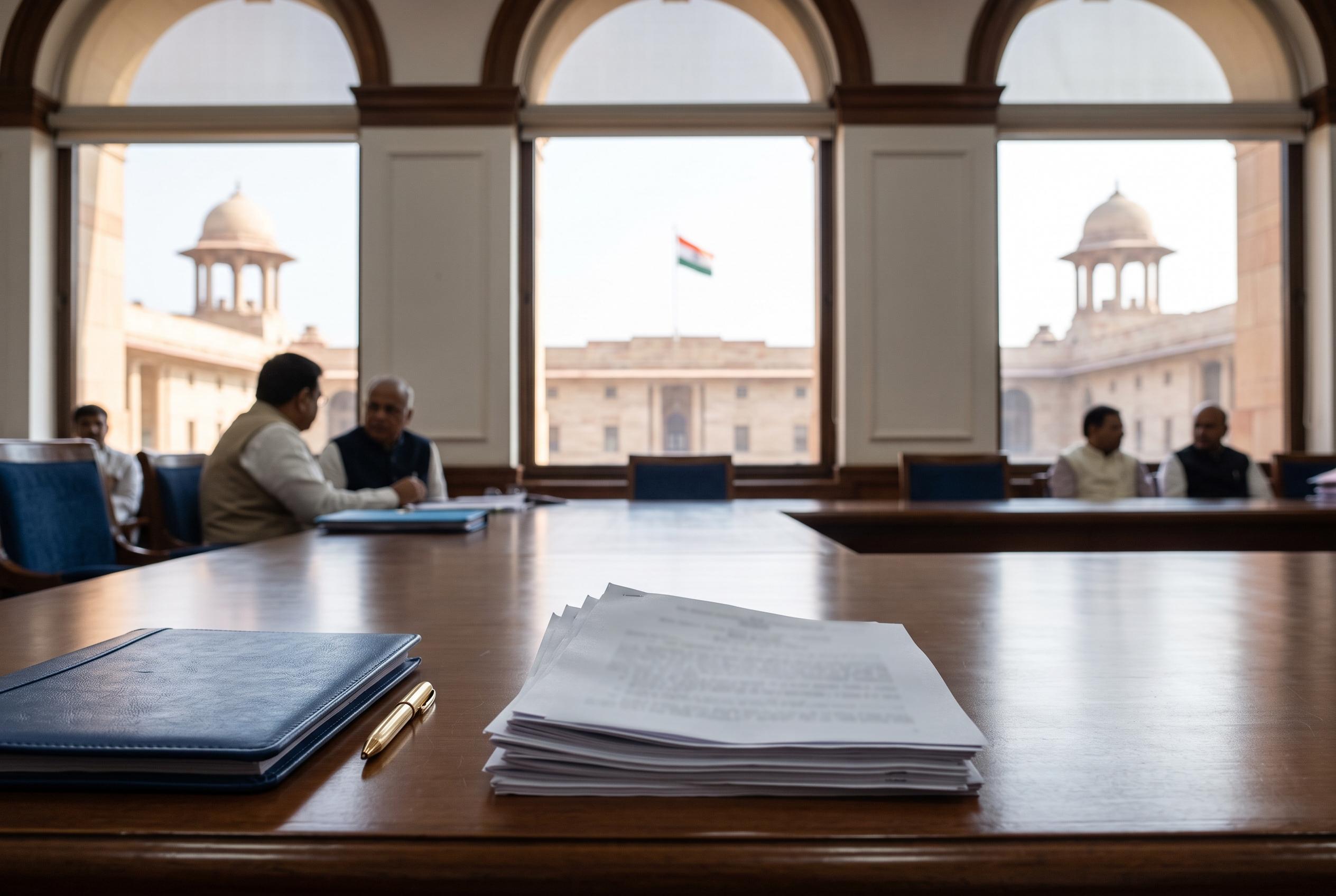

The Indian government’s proposed Foreign Contribution (Regulation) Amendment Bill 2026, now with a 31-member parliamentary committee, aims to tighten regulations on overseas-funded organisations amid a significant decline in active NGOs, raising concerns over compliance costs and government oversight.
India’s proposed overhaul of foreign funding rules has moved to a 31-member Joint Parliamentary Committee, which has been told to submit its report by the end of the first week of the Winter Session. The Foreign Contribution (Regulation) Amendment Bill, 2026 is intended to tighten compliance for organisations that receive overseas money and to close gaps in the way foreign-funded assets are handled when registrations lapse, are suspended or are cancelled.
The push comes at a time when the pool of active foreign-funded non-governmental organisations has shrunk sharply. Data from the Ministry of Home Affairs’ FCRA portal shows about 14,400 associations with active status, alongside more than 22,000 cancellations and over 15,000 expired registrations, figures that change as renewals and applications are processed. Times of India also reported that, as of 2023, India had 16,301 valid FCRA-licensed NGOs, with more than 6,600 cancellations over the preceding five years.
Under the broader reform drive, the home ministry notified revised Foreign Contribution (Regulation) Amendment Rules on June 22, adding a formal definition of “key functionary”, making registrations specific to purpose and geography and increasing reporting requirements for both activity and donors. Human Rights Watch said the changes give the government wider powers to monitor NGOs receiving foreign funds, while legal analysis of the bill says it would also create a designated authority to manage assets linked to organisations whose registrations are suspended, cancelled or not renewed.
In Andhra Pradesh, the changes are likely to be felt most sharply by groups working in poverty relief, drought response, education, healthcare and rural development, especially across Rayalaseema and tribal districts. The Deccan Chronicle reported that hundreds of NGOs operate in the region, many of them dependent on overseas donations, while some have already faced renewal problems and allegations of fund misuse. Rural Development Trust in Anantapur secured renewal after state government backing, and analysts say the new regime could raise compliance costs for genuine charities while increasing the risk for organisations found to have strayed beyond approved activities or locations.
Disclaimer: This article is intended to inform and educate, not to recommend or endorse any financial product, investment or strategy. Please consider your own financial circumstances and seek professional advice where appropriate before making financial decisions.