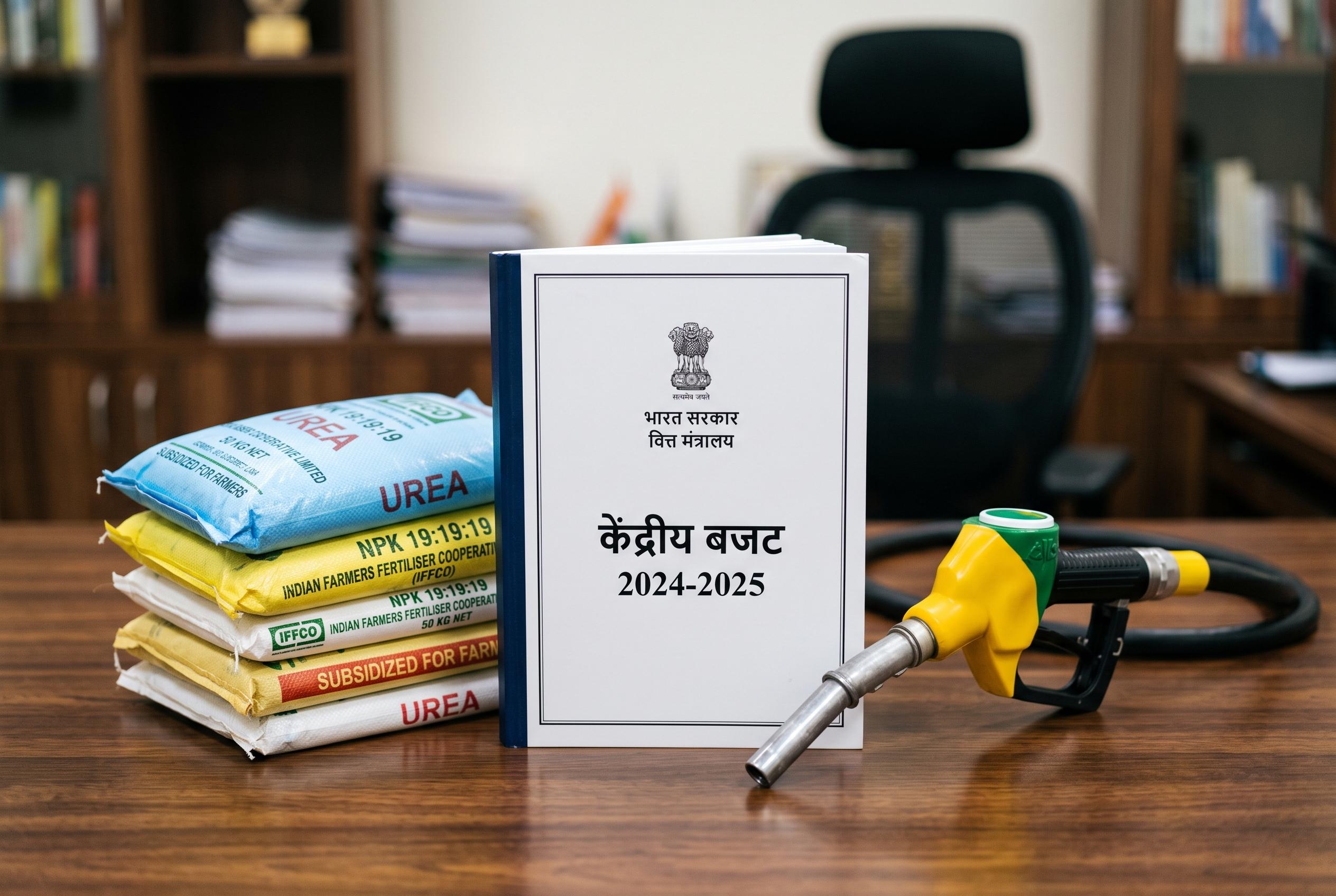

India’s government faces increasing fiscal pressures from international conflicts, with rising fertiliser and fuel costs straining budget discipline and forcing strategic interventions amid ongoing global disruptions.
India’s fiscal managers are facing mounting pressure from abroad, with the government telling a parliamentary panel that global shocks are making budget discipline harder to preserve. Officials said the Centre still wants to balance development spending with restraint, even as higher fertiliser and fuel costs linked to unrest in West Asia feed through to the public accounts.
During a presentation to the Standing Committee on Finance, led by Bhartruhari Mahtab, the Department of Economic Affairs said rigid items such as salaries, subsidies and interest payments consume a large share of revenue expenditure for both the Centre and the states. That leaves less room for investment that can expand productive capacity, even though officials argued that infrastructure and other asset-creating spending remain essential to long-term growth.
The strain is already visible in fertiliser support. Mint reported that the fertiliser subsidy bill had reached ₹2.17 trillion in FY26, above budget estimates, as volatile global input prices and currency pressure pushed costs higher. The publication said the bill could rise by a further fifth in FY27 if the West Asia conflict continues to disrupt supplies and lift nutrient prices.
Other analysts see a broader fiscal hit. Business Standard said economists at Bank of Baroda warned the West Asia crisis could add about ₹2.1 trillion to the fiscal burden in FY27, potentially worsening the deficit and weighing on growth. A separate note cited by Financial Express said the conflict has also tightened pressure on oil, fertiliser, oil marketing companies and excise receipts, leaving only limited room for comfort if the disruption lasts.
The government has already moved to cushion consumers and strategic industries. According to a May 4 briefing reported by PIB Tracker, officials outlined steps including cuts in excise duty on petrol and diesel, lower export levies on diesel and aviation turbine fuel and measures to keep fertiliser supplies flowing. Moneycontrol reported that nearly ₹1.23 lakh crore was provided to state-run oil marketing companies to hold fuel prices steady for 78 days after the shock from West Asia, though the companies were still reporting heavy daily losses. Livemint also reported that the crisis could reduce domestic fertiliser production by 10% to 15% and add as much as ₹25,000 crore to the subsidy bill, underscoring how exposed the budget remains if the conflict drags on.
Disclaimer: This article is intended to inform and educate, not to recommend or endorse any financial product, investment or strategy. Please consider your own financial circumstances and seek professional advice where appropriate before making financial decisions.