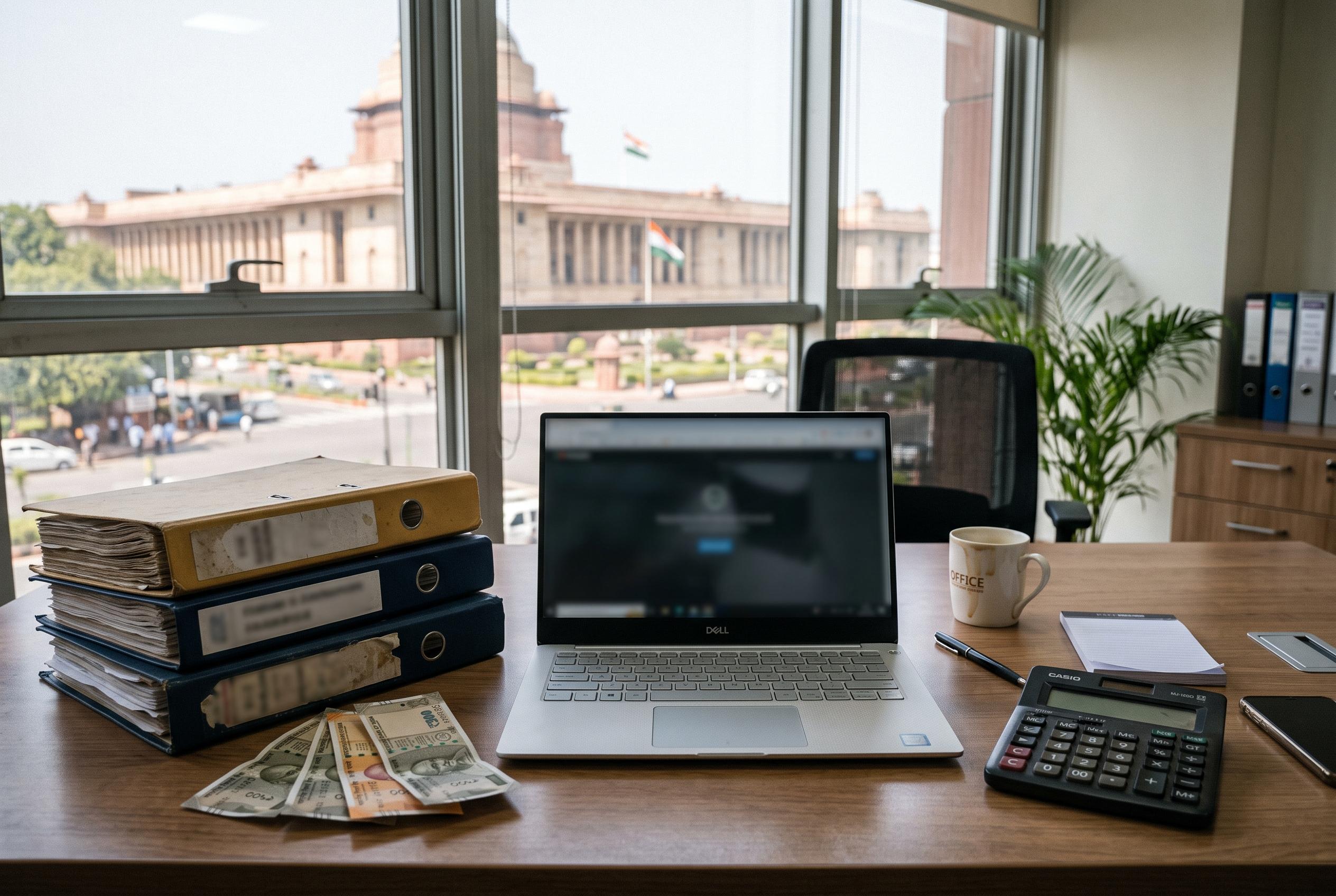

India’s economy ended the week with robust tax and export growth, but persistent inflation and rising debt levels pose ongoing challenges, as policymakers chart their long-term growth strategy.
India’s economy ended the week with a mixed signal: tax receipts and exports were stronger, but inflation, trade and debt pressures remained hard to ignore. Business Standard reported that net direct tax collections had climbed 23.09% year on year to more than ₹8.11 trillion by August 10, while merchandise exports rose sharply in July even as imports grew faster and widened the trade gap.
The tax figures reflect a continuation of the strong revenue trend seen in earlier periods. The Times of India reported in December 2023 that net direct tax collections for the 2023-24 financial year were already up 20.66% from a year earlier, driven by higher corporation tax and personal income tax receipts, while DD India later said provisional full-year collections had reached ₹18.9 lakh crore, underlining the resilience of the tax base.
Inflation remained a concern. Business Standard said retail inflation rose to 4.45% in July from 4.38% in June, staying above the Reserve Bank of India’s 4% target for a second month. Mint reported that consumer price inflation had previously spiked much higher, reaching 7.44% in July 2023 on the back of food and vegetable prices, a reminder of how quickly household costs can accelerate when food inflation bites.
Wholesale prices eased a little in July, with Business Standard saying the index moderated to 9.78% from 9.87% as fuel and power inflation cooled. Even so, food prices remained elevated, keeping the broader inflation picture uncomfortable for policymakers and consumers alike.
Fiscal strain also stayed in view. Business Standard reported that the government’s debt-to-GDP ratio stood at 58.2% in FY26, above the 56.1% target, meaning debt would need to fall more quickly in the next fiscal year to meet the Budget estimate. Fitch, meanwhile, kept India’s sovereign rating at BBB- with a stable outlook, but warned of possible fiscal pressures from higher spending needs.
There was also policy movement during the week. Parliament passed the Bankers’ Book Evidence Bill, replacing the 1891 law and giving explicit legal status to electronic banking records. Finance Minister Nirmala Sitharaman also said no merchant discount rate framework had been finalised, and that any future levy would be limited to certain high-value transactions, leaving consumers and small merchants outside its scope. The week ended with Prime Minister Narendra Modi setting out a seven-pillar roadmap for Viksit Bharat by 2047, pitched as a long-term growth blueprint.
Disclaimer: This article is intended to inform and educate, not to recommend or endorse any financial product, investment or strategy. Please consider your own financial circumstances and seek professional advice where appropriate before making financial decisions.