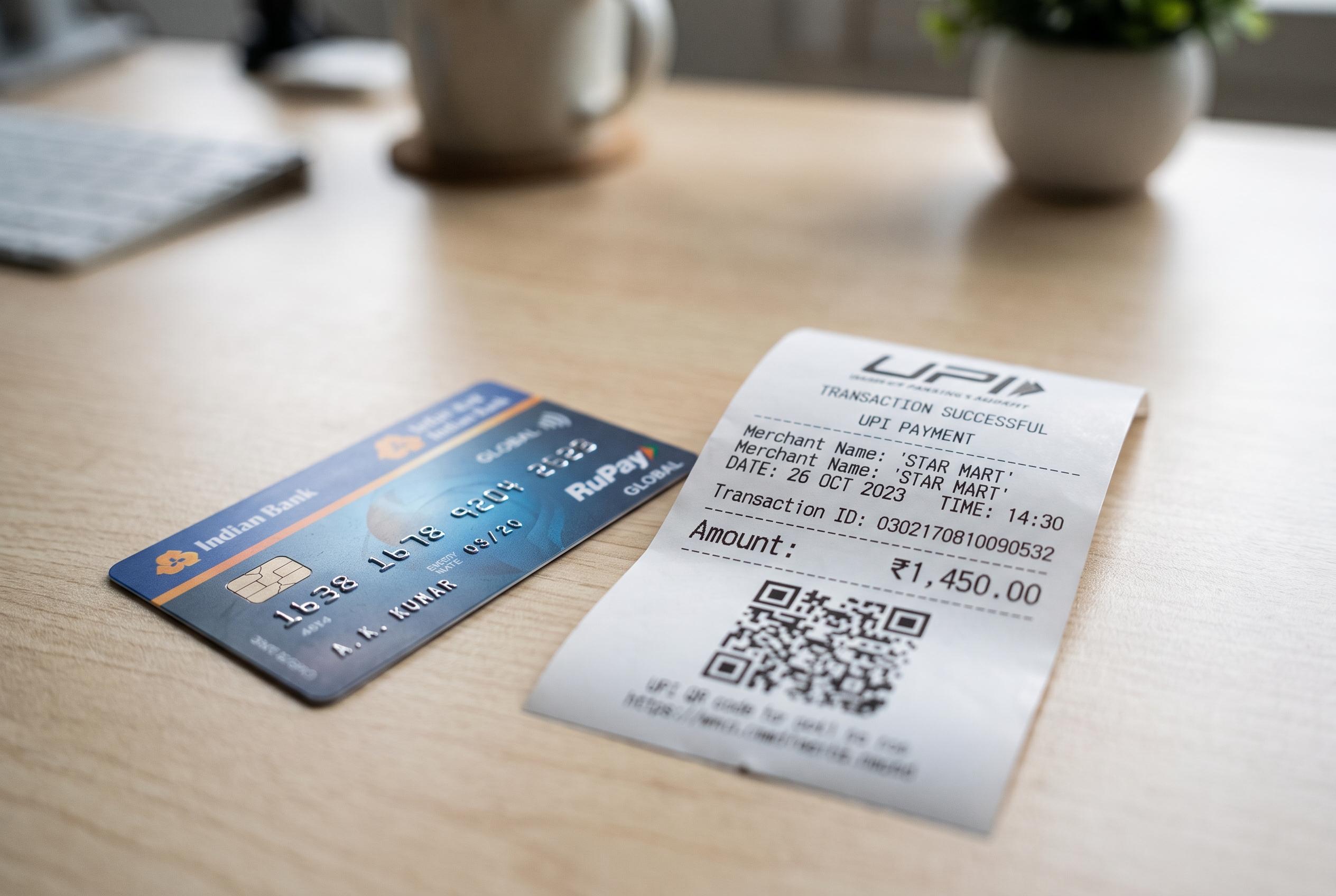

India’s move to impose fees on UPI and RuPay transactions has intensified US trade concerns, highlighting a broader clash over control of digital payment infrastructure amid ongoing negotiations between New Delhi and Washington.
India’s move to give banks and payment companies scope to charge for UPI and RuPay debit card transactions comes as New Delhi and Washington try to finish a trade agreement, and the timing has sharpened suspicion that the proposal is not just about payments policy. The Finance Ministry has brought forward a Bill that would allow fees in a system long marketed as free to users, a shift that could eventually filter through to customers if banks choose to pass costs on. Reuters-style trade analysis in India has linked the debate to US pressure for what American officials describe as a level playing field in digital payments. The core dispute is over whether India’s domestic rails have become too successful for foreign card networks to compete on equal terms.
Since UPI launched in 2016, its near-frictionless payments have steadily eroded the room for Visa and Mastercard in India’s fast-growing retail market, according to TechCrunch and Indian industry observers. The Delhi-based Global Trade Initiative has argued that zero transaction charges for UPI, state backing for RuPay and RuPay’s access to credit-card payments through UPI have weakened the fee income of US card firms. It says the business model of international networks depends on merchant transaction fees, while a widely used, interoperable and zero-MDR system such as UPI reduces that revenue pool. MDR, or merchant discount rate, is the charge levied on merchants to cover payment processing and related costs.
Washington has made the issue part of its broader trade complaints. In March, the US Trade Representative described India’s digital payment policies as a barrier that favours domestic players, saying US electronic payment companies have not been able to participate in the UPI system on equal terms, including in credit transactions routed through UPI and RuPay. The USTR also pointed to India’s cap on third-party app market share, which has been repeatedly delayed and is now scheduled for enforcement in December 2026. By the end of 2025, two US-owned payment apps, Walmart-backed PhonePe and Google Pay, together handled more than 80% of UPI transactions, according to the USTR.
India has already softened or adjusted several digital-policy positions under US tariff pressure. Last year it scrapped the 6% equalisation levy known as the “Google tax”, and in the latest Union Budget it offered a tax holiday for foreign companies setting up data centres in India until 2047. In the current controversy, Congress leader Jairam Ramesh has said the payment bill is really about responding to American pressure, while Finance Minister Nirmala Sitharaman has argued that the merchant discount rate applies to merchants rather than end users and said the matter is still subject to parliamentary approval. Paytm has separately said revised RuPay
India is not alone in facing American scrutiny over domestic payment systems. The USTR has taken aim at Brazil’s Pix platform, which the Central Bank of Brazil created and operates, and which it says may disadvantage US electronic payment providers because of preferential treatment. The American trade body has also raised concerns about Indonesia’s National Payment Gateway, Vietnam’s NAPAS system, Turkey’s support for the Troy card brand, payment localisation moves in several Gulf states and China’s treatment of UnionPay. Taken together, those disputes suggest that India’s UPI row is part of a wider confrontation over who controls the rails of digital commerce.
Disclaimer: This article is intended to inform and educate, not to recommend or endorse any financial product, investment or strategy. Please consider your own financial circumstances and seek professional advice where appropriate before making financial decisions.