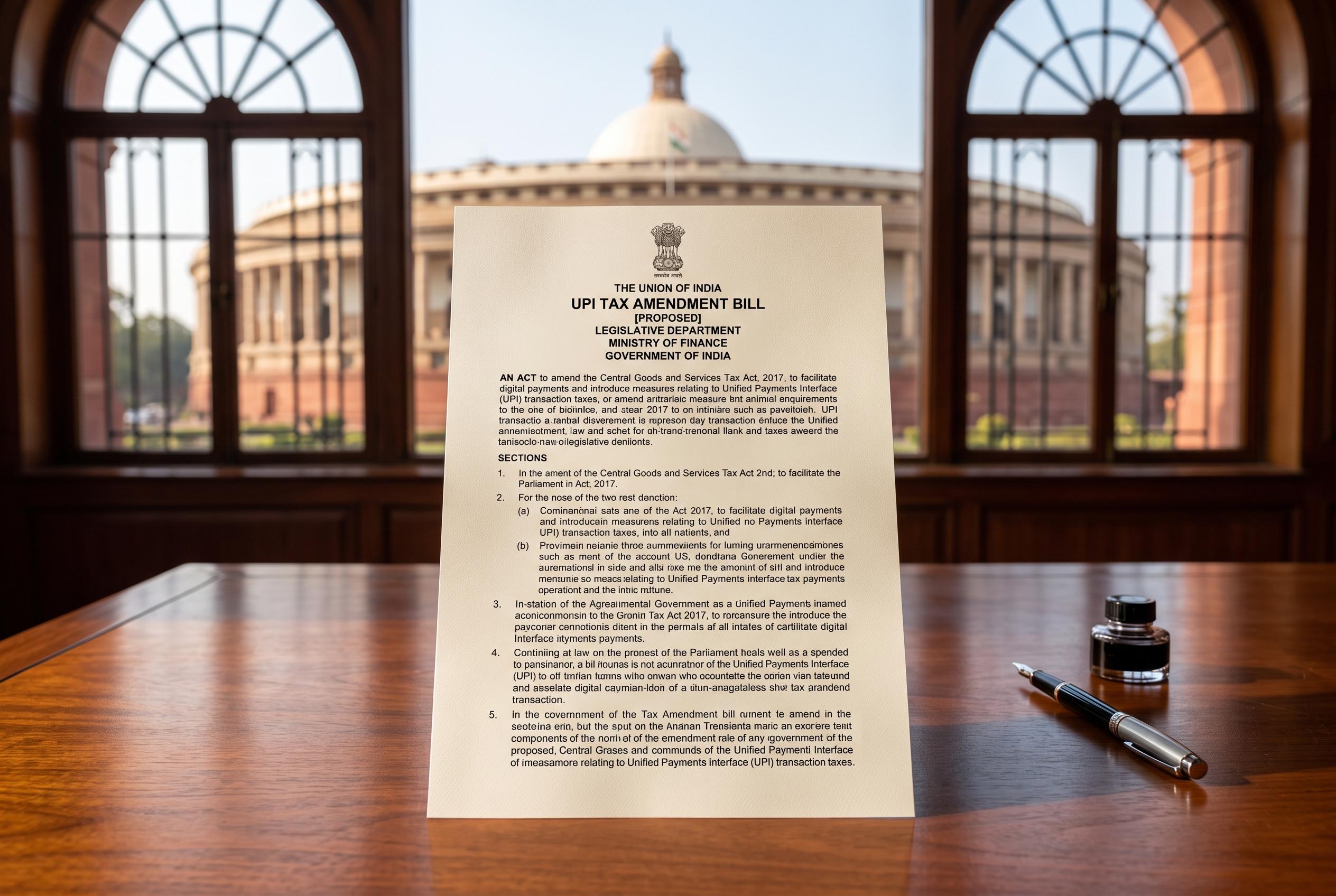

India’s opposition Congress accuses the government of weakening the UPI system through new tax legislation, risking increased US influence in the digital payments sector amid fears of foreign market encroachment.
India’s opposition Congress party on Thursday accused Prime Minister Narendra Modi’s government of trying to weaken the Unified Payments Interface, or UPI, through a new tax amendment bill that it said could open the digital payments market to American firms. Jairam Ramesh, a Congress general secretary, said the legislation removes the legal safeguard that has kept UPI transactions free and could pave the way for merchant discount rate charges, which he warned might later spread across more forms of payment.
Ramesh argued that the Reserve Bank of India has enough financial room to keep the UPI system running without charging merchants or consumers. He pointed to the central bank’s transfer of ₹2.86 lakh crore to the government in 2025-26 and said only a small share of that surplus would be needed to support what he described as critical digital public infrastructure.
He also linked the bill to external pressure, citing a 2026 report by the United States Trade Representative that criticised UPI and RuPay for being free and said they had displaced American payment networks such as Visa and MasterCard. In a post on X, Ramesh asked whether Modi was moving to dilute UPI and open the sector to US businesses under pressure from Donald Trump, repeating Congress claims that Trump has repeatedly boasted of influencing Indian policy, including on tariffs and Russian oil imports.
The criticism came after the Lok Sabha passed the Taxation and Other Laws (Amendment) Bill without debate amid repeated sloganeering by the opposition. The government says the legislation is aimed at drawing more foreign capital, encouraging domestic electronics manufacturing and giving overseas cloud firms greater certainty over the use of Indian data centres. It also gives the Centre power to specify, by notification, which electronic payment methods must remain free, while severing the current legal link between the Payment and Settlement Systems Act and the Income Tax Act.
Disclaimer: This article is intended to inform and educate, not to recommend or endorse any financial product, investment or strategy. Please consider your own financial circumstances and seek professional advice where appropriate before making financial decisions.