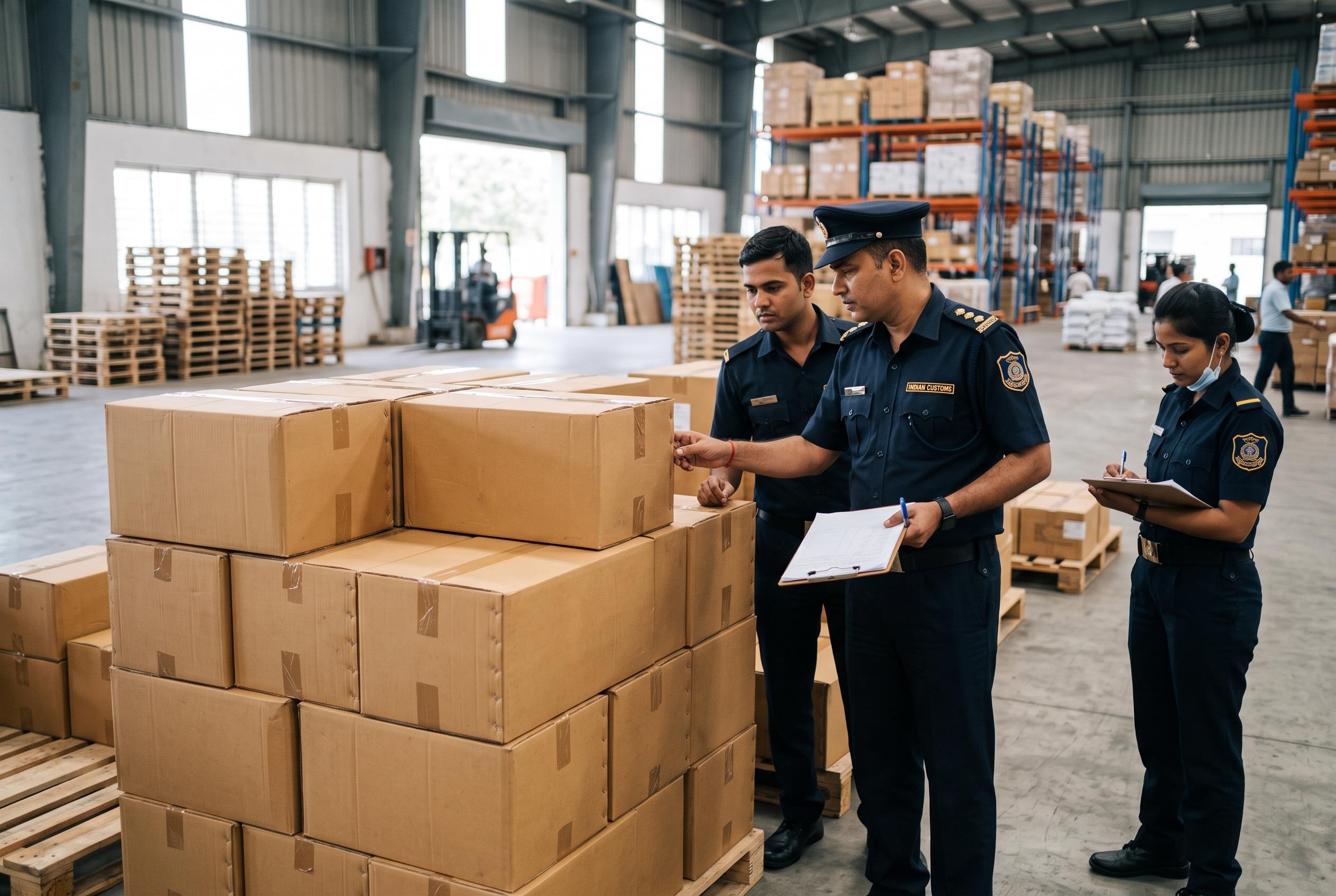

Indian authorities have confiscated over 8,400 cartons of products from PepsiCo and Coca-Cola amid investigations into alleged expiry date manipulation and relabelling for export, highlighting increasing regulatory scrutiny in the country.
Indian authorities have seized thousands of cartons of branded food and drink products during an investigation into an alleged scheme to alter expiry dates and relabel packaging for export, according to reports based on the police case. The goods included items made by PepsiCo and Coca-Cola, and officials said the operation was being carried out from a third-party facility in Navi Mumbai. Reuters reported that investigators found chemicals used to remove dates, printing equipment and replacement labels at the site, suggesting the products had been prepared for resale in overseas markets.
The seizure covered 8,442 cartons with an estimated value of 75.21 million rupees, or about $900,000. Among the products identified were PepsiCo’s Lay’s and Kurkure snacks, together with Coca-Cola’s Thums Up and Limca beverages. Other reports on the case said authorities also found altered ingredient and nutrition panels, raising concerns about whether the goods were being made to look compliant for destinations with different labelling rules.
The police case does not accuse PepsiCo, Coca-Cola, Nestlé or Unilever of wrongdoing. Instead, the focus is on the warehouse operation and the exporter companies linked to it. That distinction matters for investors and brand owners, because it points to a supply-chain and distribution risk rather than a direct manufacturing scandal. Even so, the episode highlights how global consumer companies can face reputational damage when products move beyond their direct control.
India’s food regulators have also stepped up scrutiny more broadly in recent months. The Food Safety and Standards Authority of India has issued about 150 notices to food companies, including PepsiCo, Coca-Cola India and Nestlé India, over issues such as misleading advertisements, false claims and labelling breaches, according to local reports. Together, the actions suggest a tougher enforcement environment for packaged-food groups operating in one of the world’s largest consumer markets.
Disclaimer: This article is intended to inform and educate, not to recommend or endorse any financial product, investment or strategy. Please consider your own financial circumstances and seek professional advice where appropriate before making financial decisions.