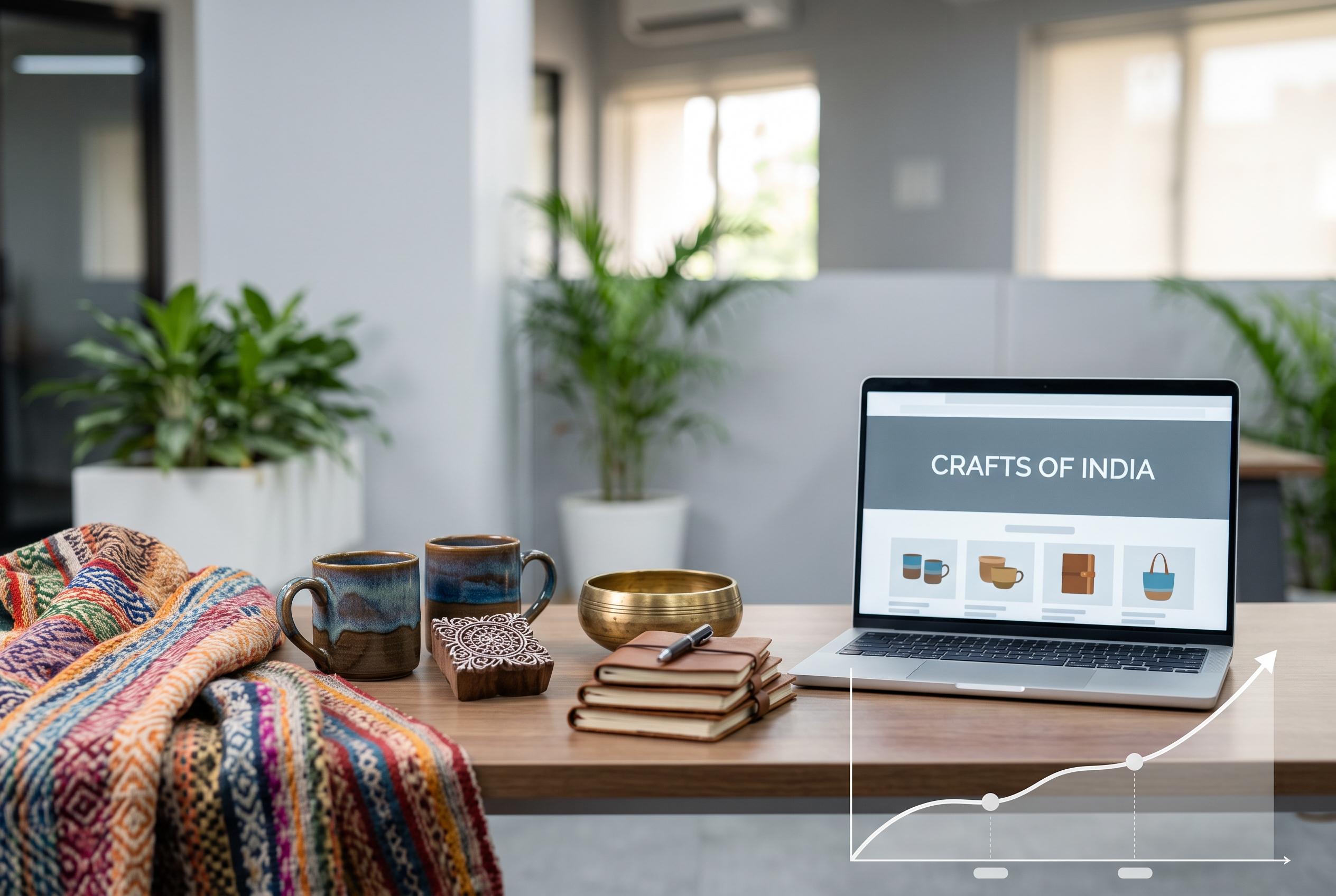

India has expanded its foreign direct investment regulations for e-commerce platforms, aiming to help small enterprises, artisans, and primary producers access international markets and boost exports through online channels.
India has widened its foreign direct investment rules for e-commerce in a move aimed at helping small businesses, artisans and primary producers reach customers beyond domestic markets, Commerce and Industry Minister Piyush Goyal said in Jaipur on Friday. Speaking after the BRICS Trade and Industry Ministers’ Meeting, Goyal said the changes would support online sales of handlooms, handicrafts, textiles, footwear and food products, while also benefiting farmers and fishermen.
Goyal linked the policy shift to India’s effort to turn e-commerce into a larger export channel for micro and small enterprises. He said many countries have already built substantial trade volumes through online platforms and that India wants its own smaller sellers to tap similar demand. The minister also said the reforms could support labour-intensive sectors such as khadi, cottage industries, textiles and leather craft, adding that National Handloom Day, marked on August 7, underscored the importance of preserving and commercialising traditional production.
The announcement comes against the backdrop of India’s long-standing distinction between marketplace and inventory-based e-commerce models. According to guidance from the US International Trade Administration and analysis by the Information Technology and Innovation Foundation, India allows 100% foreign ownership in pure marketplace platforms that connect buyers and sellers, but bars foreign investment in inventory-led models where the platform owns the goods it sells. The same framework also limits price influence, exclusivity and preferential treatment for selected vendors, rules that have often made the regulatory landscape complex for global companies.
A separate report in The Tribune said the Department for Promotion of Industry and Internal Trade has now permitted foreign direct investment in inventory-based e-commerce, but only for export sales of domestically manufactured or produced goods. If that interpretation holds, it would give Indian sellers a new route to foreign buyers while keeping the policy focused on outward trade rather than domestic retail. During the BRICS meetings, Goyal also said ministers discussed job creation, artificial intelligence, quantum computing, paperless trade and better financing for small firms, signalling that India wants digital commerce to sit alongside wider industrial cooperation.
Disclaimer: This article is intended to inform and educate, not to recommend or endorse any financial product, investment or strategy. Please consider your own financial circumstances and seek professional advice where appropriate before making financial decisions.