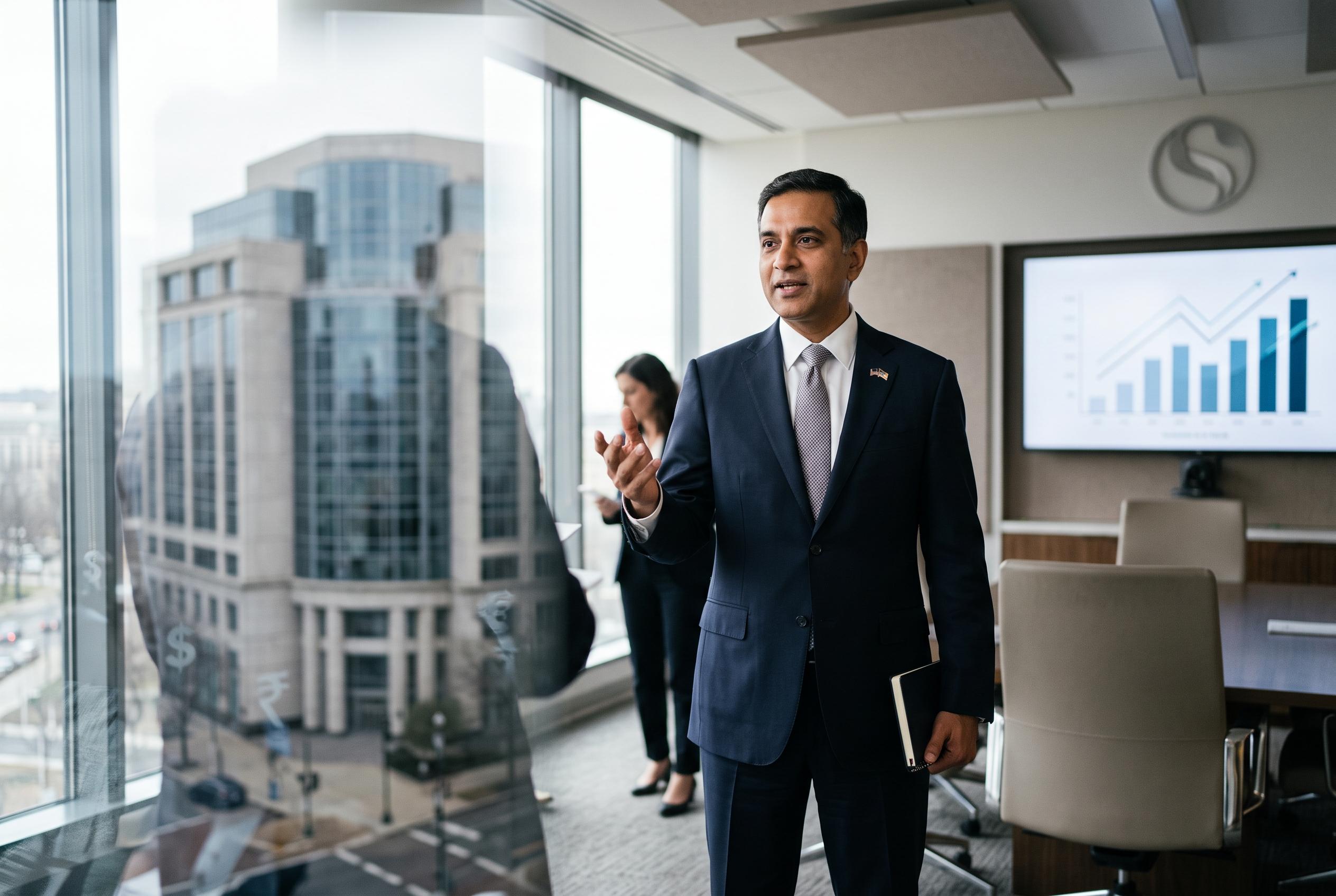

India and the United States remain engaged in talks over a bilateral trade deal, but recent US tariff regime changes and domestic restrictions are complicating progress, with both sides seeking stability and fair terms.
India and the United States are still in regular talks on a proposed bilateral trade agreement, with Commerce Secretary Rajesh Agarwal saying both sides remain committed to the first phase of the pact that was settled in February. He said the framework is in place, but recent changes in the US tariff regime have forced further negotiations and made the timetable less certain.
Agarwal said the two governments are continuing to work through the remaining issues and that the broader talks are progressing without major obstacles. The New Indian Express reported in July that he described the negotiations as moving in a positive direction, with both sides said to have a shared understanding of the framework and each other’s expectations.
The planned agreement has been shaped by India’s insistence on protecting sensitive farm and dairy interests. In February, Business Standard reported that no duty concessions were granted on key agricultural and dairy products in the interim arrangement, while the two sides worked to turn a joint statement into a legal text. Agarwal has also said the deal should deliver more stability and predictability for businesses in both countries.
The talks now face a more complicated backdrop. The US Supreme Court’s decision to strike down an earlier reciprocal tariff structure introduced by Donald Trump has added uncertainty, while India is also dealing with an additional 10% duty on certain goods under a Section 301 investigation linked to forced labour allegations. Agarwal declined to comment on a US Senate bill that could allow tariffs of up to 100% on imports from countries buying Russian oil, saying it was a domestic legislative matter. He said a completed agreement would help both countries make investment and trade decisions with greater confidence, and Commerce and Industry Minister Piyush Goyal has said India will only sign off on the first phase if it secures a tariff position no worse than competing exporters such as Bangladesh, Vietnam and Thailand.
Disclaimer: This article is intended to inform and educate, not to recommend or endorse any financial product, investment or strategy. Please consider your own financial circumstances and seek professional advice where appropriate before making financial decisions.