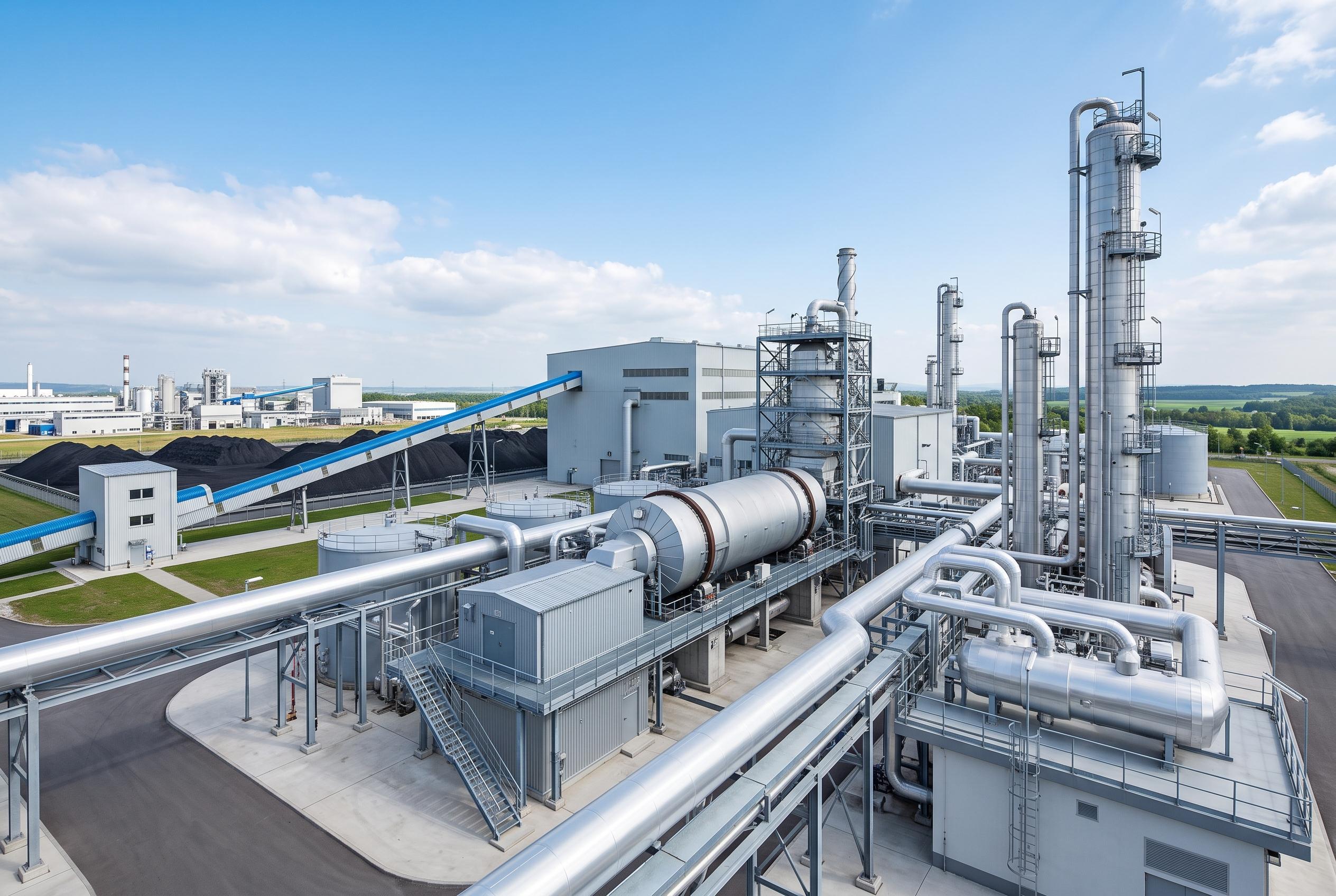

India’s focus on scaling up coal gasification technology gains momentum, with industry and policymakers seeking to turn domestic coal into fuels, chemicals, and industrial inputs, reducing dependence on imports and enhancing energy security.
Coal gasification is gaining fresh momentum in India as industry and policymakers look for ways to turn domestic coal into fuels, chemicals and industrial feedstock while cutting reliance on imports. In Bhubaneswar, the Coal Gasifiers Association of India brought together executives, technologists and officials for an international conference focused on the challenges and opportunities in the sector, underscoring growing interest in faster deployment of the technology and stronger policy backing.
The discussion reflected a broader government effort to support coal gasification through financial incentives, including Viability Gap Funding, and to align the sector with the Atmanirbhar Bharat push for greater self-reliance. More than 25 experts presented technical papers at the event, with a particular emphasis on handling India’s high-ash coal and building domestic manufacturing capacity for products that are still imported. Delegates included senior figures from Coal India, Mahanadi Coalfields, South Eastern Coalfields, GAIL, NTPC and Jindal Steel, along with international participants from Canada and Sri Lanka.
A field visit to Jindal Steel’s Angul complex showed why the company has become a reference point in this area. According to company material and industry reports, the plant operates a coal-gasification-based direct reduced iron unit that uses synthesis gas, or syngas, in iron-making. Jindal Steel says it has also used syngas in galvanising and colour-coating furnaces and injected it into blast furnaces to reduce imports of coking coal and lower emissions per tonne of steel.
The Angul site is significant not just for what it produces but for what it represents. Business Standard reported that the company restarted its 1.8 million tonnes-a-year direct reduced iron plant in 2019, powered by what it described as India’s largest coal gasification facility. Other industry accounts say Jindal Steel sees coal gasification as a route to energy security, lower-carbon steel and, eventually, new hydrogen production possibilities. For the sector, the wider argument is clear: if India can commercialise gasification at scale, it could unlock new value from coal while reducing dependence on imported energy and industrial inputs.
Disclaimer: This article is intended to inform and educate, not to recommend or endorse any financial product, investment or strategy. Please consider your own financial circumstances and seek professional advice where appropriate before making financial decisions.