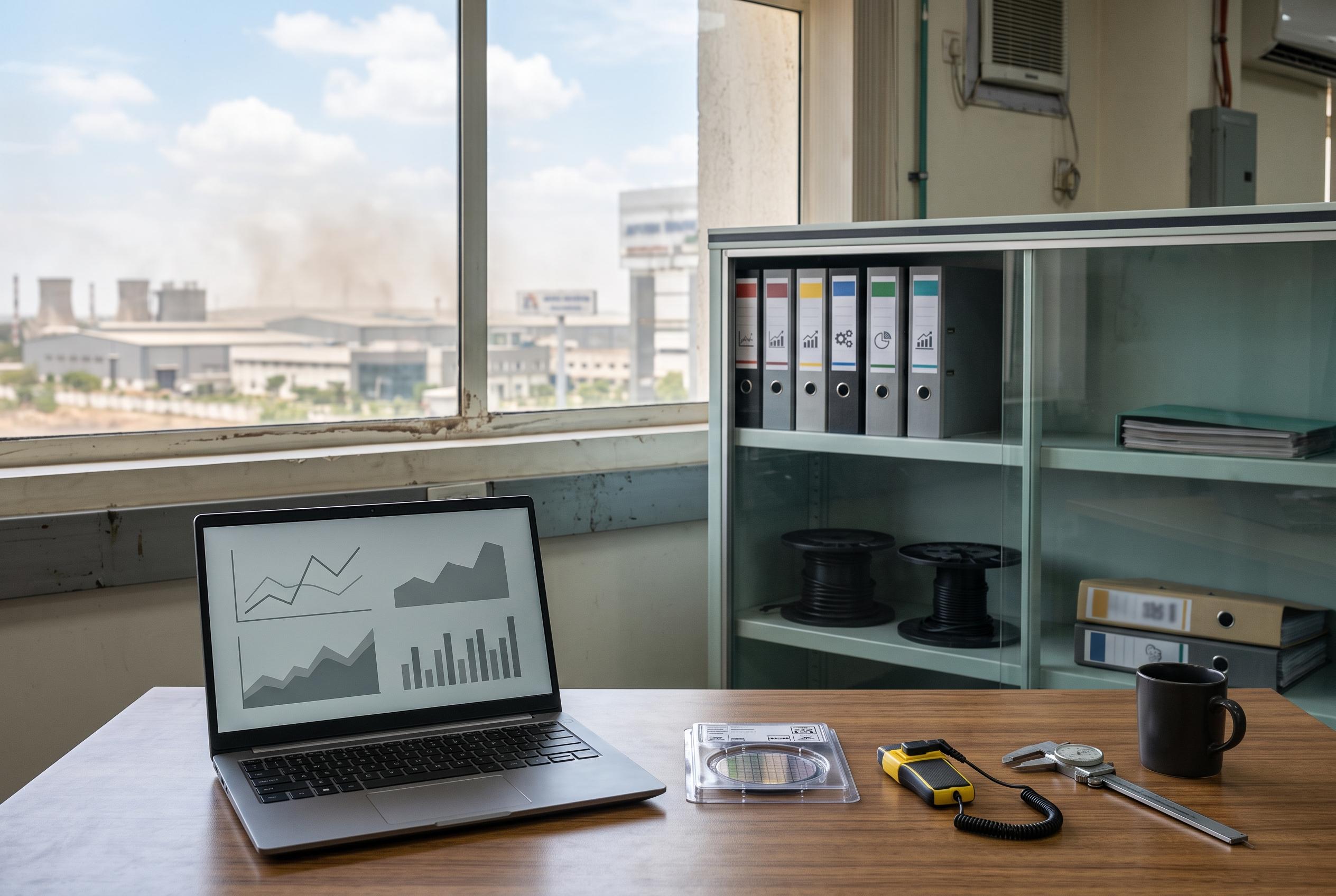

Prime Minister Narendra Modi announced plans to add five to eight semiconductor plants over the next decade, positioning India as a rising global player in chip production and energy strategy.
India could add five to eight more semiconductor plants over the next seven to eight years, Narendra Modi said in his Independence Day address from the Red Fort, framing chipmaking as central to the country’s drive for self-reliance, manufacturing strength and energy security. The prime minister said semiconductors are now essential to everything from consumer electronics and medical devices to transport systems, making domestic production a strategic priority for India’s economy and technology base.
Modi said three major chip plants are already operating and that their output is expected to be exported as well. Recent developments lend weight to that claim: on July 4, he inaugurated the CG Semi outsourced semiconductor assembly and test facility in Sanand, Gujarat, which the government says is part of a wider push to build a full semiconductor ecosystem. According to company and government statements, the plant is expected to make up to 500 million chips a year, while reports from Moneycontrol said initial production is intended for export to Japan.
The new plant in Sanand also underlines how India is trying to move beyond assembly into a broader electronics value chain. Hindustan Times reported that Modi described the facility as part of the next phase of Make in India and the Viksit Bharat agenda, with the aim of reducing dependence on foreign suppliers. Beyond chips, he pointed to wider industrial gains over the past 12 years, saying defence output has risen nearly fourfold, electronic manufacturing almost sevenfold and mobile-phone production 33-fold.
Energy security formed the other major strand of his speech. Modi said India is working towards 200 GW of nuclear power capacity, with five new reactors already under way, and highlighted progress in fast-breeder technology as a way to cut foreign dependence. He also said piped gas now reaches 1.75 crore households and more than 50 lakh homes are covered by solar power, presenting semiconductor manufacturing and nuclear expansion as part of a single strategy to strengthen domestic capability across critical sectors.
Disclaimer: This article is intended to inform and educate, not to recommend or endorse any financial product, investment or strategy. Please consider your own financial circumstances and seek professional advice where appropriate before making financial decisions.