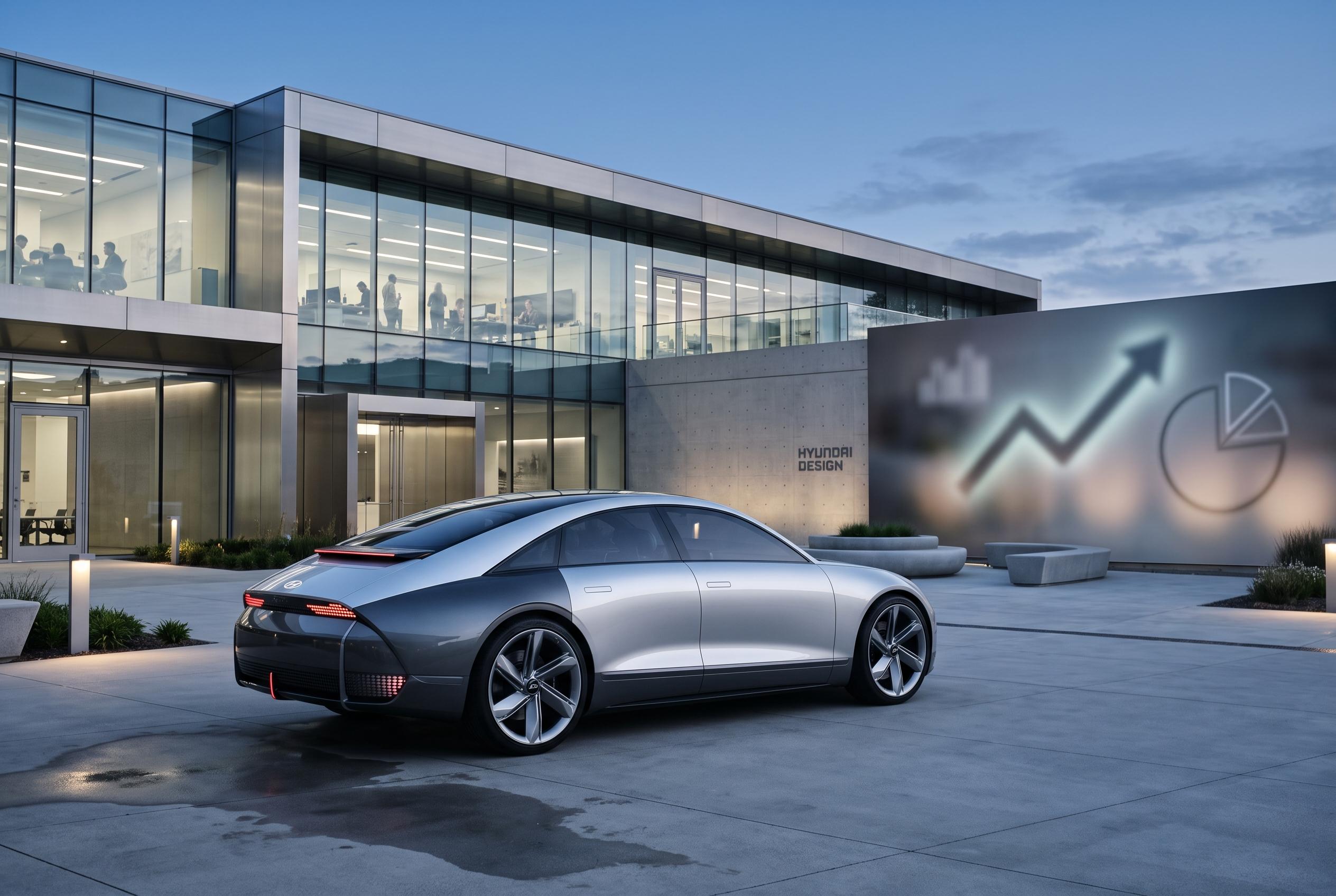

Hyundai Motor India, facing declining market share due to slower product updates, plans an aggressive rollout of 26 new models by 2030, including electric vehicles and facelifts, to reclaim its competitive edge in India.
Hyundai Motor India has acknowledged that its slower cadence of new launches, facelifts and updates has hurt its standing in one of the world’s most competitive car markets. The admission matters because Indian buyers have been gravitating towards fresh SUVs, sharper design updates and newer technology, areas where rivals such as Mahindra and Tata Motors have moved faster.
The pressure shows up in the numbers. According to Hyundai’s latest annual report, domestic sales in FY26 fell to 5,84,906 units, about 2.3% lower than a year earlier, even as the wider passenger vehicle market in India kept growing. The company also slipped to fourth place in the domestic rankings, losing the No. 2 position it had held for years. Data from the Federation of Automobile Dealers Associations indicates Hyundai’s passenger vehicle share has fallen from 17.36% in FY21 to 12.29% in FY26.
By contrast, Mahindra and Tata Motors have used a steady stream of fresh SUV launches to build momentum. Industry data cited in the reports shows Mahindra sold about 6.60 lakh passenger vehicles in FY26, up roughly 20%, while Tata Motors Passenger Vehicles crossed 6.42 lakh units, rising around 15%. Analysts say Hyundai’s heavy reliance on the Creta, which accounts for a large share of its domestic sales, left it more exposed than rivals with broader SUV line-ups.
Exports have helped soften the blow. Hyundai’s overseas sales rose about 16.4% in FY26 to 1,90,125 units, giving the company a cushion even as domestic demand weakened. The manufacturer is now trying to reset its India strategy with an unusually ambitious product push: 26 launches by 2030, including all-new models, facelifts, new electric vehicles and more hybrid options. Reports on the plan suggest the roll-out will include the next-generation Venue, a Bayon crossover positioned below the Creta, a refreshed Exter and other new nameplates.
That product offensive is being matched by a large investment programme. Hyundai says it plans to spend about ₹45,000 crore by FY30 on product development, research and development, electrification, manufacturing and localisation. It is also expanding capacity at its Pune plant, formerly Talegaon, while strengthening its Chennai base. Whether that effort is enough to recover market share will depend less on brand strength than on execution, and on how quickly Hyundai can keep pace with a market that now rewards constant renewal.
Disclaimer: This article is intended to inform and educate, not to recommend or endorse any financial product, investment or strategy. Please consider your own financial circumstances and seek professional advice where appropriate before making financial decisions.