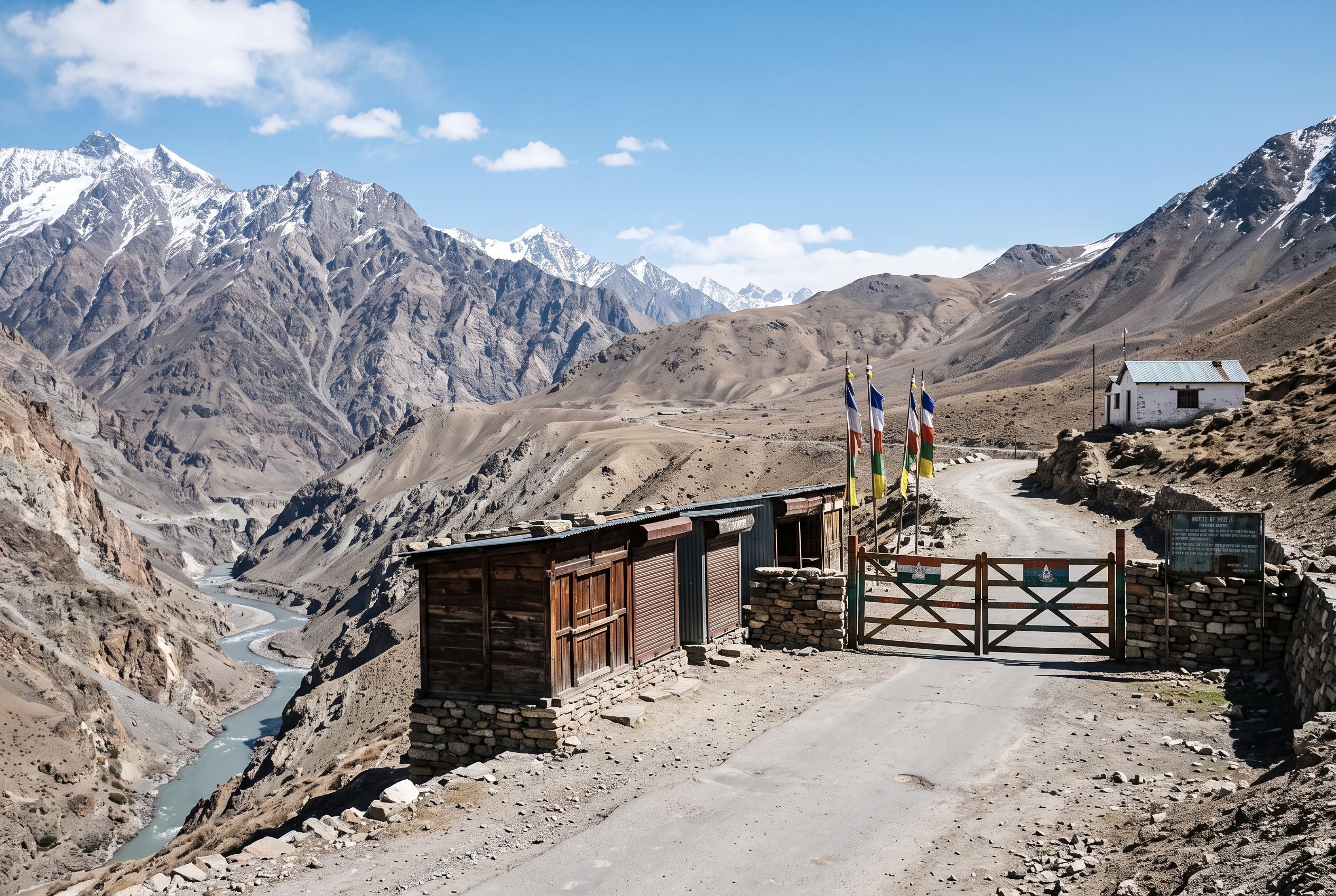

Traders at the India-China border in Himachal Pradesh have suspended cross-border exchanges over the imposition of IGST, challenging a centuries-old barter system and prompting calls for government intervention to preserve traditional trade practices.
Traders in Himachal Pradesh have halted participation in the revived Shipki La border trade with China after customs officials began levying integrated goods and services tax, or IGST, on imported goods, reopening a dispute that local communities say cuts against the barter-based nature of the centuries-old arrangement. The Indo-China Border Trade Union has asked Prime Minister Narendra Modi to intervene, arguing that the trade is not a cash transaction and should not be treated like a conventional commercial import-export business.
The stoppage comes just days after the route through Shipki La in Kinnaur district resumed following a six-year suspension. According to local officials, 16 registered traders crossed the border after a flag-off by Himachal Pradesh tribal affairs minister Jagat Singh Negi on September 1, completing trade worth about Rs 2.10 lakh before returning to the Indian side. But when customs officers at the Chupan Trading Centre calculated IGST on the goods brought back from China, the traders declined to take the products home.
Hishey Negi, president of the trade union, said the system is based on direct exchange between notified border villagers under the Indo-China Border Trade Agreement and involves no monetary payment. He said the goods are largely meant for household use by registered traders and their families, not for sale in open markets. Traders say applying IGST to items exchanged without cash creates an artificial taxable value and places an unfair burden on the communities involved.
Amit Kumar Sharma, the deputy commissioner of Kinnaur, said local traders had previously been told IGST would not be charged, but customs officials imposed it this time. He added that the memorandum sent to the prime minister’s office would be forwarded through the proper channel. The dispute threatens the early momentum of the trade’s revival, which had been prepared through review meetings on logistics and institutional readiness and was expected to run for a limited season with 20 designated items, including wool, pashmina and herbal medicines.
Disclaimer: This article is intended to inform and educate, not to recommend or endorse any financial product, investment or strategy. Please consider your own financial circumstances and seek professional advice where appropriate before making financial decisions.