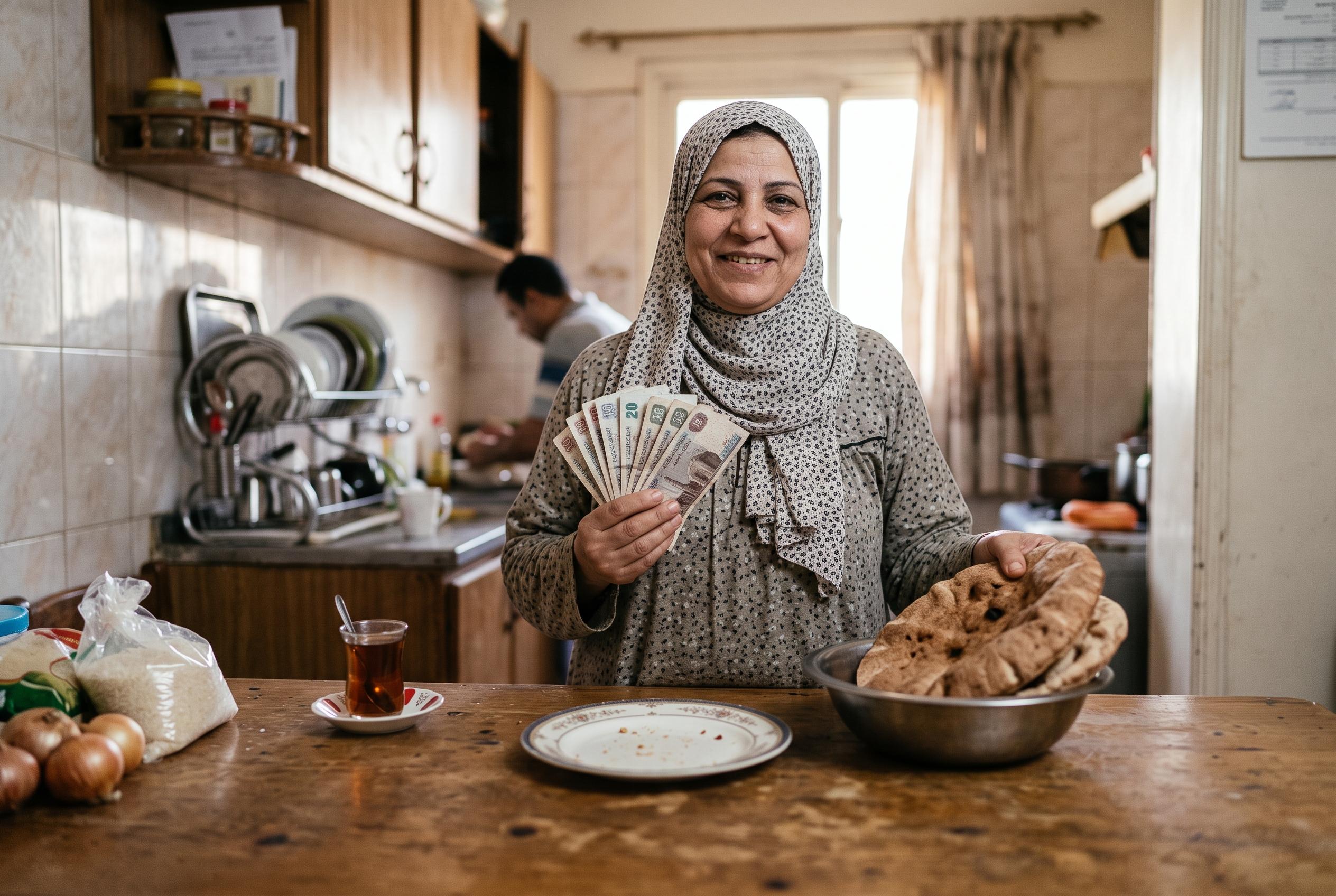

Egypt is exploring a new subsidy model combining cash support with basic goods to increase targeting, reduce waste, and offer households greater choice, reflecting international success stories in food aid delivery.
Combining cash support with basic goods is an economic upgrade that could make Egypt’s subsidy system more flexible, more targeted and less wasteful, according to Motaa Bechay, who heads the domestic trade and supply committee at the General Division of Importers within the Federation of Egyptian Chambers of Commerce. Bechay said the model would work like a financial wallet, giving households greater freedom to buy what they actually need rather than limiting them to a fixed basket of items.
He argued that the main gain for the state would be tighter control over public spending. By directing support more precisely to eligible families, he said, officials could reduce leakage into informal markets and curb misuse. That approach echoes international experience: the Food and Agriculture Organization says cash-and-voucher aid can deliver immediate relief while strengthening food security, especially when markets are functioning and families need flexibility in how they spend assistance. The World Food Programme has also said cash transfers can help recipients preserve dignity while supporting local commerce.
Bechay added that a mixed system could also lower the costs of storing, transporting and distributing physical goods. Those expenses have long weighed on subsidy schemes built around in-kind support, and the benefit delivery question is not new. A 1990s U.S. Government Accountability Office report found that electronic benefit transfer systems could reduce fraud, theft and other administrative problems in food aid programmes, while another GAO review noted that no single delivery method is clearly best on fraud control and cost. In practice, the efficiency of any system depends on how well it is designed and monitored.
For households, Bechay said the biggest advantage would be choice. Savings from lower consumption of some subsidised items, such as bread, could be redirected towards protein, dairy and pulses, improving diet quality and helping families stretch their purchasing power. The FAO has said unrestricted cash transfers can let poor households spend on what they value most, while the World Food Programme’s evidence reviews suggest cash-based aid works best when databases are updated regularly and benefit levels keep pace with inflation. Bechay said those two conditions would be essential if the reform is to protect vulnerable families and keep the wider market stable.
Disclaimer: This article is intended to inform and educate, not to recommend or endorse any financial product, investment or strategy. Please consider your own financial circumstances and seek professional advice where appropriate before making financial decisions.