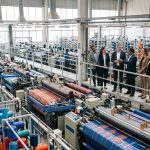

Despite El Niño-induced water shortages, Andhra Pradesh’s economy grew by over 10% in the second quarter of 2025-26, driven by strong performance across agriculture, industry, and services sectors, prompting government plans for continued resilience and growth.
Andhra Pradesh said its economy expanded 10.7% in the second quarter of 2025-26 even as El Niño weighed on farm output, with agriculture growing 13.5%, industry 10.6% and services 9.9%, according to an official release after Chief Minister N. Chandrababu Naidu reviewed the July economic report in Amaravati. Later government briefings pointed to an even stronger reading for the same quarter, with officials saying in December that gross state domestic product rose 11.28% to ₹4,00,377 crore, suggesting either a revision or a different reporting cut.
The state government said the latest numbers showed real gross state domestic product growth rising from 6.5% in 2023-24 to 9.9% in 2025-26, a pace it said had outstripped the national average for two consecutive years. In December, Naidu said gross value added also increased 11.30% in the quarter, with agriculture and allied activities up 10.70%, industry 12.20% and services 11.30%, all ahead of comparable national figures.
Naidu told officials to draw up detailed plans to keep growth on track despite the weather shock and to use technology more effectively across departments. He said poor rainfall and reduced water availability in the Krishna river had lowered reservoir levels at Srisailam and Nagarjuna Sagar, while groundwater was also falling, and noted that Godavari floodwater had been diverted to help irrigate the Krishna delta.
The chief minister also asked departments to work together to prevent any slowdown in output, relying on data-driven analysis, corrective action and tighter resource management. He called for contingency planning on water supply, agricultural value addition and exports, and said district, constituency and mandal-level reports should be prepared so targets could be monitored more closely. He also warned against any added burden on ordinary consumers and suggested a committee to study price pressures.
Disclaimer: This article is intended to inform and educate, not to recommend or endorse any financial product, investment or strategy. Please consider your own financial circumstances and seek professional advice where appropriate before making financial decisions.