
On Navami, Uttar Pradesh chief minister Yogi Adityanath presented claims of rising investment, factory numbers, jobs and start-ups as evidence of the state’s transformation under BJP rule.
Yogi Adityanath used Navami, the final day of Sharadiya Navratri, to cast Uttar Pradesh’s recent economic record as part of a broader political and social transformation, saying the state had moved from disorder to development under the BJP-led administration. Writing on X, the chief minister linked the festival’s reverence for the goddess Siddhidatri to his government’s pitch for a stronger, more confident Uttar Pradesh, with women playing a central role in the state’s progress.
Adityanath contrasted that message with a sharply critical account of the years before 2017, when he said violence, lawlessness and criminal networks had held back growth. He argued that the state’s image changed after the introduction of what he called a zero-tolerance approach to crime and a stronger rule of law, which he said helped turn Uttar Pradesh from a state associated with unrest into one he described as a place of celebration and opportunity.
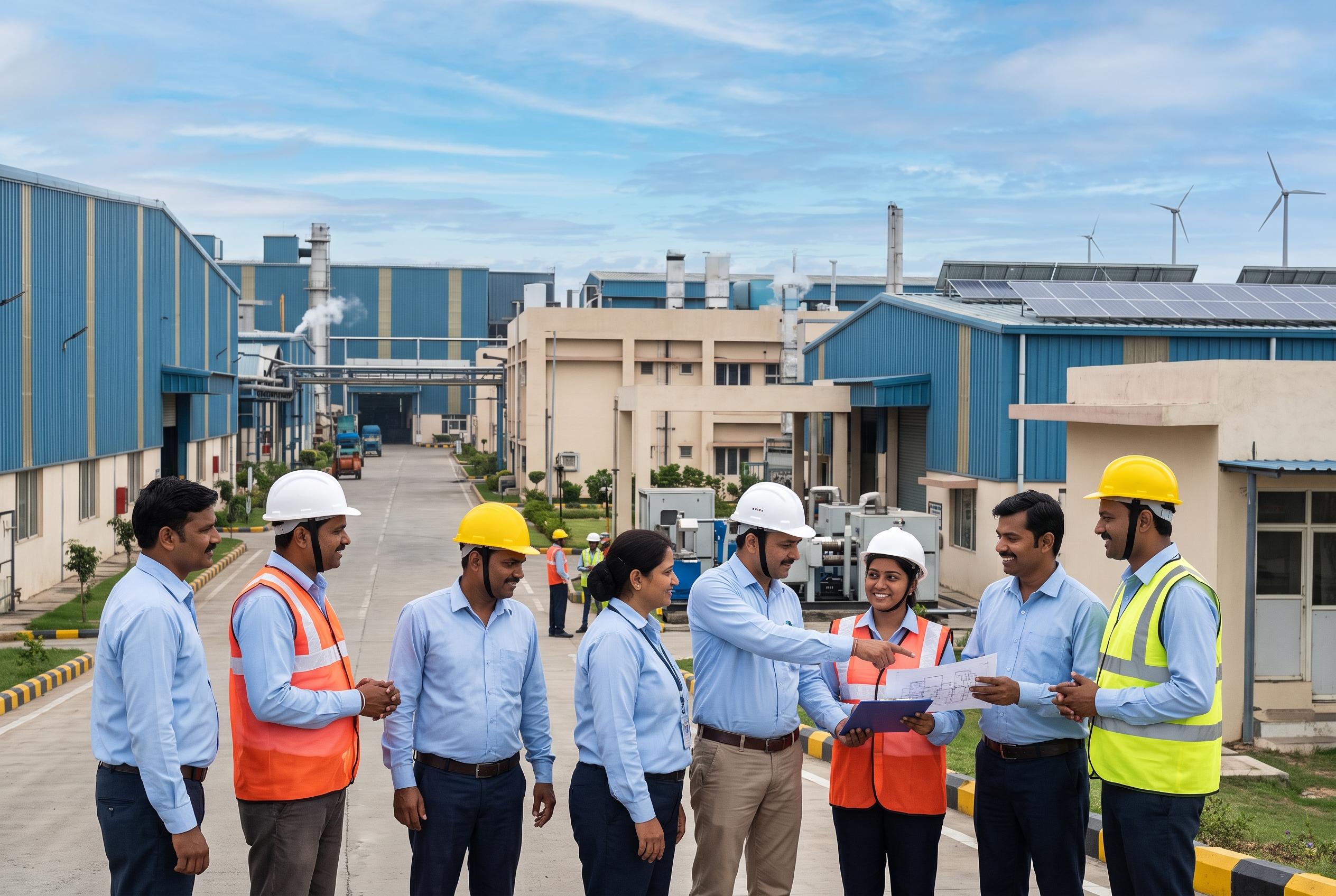
The chief minister also set out a string of economic claims intended to show the scale of that shift. He said the state’s gross state domestic product, per-capita income, budget and female labour force participation had all tripled over the past nine-and-a-half years. He said Uttar Pradesh remained revenue-surplus, had attracted investment proposals worth more than ₹50 lakh crore, and had seen the number of large factories rise from 14,000 to 35,000. He added that investment had generated jobs for more than 65 lakh people.
Several of those figures are consistent with the wider industrial narrative around Uttar Pradesh that has been building for years. The India Brand Equity Foundation has said about half of the investment committed at the 2018 Uttar Pradesh Investors Summit had translated into proposals, while the 2023 summit drew proposals worth about ₹33 lakh crore and was projected to create more than 90 lakh jobs. Business Standard also reported in May that Adityanath said the state had received investment proposals worth ₹50 trillion since 2017.
Other recent reports have pointed to similar momentum in manufacturing and start-ups. Nation Press said the chief minister has cited more than 96 lakh micro, small and medium enterprises, 35,000 large industries and 22,000 start-ups as evidence of the state’s changing economy, while a separate analysis by Livemint described how factory numbers had risen sharply since 2017 alongside a wave of sector-specific industrial policies. Drishti IAS, citing the Annual Survey of Industries 2023-24, said Uttar Pradesh had posted stronger growth than major industrial states in gross value added, factory count and employment, while GoodReturns reported that the state had become one of the country’s leading industrial hubs for jobs and units.
Adityanath also highlighted infrastructure and agriculture as part of the same story. He said Uttar Pradesh now accounts for 60% of India’s expressway network and that agricultural growth had accelerated from 8% to 18%. He said the state had provided 9.5 lakh government jobs through a transparent recruitment process, seen start-up numbers rise from 120 to more than 24,000, and revived the MSME sector to create more than 3 crore employment opportunities. Together, the claims were presented as proof of what the chief minister calls a “new India, new Uttar Pradesh” model: women-led social progress, industrial revival and a state government framing economic performance as the foundation of political change.
Disclaimer: This article is intended to inform and educate, not to recommend or endorse any financial product, investment or strategy. Please consider your own financial circumstances and seek professional advice where appropriate before making financial decisions.