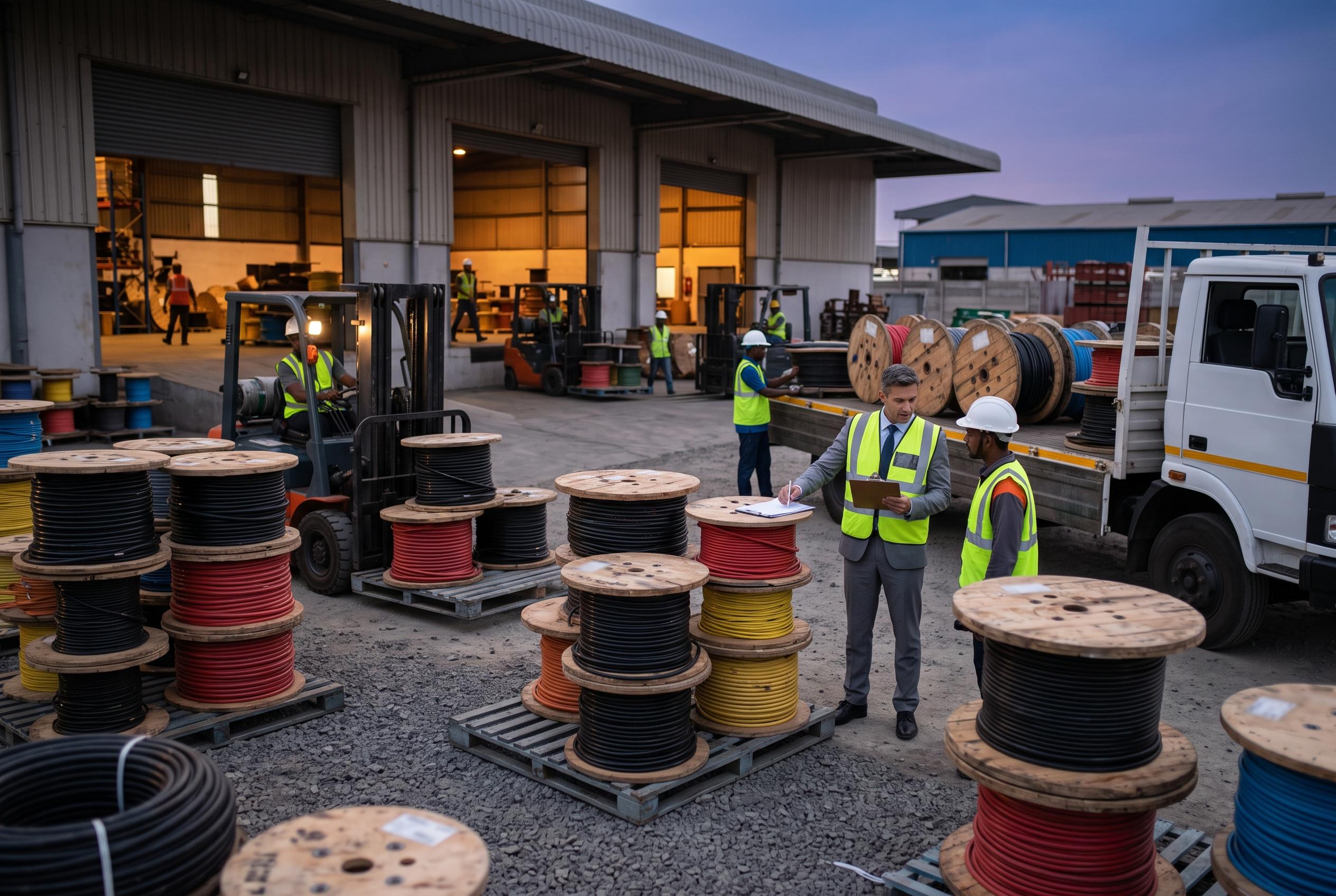

The launch of Ultravolt by Aditya Birla Group, backed by a Rs 1,800 crore investment, is shaking up India’s wires and cables sector, challenging established players with its extensive distribution network and ambitious growth plans.
Aditya Birla Group’s entry into India’s wires and cables market has rattled investors in a sector that had enjoyed years of steady growth and relatively limited disruption. The group launched Ultravolt on 3 September with an initial investment of Rs 1,800 crore, saying the business would start as the second-largest player in the wires segment by manufacturing capacity and aims to rank among the top two within five years. That ambition, backed by UltraTech Cement, immediately raised concerns among established names such as Polycab India, KEI Industries, Havells India and RR Kabel, whose shares came under pressure after the announcement.
The market’s reaction reflects not just the size of the new entrant, but the scale of the group’s distribution advantage. Aditya Birla Group said Ultravolt would be rolled out through more than 100,000 retailers, 5,000 UltraTech Building Solutions outlets, 500-plus districts and 6,000 pin codes, giving it a nationwide reach from the outset. The business is anchored by a manufacturing facility at Jhagadia in Gujarat, which began commercial production on 1 September. The company also said the wider wires and cables market in India was worth Rs 1,24,085 crore and is expected to grow at an annual rate of 14.50% through 2035, driven by housing, infrastructure, industrial spending and electrification.
Analysts say the immediate threat to incumbents is less about a sudden collapse in revenues than about pressure on margins. Manish Valecha, co-head of research at Anand Rathi Institutional Equity, said the Aditya Birla Group’s ties to Hindalco give Ultravolt access to high-purity copper and greater supply-chain control, though not a guaranteed cost edge because copper is traded globally. That distinction matters at a time when copper prices have surged to record highs on the London Metal Exchange, raising input costs across the industry. Valecha said established companies may need to spend more on dealer incentives, advertising and promotions to defend their positions, especially in the house-wire segment that is most exposed to direct competition.
The group’s playbook has drawn comparisons with Birla Opus Paints, where an aggressive launch helped it gain share quickly in a market long dominated by Asian Paints. But wires and cables are a more technical business than decorative paints, and the higher-value segments require certifications, customer approvals and execution history. Valecha said that makes it harder to rely on distribution alone, while Ashutosh Murarka of Choice Institutional Equities said the key test will be how quickly Ultravolt can build dealer relationships, set pricing and convert scale into market share over the next two to three quarters. Nomura has estimated that Ultravolt could reach a 6% to 7% market share by FY30 if conditions remain supportive, but for now the more likely effect is a squeeze on profits rather than an immediate upheaval in sales.
Disclaimer: This article is intended to inform and educate, not to recommend or endorse any financial product, investment or strategy. Please consider your own financial circumstances and seek professional advice where appropriate before making financial decisions.