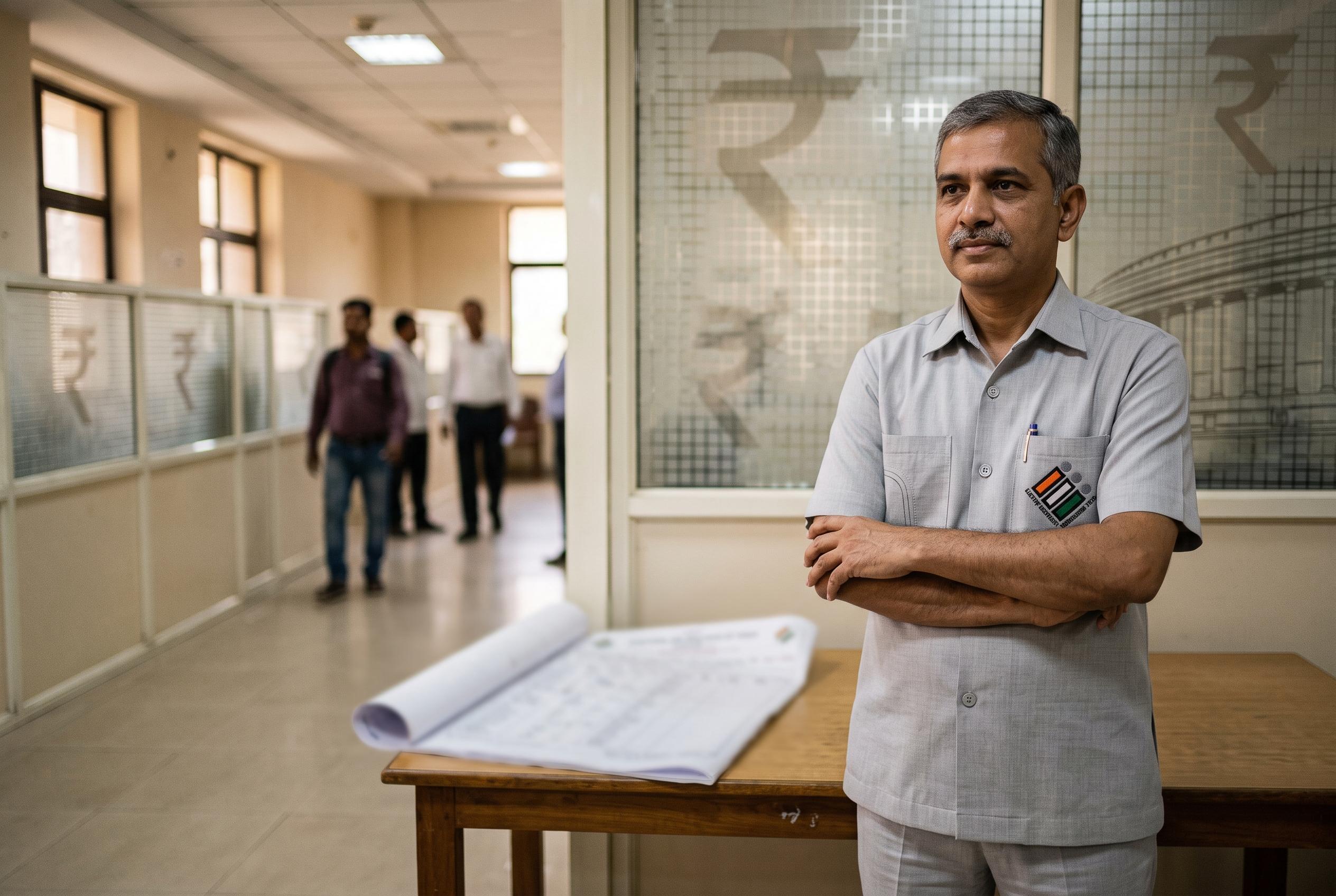

Fraudsters are exploiting India’s electoral roll revision by impersonating Election Commission officials, creating a new wave of scams that have already caused significant financial losses among unsuspecting citizens amid a nationwide clean-up drive.
Scammers are taking advantage of India’s Special Intensive Revision of electoral rolls by posing as Election Commission officials and telling people their self-enumeration forms have been rejected or contain errors, according to reporting by the Quint. The fraud appears designed to panic recipients into sharing banking information or installing suspicious files on their phones, turning a routine civic process into a criminal lure.
The Quint said the pattern has already led to steep losses, including nearly 3.5 lakh rupees from a Bengaluru technology worker and more than 4 lakh rupees from a senior citizen in Pune after both were told their forms were flawed. The tactic relies on urgency and official-sounding language, making the messages appear plausible to people who are unfamiliar with the revision process.
The scam is unfolding against the backdrop of a far larger electoral clean-up drive. The Economic Times reported that the Special Intensive Revision has removed more than 5.8 crore names from electoral rolls across 12 states and Union Territories over the past year, with the Election Commission saying the effort is aimed at duplicate and ineligible entries. Opposition parties have accused the exercise of disenfranchisement, while the Supreme Court has upheld its validity.
The revision itself is a detailed verification exercise run by the Election Commission through Booth Level Officers, involving household-level checks and digital verification, according to explanatory material from India Inputs. NDTV reported that the Commission has defended its authority to decide how often the process is carried out, saying that mandatory regular revisions would intrude on its jurisdiction. In that setting, any message claiming a form has been “rejected” or that urgent payment is needed should be treated with caution.
Disclaimer: This article is intended to inform and educate, not to recommend or endorse any financial product, investment or strategy. Please consider your own financial circumstances and seek professional advice where appropriate before making financial decisions.