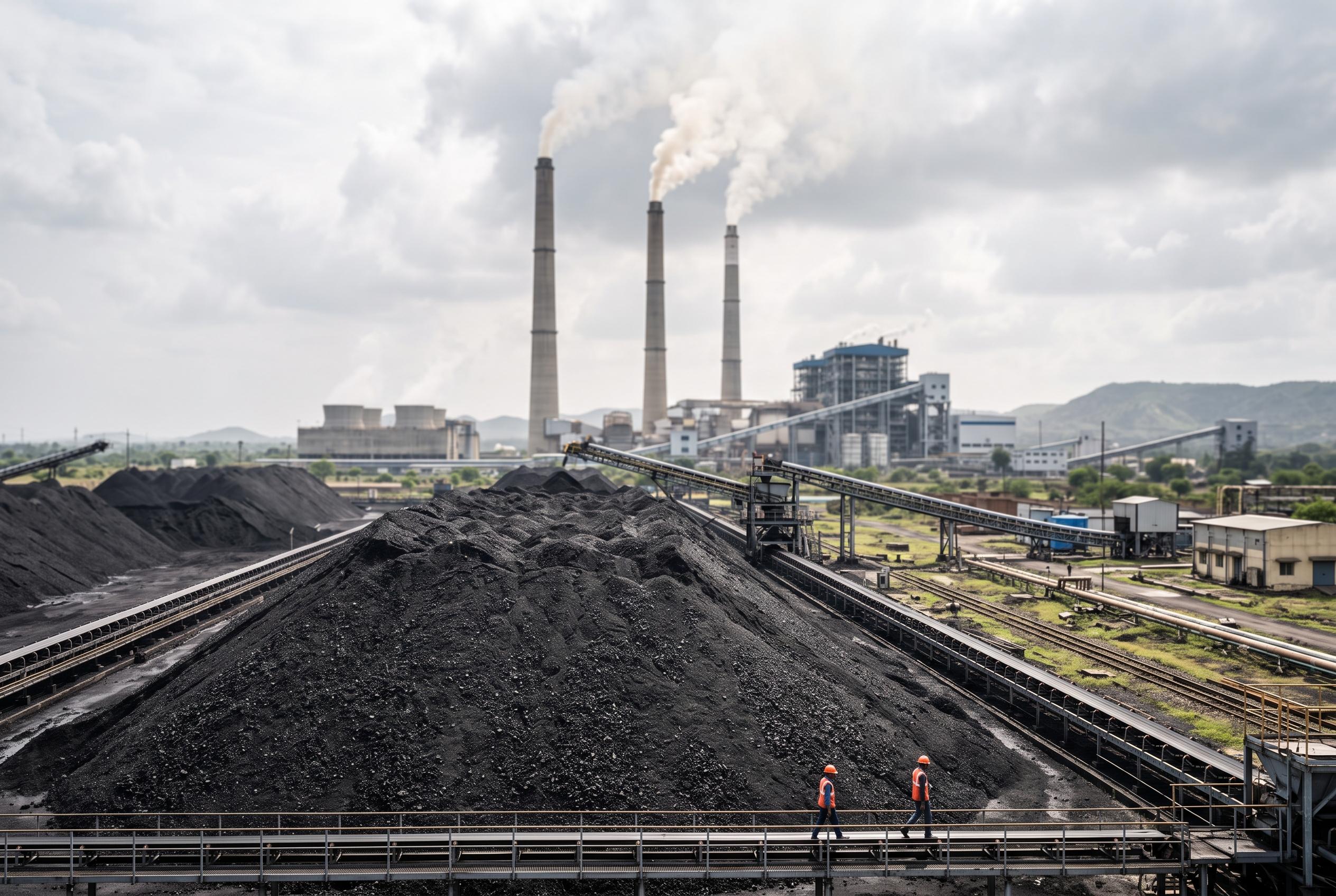

India leads a dramatic increase in planned coal capacity, propelling a global rise amid falling new coal mine developments worldwide, highlighting its stance on energy security versus global clean energy efforts.
India has become the main driver of a worldwide rise in plans for new coal power capacity, according to data from Global Energy Monitor cited by Reuters. The research shows proposed coal-fired generation in India jumped to 638 million metric tons a year last year, up from 329 million the year before, helping push the global total 11% higher.
That increase comes even as much of the world is trying to slow the use of coal, the most carbon-intensive fossil fuel. Global Energy Monitor said new coal mine additions around the world fell by almost 40% last year to 113 million metric tons a year, underscoring the gap between India’s energy strategy and the broader clean energy transition.
India’s government is also pressing ahead with higher domestic coal output. It is targeting 1.15 billion metric tons in the current fiscal year and 1.5 billion metric tons in fiscal 2026/27, according to the figures cited by Oilprice. The move reflects New Delhi’s view that coal remains central to energy security as electricity demand rises alongside industrial growth and urbanisation.
Officials and policy advisers have argued that coal will remain part of India’s power mix for years to come. NITI Aayog, the government’s policy think tank, has said the fuel is likely to stay important for the next two decades, while some power stations have already shifted a larger share of their fuel use to domestic supply as India works to cut thermal coal imports.
Disclaimer: This article is intended to inform and educate, not to recommend or endorse any financial product, investment or strategy. Please consider your own financial circumstances and seek professional advice where appropriate before making financial decisions.