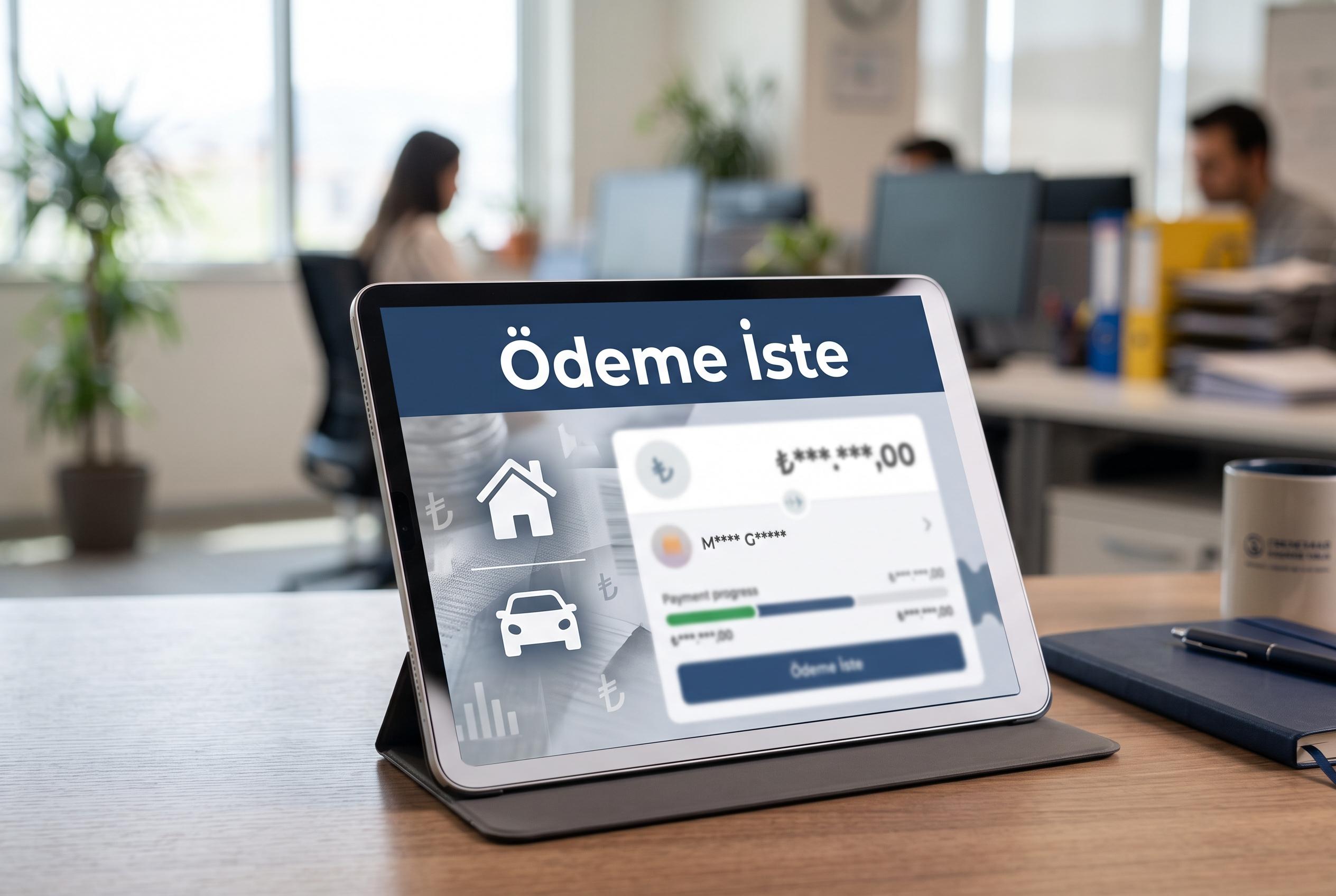

Cyber fraudsters are manipulating Turkey’s ‘Ödeme İste’ transfer feature to deceive sellers in online vehicle and property sales, prompting urgent security warnings and advice from experts on how to recognise and prevent these scams.
Banks’ “Ödeme İste” feature, designed to make transfers easier between people who know each other, is being twisted by cyber fraudsters into a deposit scam, particularly in online vehicle and property sales. The warning, first highlighted by Anadolu Agency, comes as victims continue to describe similar incidents on social media and consumer complaint sites, suggesting the method is spreading quickly and catching sellers off guard.
According to forensic expert Ali Murat Kırık, the scam typically begins with a convincing approach: the fraudster poses as a buyer, often claiming to be a civil servant or someone calling from out of town, then haggles over the price to build trust. Once the seller thinks a deposit is on the way, the criminal sends a payment request through mobile banking, but enters the seller’s IBAN details and a large sum, making the notification look like an incoming deposit rather than a transfer request from the buyer. If the seller approves it without reading the screen carefully, the money is sent out of the seller’s own account.
Kırık told Anadolu Agency that the description field can also become important evidence. If the transfer is left without a clear explanation, it may be harder later to prove the payment was part of a sale rather than a debt or another private arrangement. He advised users to make sure any deposit request is clearly labelled, such as with a note indicating it is for a listing deposit, and to be sceptical of anyone pressing them to approve quickly with lines such as “Onay gelecek, onaylamanız gerekir.” or claims that they are out of town and need the payment handled immediately.
Victims who suspect they have been targeted are being urged to call their bank at once and report the transaction as suspicious, especially if it is still pending and can be stopped. Kırık said they should preserve documents, screenshots, IBAN details and mobile banking records, then file a criminal complaint with prosecutors and, if necessary, submit a written request to the bank or pursue consumer court action. He also warned that safe-shopping systems on listing sites should not be switched off to avoid fees, and said anyone claiming to be a notary, judge, prosecutor or notary employee over the phone should not be trusted, as the real institutions do not work that way.
Disclaimer: This article is intended to inform and educate, not to recommend or endorse any financial product, investment or strategy. Please consider your own financial circumstances and seek professional advice where appropriate before making financial decisions.