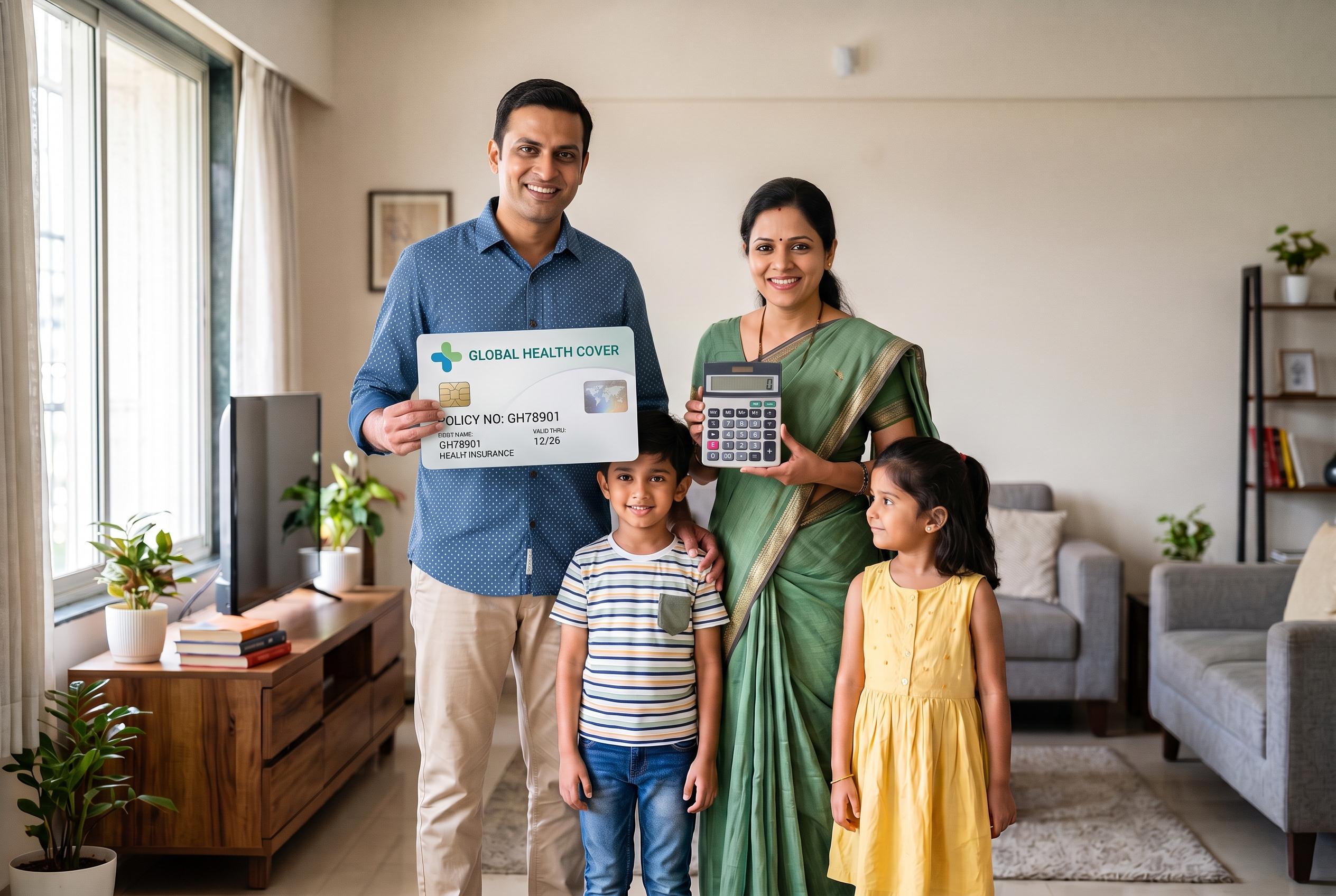

A parliamentary committee in India has advocated for more affordable and transparent health insurance options for middle-income households, aiming to ease the financial burden of private healthcare amid ongoing policy debates.
A parliamentary panel in India has called for cheaper, broader health insurance products aimed at middle-class households, along with clearer pricing for treatment in private hospitals, in a move that reflects mounting concern over the cost of care for families that sit outside the main government safety net.
The Department-related Parliamentary Standing Committee on Health and Family Welfare set out the proposals in its 176th report, titled “Affordability and Accessibility of Healthcare Facilities in Public and Private Sector”, which was adopted on August 6 and later laid before Parliament. According to the committee, many middle-income families remain exposed to heavy medical bills because they are not covered by state-funded schemes but still face rising premiums and large out-of-pocket costs when they turn to private providers.
The report also presses for standardised and transparent treatment packages, saying patients should be able to understand likely charges before or during treatment. That recommendation comes against a backdrop of wider policy debate over hospital billing practices and benchmark pricing, as India tries to make private healthcare less financially unpredictable. Government data cited in the report show that 45.5% of rural residents and 31.8% of urban residents are covered under government health insurance or financing schemes, but affordability remains a significant problem for those depending on private care.
The panel’s recommendations arrive as the Ayushman Bharat programme continues to expand. Government and industry data show the flagship scheme has issued tens of millions of Ayushman cards, empanelled more than 36,000 hospitals and authorised well over 100 million hospital admissions. As of late June, official figures put approved claims at more than ₹1.92 lakh crore, while the scheme offers up to ₹5 lakh a year in cover for secondary and tertiary hospitalisation for eligible families. The committee’s push, if accepted, would add to that effort by focusing on the uninsured middle class and on making hospital bills easier to anticipate.
Disclaimer: This article is intended to inform and educate, not to recommend or endorse any financial product, investment or strategy. Please consider your own financial circumstances and seek professional advice where appropriate before making financial decisions.