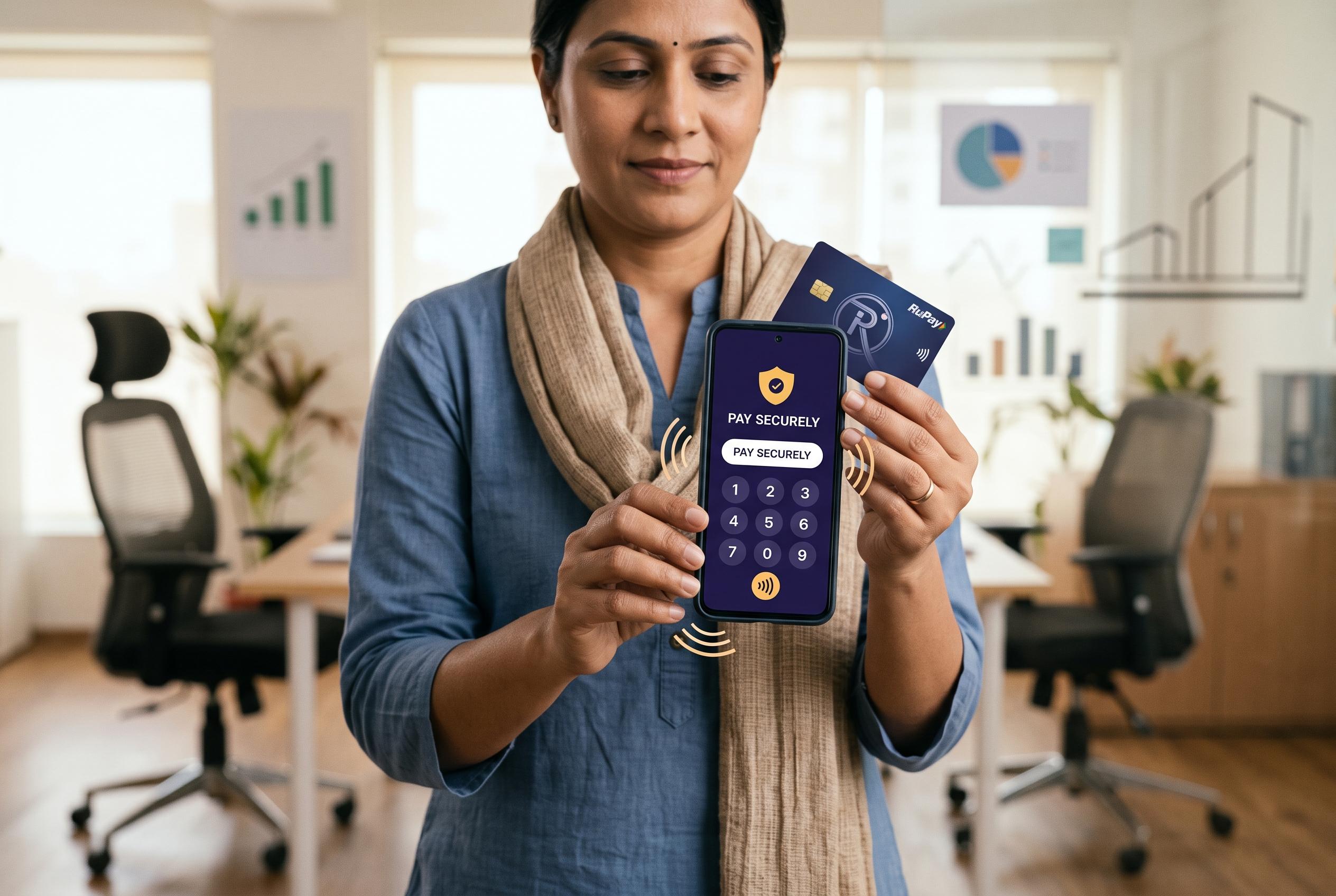

PayU has introduced India’s first RBI-compliant payment checkout designed to enable visually impaired users to complete transactions independently, highlighting a significant step towards inclusive digital payments in India.
PayU has launched what it describes as India’s first RBI-compliant payment checkout built for blind and visually impaired users, in a move that reflects growing pressure on fintech firms to make digital payments easier to use without assistance. The checkout is intended to help users move through the payment journey independently, from choosing a payment method to checking the amount and completing the transaction. According to Business Today, the company says the feature is designed to reduce the friction that can make conventional checkout pages difficult to use with screen readers.
The system includes screen-reader optimisation, adaptive user profiles, visual inclusion modes and text resizing. Users can also adjust practical interface settings such as cursor size, button dimensions and navigation aids, with preferences saved for future use. PayU says that means customers do not need to reconfigure accessibility settings every time they pay. The checkout also supports people with low vision, colour blindness or light sensitivity through high-contrast, greyscale, colour inversion and saturation options, while text can be enlarged to 200% without obscuring other elements on the page.
Manas Mishra, chief product officer at PayU and Wibmo, said financial inclusion depends on people being able to use digital payments independently, and described accessibility as a core design principle. Prashant Ranjan Verma, general secretary of the National Association for the Blind, Delhi, said he was able to complete a UPI payment on his own using VoiceOver, while welcoming the company’s effort and urging continued improvements. PayU said merchants already using its payment gateway do not need to change their integrations, as the accessibility functions are built into the checkout experience itself. The launch comes as online payments are woven more deeply into daily life, making independent access to shopping and bill payment more important for users who are blind or partially sighted.
Disclaimer: This article is intended to inform and educate, not to recommend or endorse any financial product, investment or strategy. Please consider your own financial circumstances and seek professional advice where appropriate before making financial decisions.