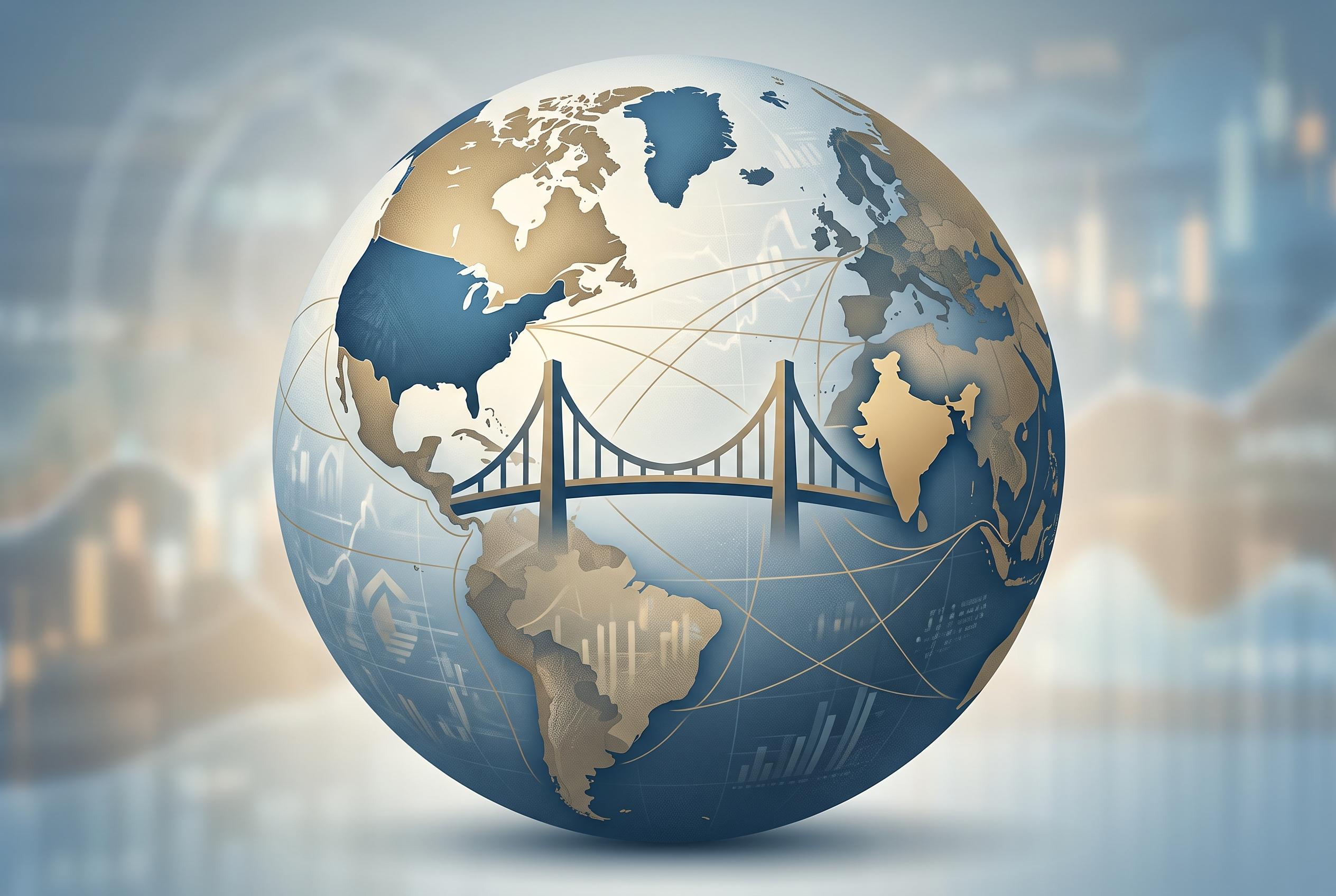

A senior White House adviser has predicted an upcoming settlement to the tariff conflict between the United States and India over Moscow’s oil imports, even as new US legislation threatens to escalate trade tensions.
A senior White House aide has said he expects the tariff row between Washington and New Delhi over India’s purchases of Russian oil to be settled, even as the Trump administration keeps pressure on one of the United States’ most important strategic partners.
Peter Navarro, the White House trade adviser, said President Donald Trump and Indian Prime Minister Narendra Modi have a strong working relationship and will resolve the issue themselves. His comments come after the US Senate backed legislation that could give the administration power to impose duties of up to 100% on imports from major buyers of Russian oil and gas, adding a fresh layer of uncertainty to a dispute that has already spilled into trade policy.
The standoff comes against the backdrop of earlier punitive action by Washington. In August 2025, the White House said Trump signed an executive order imposing an additional 25% tariff on imports from India because of its direct or indirect purchase of Russian oil. By February 2026, the administration had issued another order reinforcing that stance, while the United States and India also announced a framework for an interim trade agreement aimed at cutting or reducing tariffs on a range of American industrial and agricultural goods.
India has defended its energy policy as a response to market conditions and domestic demand. Official Indian data cited in the report showed Russia’s share of India’s oil imports rising above 40% in May, the highest level in nearly two years, while purchases of Russian crude in June reached 8.7 million metric tonnes, up 25% from a year earlier. New Delhi has also sought to diversify its supply base, including through imports from Iran and Venezuela, even as it tries to balance ties with both Washington and Moscow.
Disclaimer: This article is intended to inform and educate, not to recommend or endorse any financial product, investment or strategy. Please consider your own financial circumstances and seek professional advice where appropriate before making financial decisions.