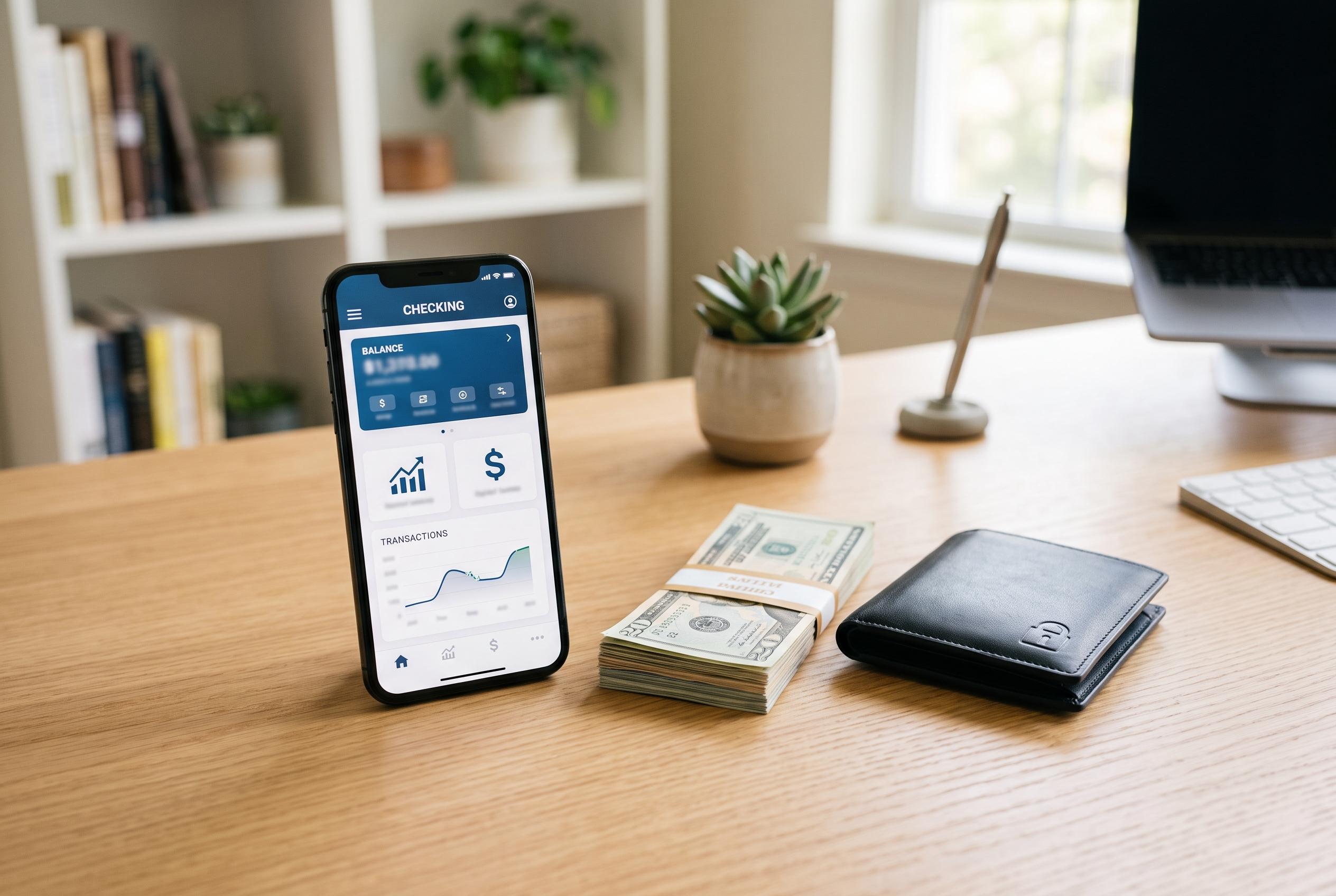

Online checking accounts have become a popular choice for consumers seeking better rates and round-the-clock digital access, but questions around security and physical cash handling remain significant considerations.
Online checking accounts have moved from niche convenience to a mainstream option for many consumers, largely because they can offer better rates and lower charges than accounts at branch-based banks. Investopedia says the appeal comes from leaner operating costs, which some providers pass on through higher annual percentage yields and reduced fees. The trade-off is that customers give up the ability to walk into a branch, speak to a banker in person or hand over cash easily.
One of the strongest selling points is ease of use. SmartAsset and NerdWallet both note that online banks typically allow customers to deposit cheques by smartphone, move money between accounts and monitor balances at any time without visiting a branch. That round-the-clock access can make online checking especially attractive for people who manage most of their finances on their phones or prefer not to rely on traditional opening hours.
The financial benefits can be meaningful too. Investopedia notes that online banks have historically offered checking yields far above the US average, while Firstcard says many online accounts also waive monthly maintenance fees, minimum balance charges and, in some cases, overdraft costs. Many providers also reimburse out-of-network ATM charges, which can help offset the fact that they usually do not operate their own cash machines.
These accounts are not without drawbacks. Investopedia and Fox Business both point out that online customers may have to resolve problems by phone or chat rather than face to face, which can be frustrating when an issue is urgent. SuperMoney also notes that cash handling is often more awkward, since online banks may rely on partner ATM networks or money orders rather than branch tellers for physical deposits.
Security remains another major consideration. LegalClarity says online banks use layered protections such as authentication checks and other safeguards, but customer vigilance still matters because fraudsters can target login details and devices. That means keeping phones and computers updated, using strong passwords and watching carefully for scams. FDIC insurance applies to deposits at insured online banks just as it does at branch-based institutions, which offers an important backstop, but it does not eliminate the need for good digital security.
For many consumers, the choice comes down to priorities. If the goal is convenience, lower fees and stronger digital tools, an online checking account may be a good fit. If personal service, easy cash deposits and branch access matter more, a traditional bank may still be the better option.
Disclaimer: This article is intended to inform and educate, not to recommend or endorse any financial product, investment or strategy. Please consider your own financial circumstances and seek professional advice where appropriate before making financial decisions.