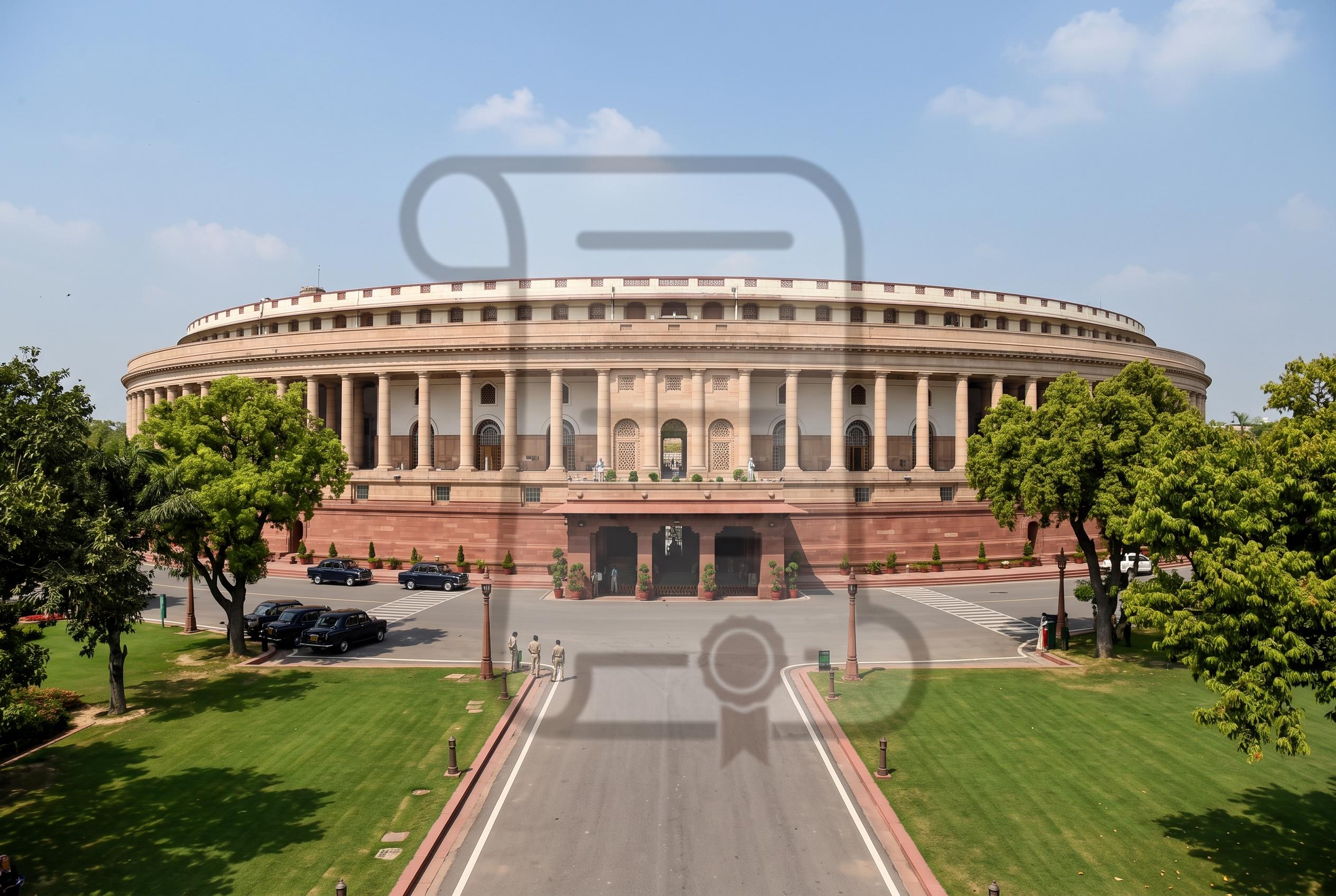

The Indian Parliament has decided to send the Foreign Contributions (Regulation) Amendment Bill, 2026, to a joint committee to refine provisions and ensure that legitimate institutions are protected from undue state pressure while enhancing transparency and accountability.
The Union government’s decision to refer the Foreign Contributions (Regulation) Amendment Bill, 2026, to a joint parliamentary committee is a prudent one. The move gives Parliament space to test the bill’s central aim , tighter oversight of foreign money entering India , against concerns that the draft, as written, could expose legitimate institutions to needless state pressure. According to commentaries in the Deccan Chronicle and Deccan Herald, the stronger case for reform is not in doubt; the real question is whether the bill can be sharpened without making bona fide recipients operate under constant uncertainty.
The need for closer scrutiny is especially clear in the provisions that would allow the government to take over facilities or assets linked to organisations that lose FCRA registration through expiry, surrender or prolonged inactivity. Critics have argued that this goes too far because the decision appears to rest with the executive alone, with no meaningful judicial check. The Hindu reported that Union Home Minister Amit Shah separately told church leaders that the bill would not be applied retrospectively, a reassurance echoed by other reports on his meeting with religious leaders. Even so, concerns remain that the draft could still unsettle institutions whose registrations have already lapsed or are under renewal.
That is why the committee stage matters. Oversight of foreign contributions is a legitimate state function, particularly where transparency and legal purpose are concerned. But the law must also distinguish between abuse and ordinary compliance failures, and it should not treat long-standing schools, charities or religious bodies as if they were presumptively suspect. If the JPC narrows the takeover powers, adds clearer safeguards and removes any hint of retrospective punishment, it could produce a bill that strengthens accountability without undermining work that serves the public good.
For the government, the referral is an admission that consultation was needed; for the Opposition, it is evidence that pressure worked. More importantly, it offers a chance to turn a contentious draft into a law that is both firmer and fairer. That balance, rather than victory for either side, is what Parliament should now aim to secure.
Disclaimer: This article is intended to inform and educate, not to recommend or endorse any financial product, investment or strategy. Please consider your own financial circumstances and seek professional advice where appropriate before making financial decisions.