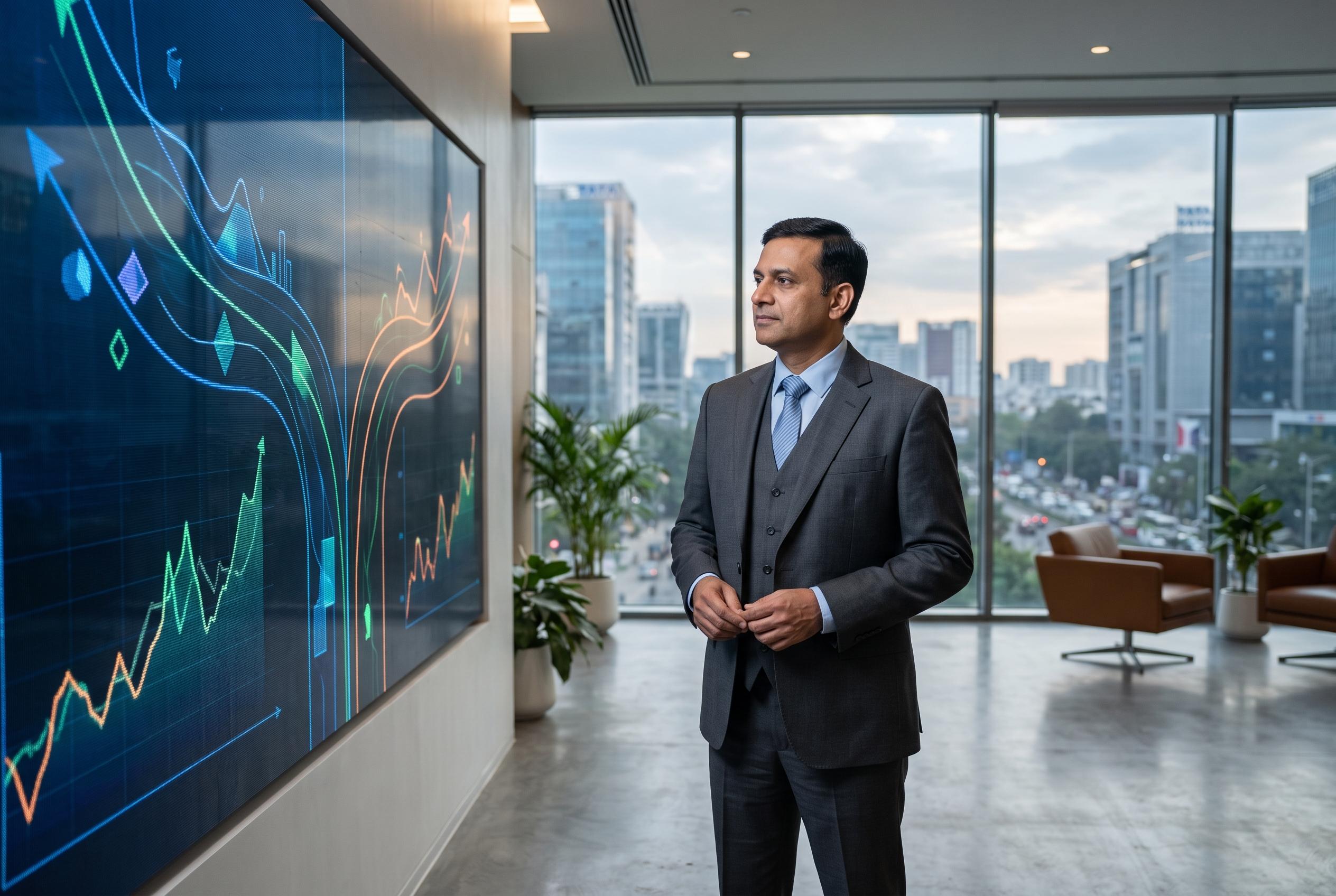

N. Chandrasekaran’s plans to leave Tata Sons in 2027 face uncertainty amid internal disagreements and strategic questioning, signalling a pivotal moment for India’s industrial giant.
N. Chandrasekaran’s plan to leave the top job at Tata Sons when his term ends on February 20, 2027, marks a difficult moment for one of India’s most influential business groups. The departure comes as the 157-year-old conglomerate is wrestling with questions about leadership, strategy and internal alignment, issues that have become more visible since Ratan Tata’s death. Chandrasekaran, 63, has spent four decades with the Tata Group and was hand-picked by Tata to lead the holding company. Yet the group now appears to be confronting a broader reassessment of its purpose and direction.
The strain has been evident in several fronts. Reporting in Mint, Moneycontrol and Financial Express has pointed to a postponed decision in February 2026 on Chandrasekaran’s reappointment, with objections reportedly raised by Tata Trusts chairman Noel Tata over losses at businesses including Tata Digital and Air India. Those accounts suggest concern not only about performance but also about how the group intends to manage its newer, capital-hungry ventures while keeping Tata Sons private. The Reserve Bank of India’s stance on large non-banking financial companies and the group’s retail strategy have also fed the sense that Tata’s roadmap is unsettled.
That uncertainty has collided with the question of succession and tenure. Business Standard reported in October 2025 that Tata Trusts had approved the possibility of a third executive term for Chandrasekaran, despite the group’s retirement policy requiring executives to step down at 65. NDTV later reported that the trust’s approval could extend his time at the helm to 2032, underscoring how unusual the arrangement would be for a Tata executive. But the follow-through appears to have stalled, adding to the impression that the group’s governance machinery has not reached a settled view.
For a conglomerate that employs more than 1 million people directly and much more through its wider ecosystem, the stakes are unusually high. Tata Consultancy Services, the group’s most reliable earnings engine, is itself facing pressure from artificial intelligence, while losses in newer businesses raise tougher questions about capital allocation. The larger issue now is whether the Tata stakeholders can restore clarity and choose a chairperson whose leadership reflects the group’s legacy of public purpose as well as commercial discipline. Without that reset, the risk is not simply a leadership vacuum but a strategic drift at a company that remains central to India’s industrial story.
Disclaimer: This article is intended to inform and educate, not to recommend or endorse any financial product, investment or strategy. Please consider your own financial circumstances and seek professional advice where appropriate before making financial decisions.