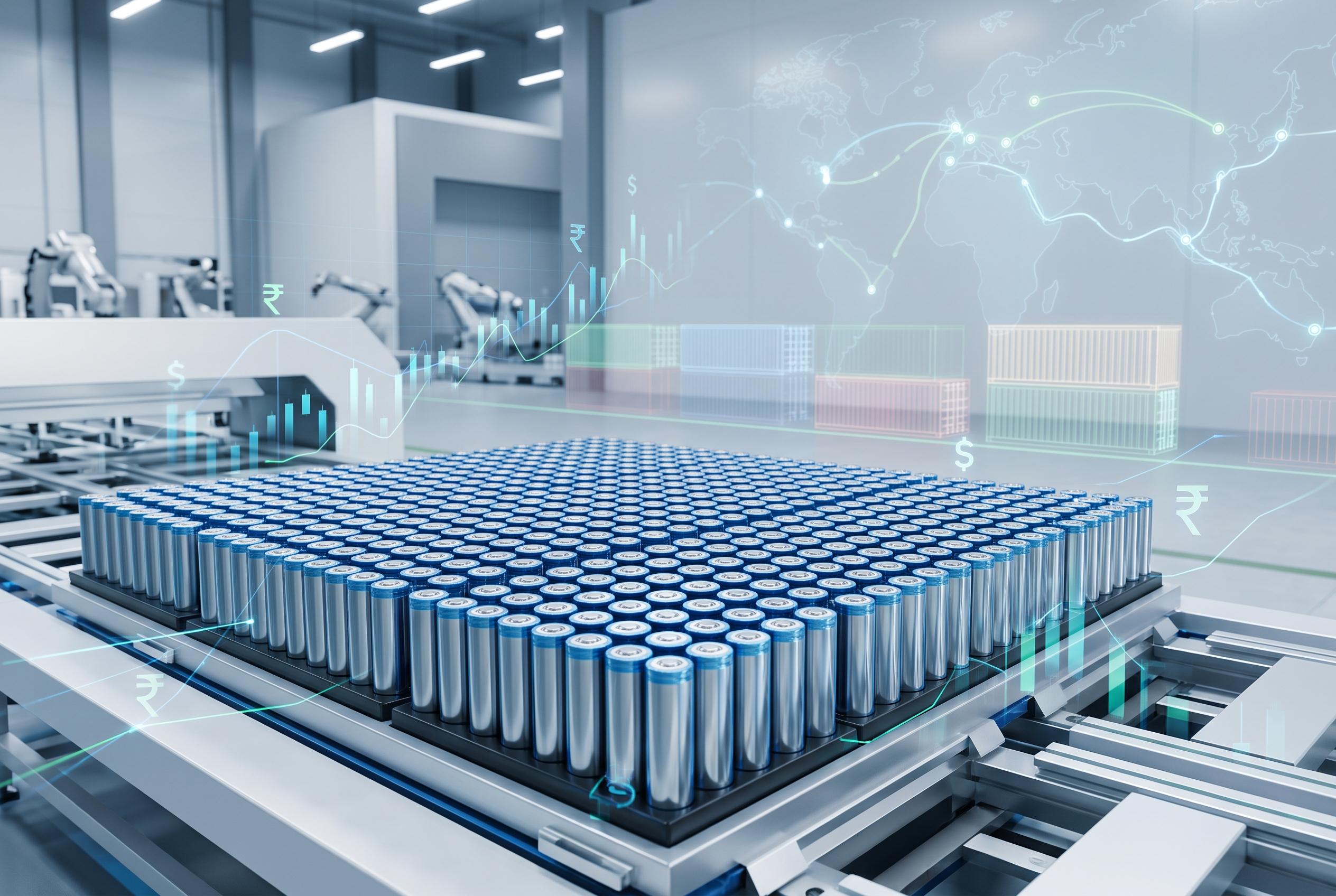

As global EV demand surges, Tata Motors faces industry-wide battery shortages but is taking steps to ramp up capacity and secure domestic supply, signalling a pivotal shift in India’s e-mobility landscape.
Tata Motors has said the rapid rise in electric vehicle demand is exposing a familiar weak point in the industry: battery cells must be ordered well in advance because supplies take time to arrive. The company said it has already moved to ease the pressure and expects its EV supply chain to be largely back on track towards the end of the second quarter, with procurement actions intended to remove the current bottlenecks.
The comments come against a backdrop of strong momentum in Tata Motors’ passenger vehicle business. Autocar Pro reported that Tata Motors Passenger Vehicles increased sales by 69% year on year in June, delivering 63,083 cars and SUVs, although shortages in casting components slowed output of the Sierra and delayed deliveries despite a sizeable order book. The company is also said to be lifting component sourcing from selected vendors to speed up supply from the second quarter.
Industry-wide constraints are not limited to Tata Motors. Data from India’s commerce ministry show lithium-ion cell imports jumped 64% year on year to ₹41,667 crore in FY26, after rising fivefold over the past five years. The numbers underline how dependent manufacturers remain on overseas supply even as domestic EV demand continues to build.
Tata Motors is also expanding capacity to keep pace with that demand. A separate report said the company is targeting a 50% increase in EV output, with plans to reach 15,000 units a month from the next quarter. Another report said it is working towards annual manufacturing capacity of 1.3 million vehicles over the next three years across petrol, CNG and electric models.
The wider Tata ecosystem is moving in the same direction. According to reports, Agratas, the group’s battery arm, has secured funding and supply agreements linked to future electric vehicle production, including a deal with Jaguar Land Rover. But Agratas has also faced project delays in Britain, with The Guardian reporting that construction issues have pushed back the start of battery production there, a reminder that the race to localise cell supply remains difficult.
On the financial side, Tata Motors reported consolidated revenue of about ₹20.7K crore in the first quarter of FY27, up 19% from a year earlier. EBITDA margin was 10.9%, down 90 basis points, while profit after tax rose 83% to about ₹2.6K crore. The company also said its proposed Iveco transaction is progressing, with only one regulatory approval still outstanding in Spain.
Disclaimer: This article is intended to inform and educate, not to recommend or endorse any financial product, investment or strategy. Please consider your own financial circumstances and seek professional advice where appropriate before making financial decisions.