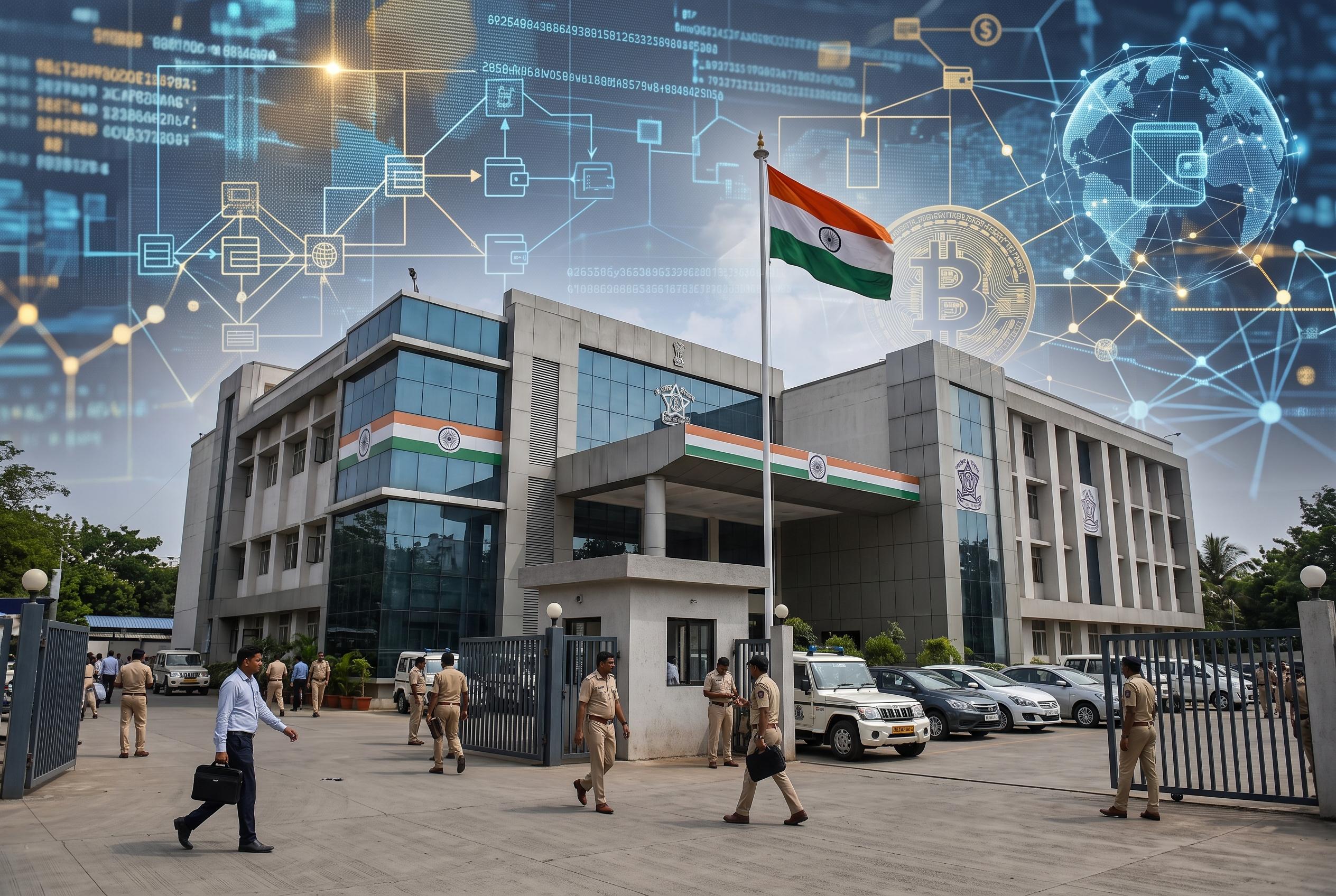

Authorities in Pune have traced a complex money trail involving over 5,400 bank accounts across India, leading to a major digital scam targeting an elderly businessman, with funds eventually converted to cryptocurrency and linked to international suspects.
Pune cyber police have traced what they describe as a highly layered money trail in a Rs 10.74 crore “digital arrest” scam that targeted an 82-year-old retired businessman, with investigators saying the stolen funds were moved through 5,436 bank accounts across the country before being turned into cryptocurrency and cash.
Senior Inspector Swapnali Shinde said the probe shows Rohan Rameshwar Jadhav, 26, played a central role not only in managing mule accounts but also in converting part of the proceeds into USDT, a cryptocurrency commonly used to move funds across borders. Police say the digital trail ultimately led to wallets linked to suspects operating overseas.
The victim, a former owner of an assembly unit for food processing machinery, was allegedly tricked between January 23 and 31 by fraudsters posing as officials from the Telecom Regulatory Authority of India, the Central Bureau of Investigation and even the judiciary. According to police, he was told his mobile number and bank account were linked to a criminal case, forced into an online hearing with a fake judge and warned that he faced years in prison if he disclosed anything.
Investigators said the fraudsters kept him on video calls for long stretches and persuaded him to transfer money in seven transactions to accounts they claimed belonged to the Reserve Bank of India for “verification”. The deception was uncovered only after he told his daughter, who alerted police. Earlier arrests in the case included Harshad Subhash Dhantole, Samarth Suresh Deshmukh, Amar Attargi and Pranav Karansingh Arya.
Police said they have frozen Rs 1.34 crore so far, but the wider recovery effort remains difficult because the money was split repeatedly across account layers in multiple states before being consolidated again. Investigators said the structure created deliberate gaps in the trail, making it harder to identify account holders, handlers and the people directing the network from outside India.
Disclaimer: This article is intended to inform and educate, not to recommend or endorse any financial product, investment or strategy. Please consider your own financial circumstances and seek professional advice where appropriate before making financial decisions.