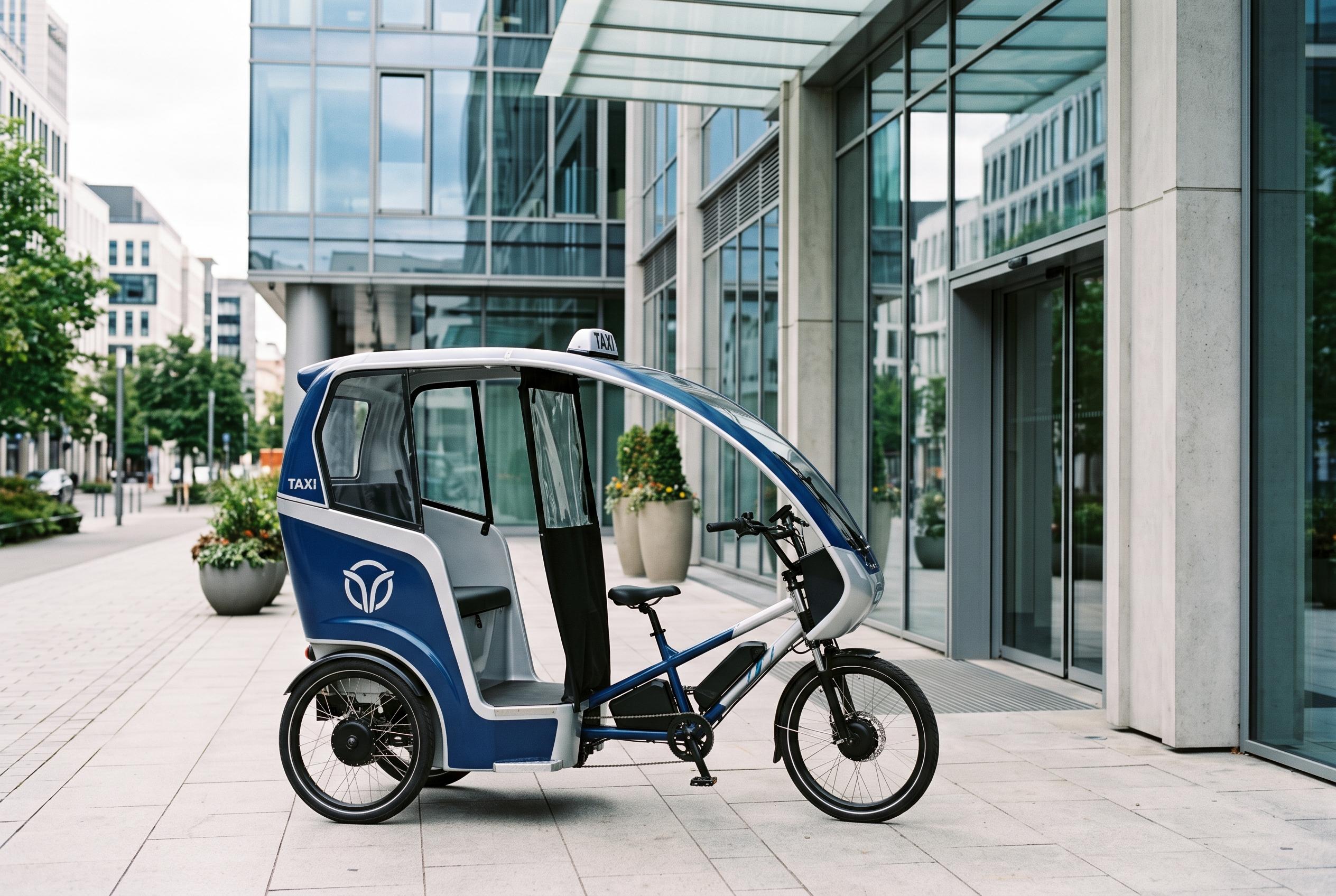

Uber is extending its bike taxi services to 100 more cities across India, reaching 220 locations and challenging rivals like Rapido amid mounting market pressures and regulatory changes.
Uber is widening its bike taxi push in India, adding 100 more cities to Uber Bike and taking the service to 220 locations as it targets smaller towns beyond the metros. The company says the move covers 18 states and one union territory, with rides now available in places including Jammu, Tirunelveli, Silchar and Jamnagar, as it tries to strengthen its position in the two-wheeler mobility market.
The expansion also sharpens Uber’s contest with Rapido and a growing set of electric vehicle-led ride-hailing challengers. Uber has said its bike and auto services address different rider needs and help broaden the overall market rather than simply shifting demand from one product to another. A study cited by the company found that more than 500,000 users in Bengaluru took their first Uber trip on a bike since 2024, a sign that the service is drawing in new customers.
The timing is notable. According to Financial Express, Uber India’s losses surged in FY25 as the company stepped up spending on driver incentives and customer discounts. Its filing showed gross revenue remained flat at ₹2,604 crore, while net revenue from ride-hailing fell sharply and losses widened. Times of India separately reported that total sales in the India business rose only modestly in the same period, underlining how hard the market has become for established players.
The company’s India strategy has become more dependent on smaller vehicles. Business Standard reported earlier this year that Uber had rebranded its Moto offering as Uber Bike and made two-wheelers central to its growth plans, even as regulation remains uneven across states. Union minister for road transport and highways Nitin Gadkari has welcomed the wider rollout and urged states to adopt the Motor Vehicle Aggregator Guidelines, 2025, which he said could support affordable first- and last-mile transport while creating livelihoods at scale.
Disclaimer: This article is intended to inform and educate, not to recommend or endorse any financial product, investment or strategy. Please consider your own financial circumstances and seek professional advice where appropriate before making financial decisions.