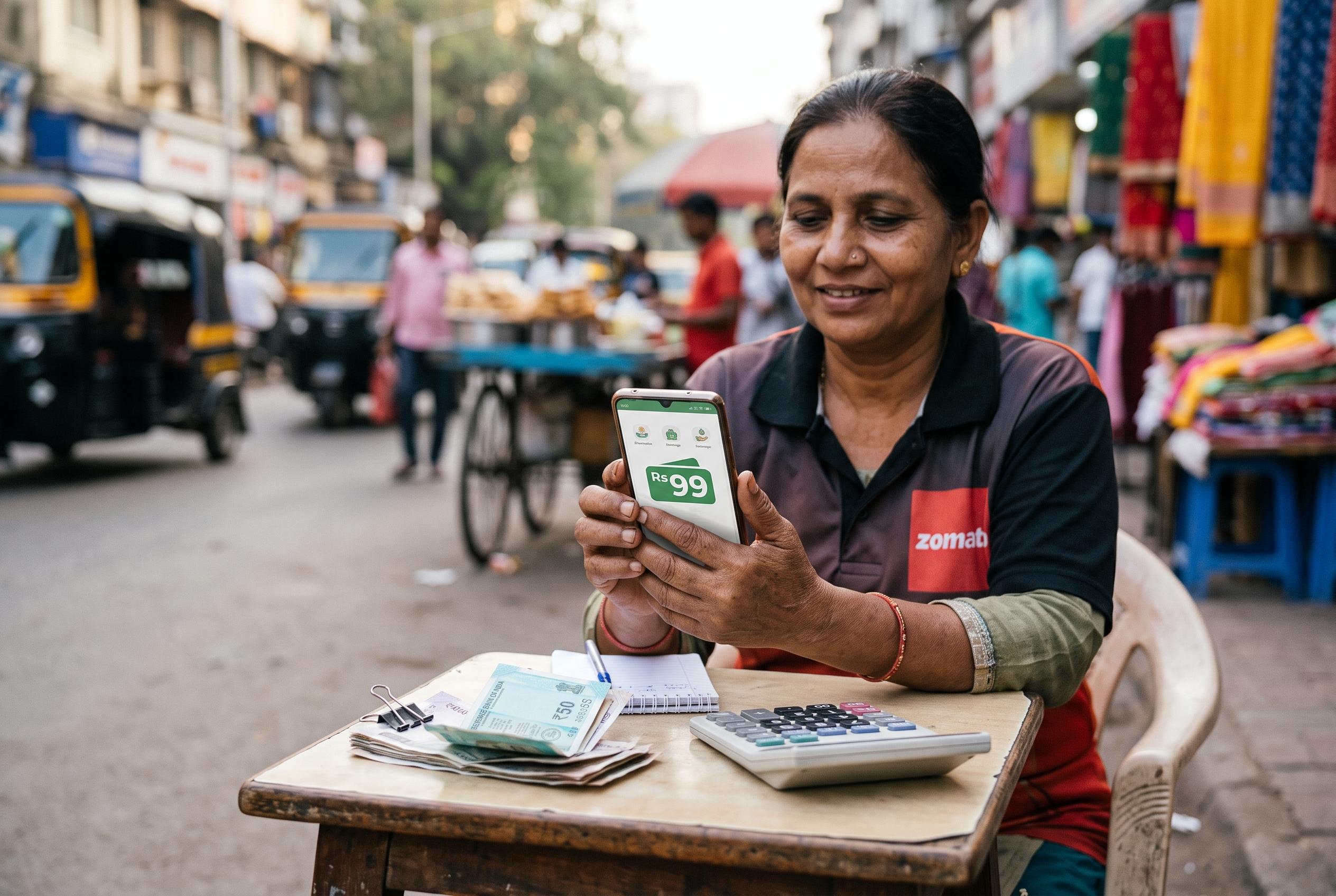

Platform workers across India can now begin saving for retirement with as little as Rs 99 through a more flexible National Pension System, marking a significant shift in pension access for informal workers.
Platform workers linked to Zomato, Swiggy, Blinkit, Ola, Uber and Urban Company can now begin saving for retirement through India’s National Pension System with contributions of just Rs 99, after the Pension Fund Regulatory and Development Authority set out a more flexible route for gig workers. The regulator said the framework is designed to let workers build a pension corpus at their own pace, without a fixed minimum or maximum contribution.
In a post on X on Wednesday, the PFRDA said: “Your work may depend on your next booking, but your retirement shouldn’t.” It added: “With NPS for Platform Workers, you can start with just Rs 99 and contribute at your own pace with no minimum and no maximum contribution limit.” The move is aimed at a workforce that often lacks access to conventional retirement benefits, despite playing an increasingly visible role in India’s labour market.
The structure behind the initiative was introduced through a circular dated October 29, 2025, under the NPS e-shramik, or Platform Service Partner, model. According to the framework, contributions may come from the worker, the platform or both, and aggregators can also pay on behalf of workers. The PFRDA has not set mandatory contribution thresholds, though the worker and platform may agree on a minimum amount between themselves.
The onboarding process is split into two steps. First, KYC details such as name, address, PAN, mobile number and bank account information are collected, with verification possible through Aadhaar-based e-KYC or another method allowed by the regulator. Once consent is given, a Permanent Retirement Account Number is issued. At the outset, the platform may choose the investment scheme and pension fund, but the worker can change those settings later.
The latest move builds on a wider policy push to widen pension access for informal and self-employed workers. Business Standard reported in May that PFRDA had launched NPS Sanchay, a simplified version of the system aimed at workers who may not have financial advisers, while the government has also been weighing whether NPS should be made mandatory for gig and unorganised workers. Separately, the regulator has been overhauling parts of the pension system this year, including exit norms in April and fee changes from April 1, as it tries to make retirement saving more attractive and more accessible.
Disclaimer: This article is intended to inform and educate, not to recommend or endorse any financial product, investment or strategy. Please consider your own financial circumstances and seek professional advice where appropriate before making financial decisions.