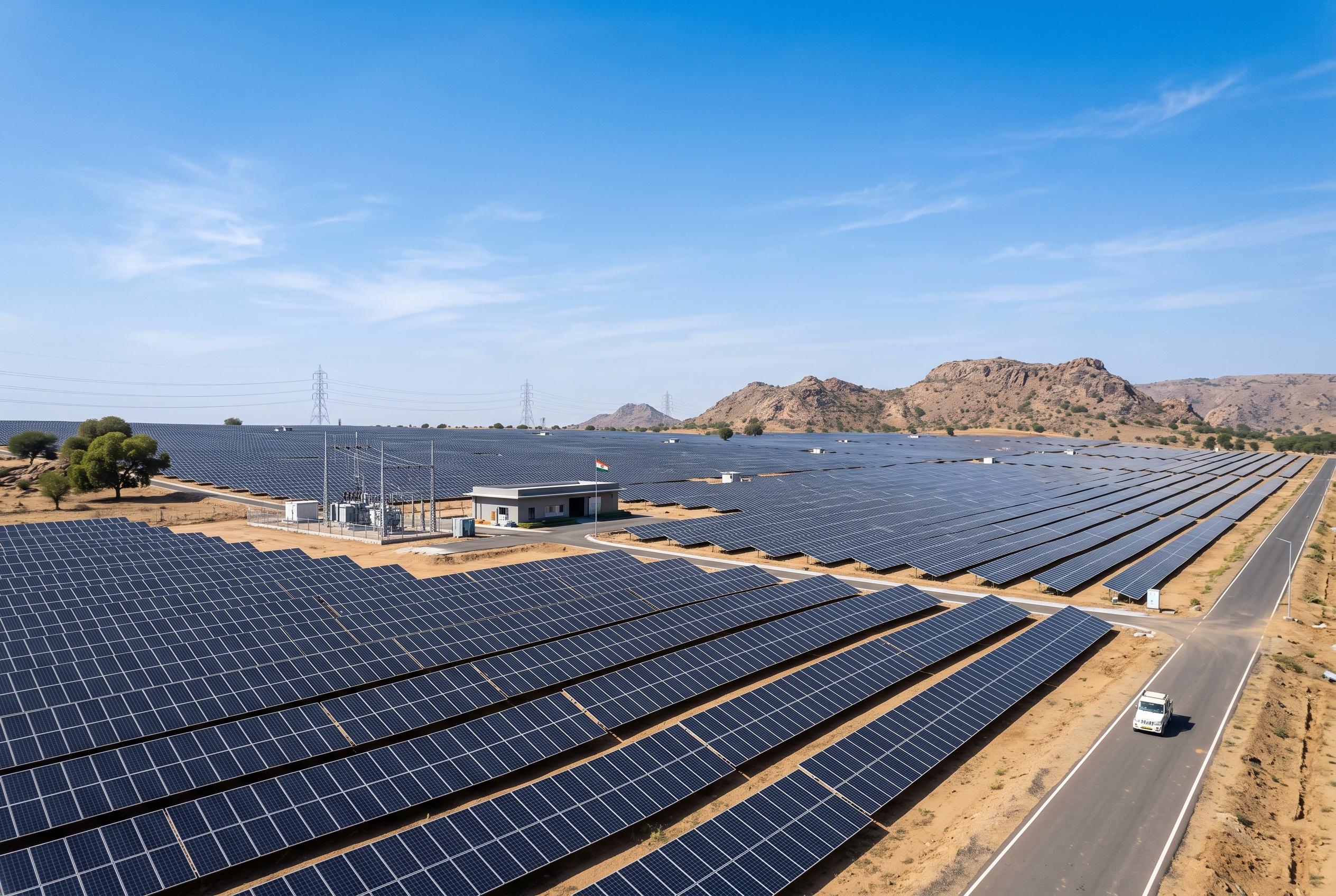

India must roughly double its annual infrastructure expenditure to about ₹40 lakh crore over the next two decades to sustain its long-term development ambitions, says NaBFID MD Rajkiran Rai G, highlighting a crucial policy challenge amid rising public and private sector initiatives.
India needs to roughly double annual infrastructure spending to about ₹40 lakh crore if it is to sustain its long-term growth ambitions, according to Rajkiran Rai G, managing director of NaBFID. Speaking at the FIBAC conference in Mumbai, Rai said the country currently invests about ₹20 lakh crore a year in infrastructure and would need to sustain far larger outlays over the next two decades.
Rai said the infrastructure requirement alone could amount to about ₹800 lakh crore over the next 20 years, while manufacturing capital expenditure would also need a major increase. His comments underline a broader policy challenge: India has stepped up public investment in recent years, but the scale still falls well short of what would be needed to support rapid industrial expansion and better connectivity.
Government and industry data point to a push in that direction. The National Monetisation Pipeline 2.0 aims to raise ₹16.7 lakh crore by leasing or monetising more than 2,000 assets, while a Niti Aayog assessment has suggested the programme could have a GDP impact of nearly ₹40 lakh crore over five to 10 years. The Economic Survey 2025-26 also said infrastructure spending has risen sharply since FY20, with capital outlay projected at ₹11.21 lakh crore in FY26, up from ₹5.92 lakh crore in FY22.
The survey argues that the next phase of infrastructure building must draw in more private capital and go beyond roads, railways and power to include decarbonisation, digitalisation and resilience. Crisil has separately projected that India will spend about ₹143 lakh crore on infrastructure between fiscals 2024 and 2030, more than twice the amount invested in the previous seven-year period, with green projects taking a larger share. That broader financing mix, including infrastructure investment trusts, may prove essential if India is to bridge the gap between current spending and the level Rai says the economy will ultimately require.
Disclaimer: This article is intended to inform and educate, not to recommend or endorse any financial product, investment or strategy. Please consider your own financial circumstances and seek professional advice where appropriate before making financial decisions.