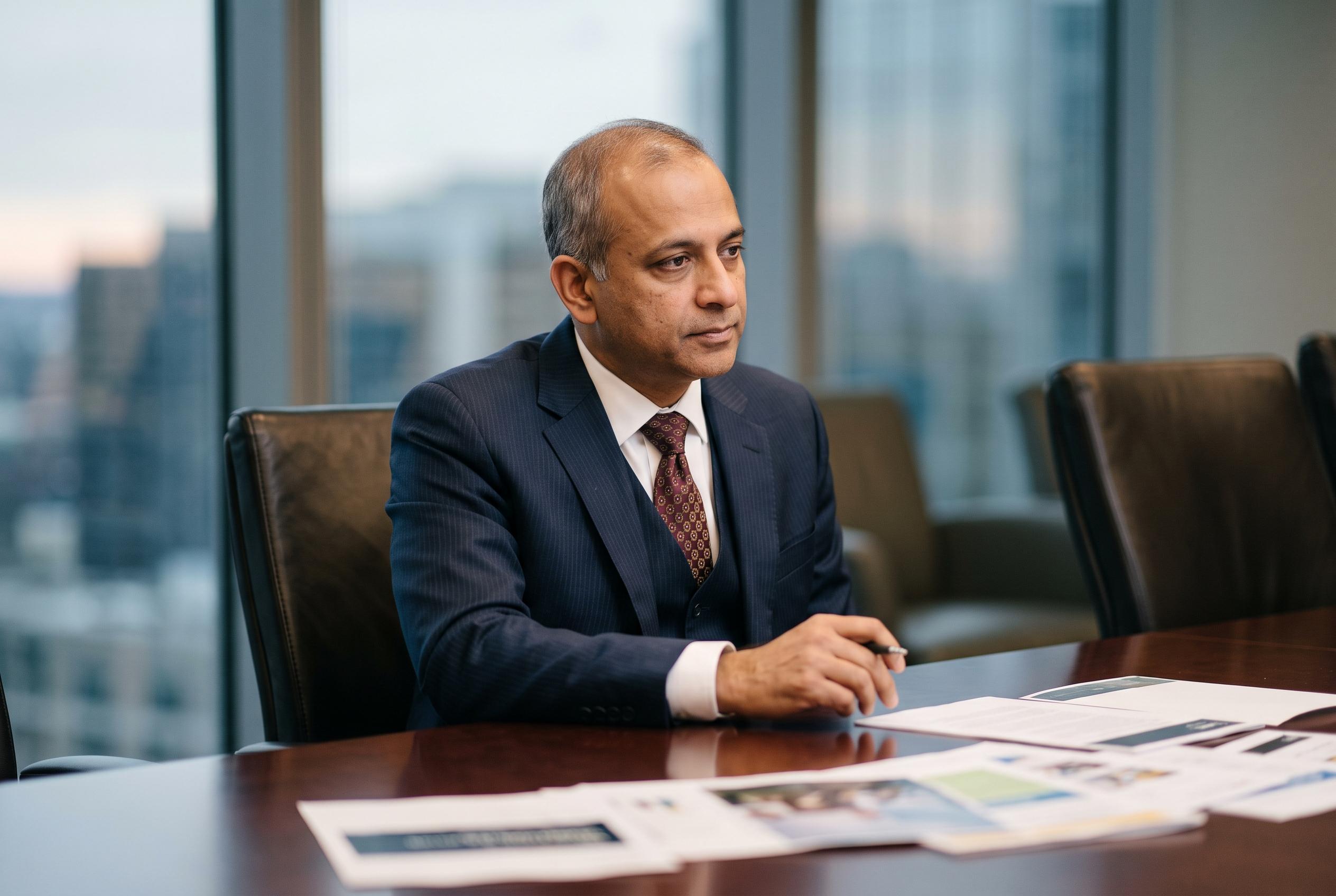

N. Chandrasekaran announces his departure from Tata Sons amid a backdrop of internal disputes over succession and governance, raising questions about the conglomerate’s future stability and strategic direction.
N. Chandrasekaran will step down as chairman of Tata Sons, bringing an end to a tenure that has been overshadowed by a deepening succession struggle at the top of India’s largest conglomerate. In a statement on Wednesday, Chandrasekaran said he had “decided not to seek reappointment” when his current term expires on 20 February next year, adding that clarity over leadership matters for employees, investors, partners and other stakeholders.
The decision follows months of tension with Noel Tata, who chairs Tata Trusts, the charitable bodies that ultimately control the Tata Group. According to the Financial Times, people close to the matter said Noel Tata was caught off guard by the announcement, while other individuals familiar with the dispute said he had wanted his son, Neville, to take on a bigger role. Business Standard and Mint reported that in February 2026 Tata Sons put off a decision on Chandrasekaran’s next five-year term after Noel Tata raised concerns about losses in some group companies and pressed for assurances that Tata Sons would remain unlisted.
Chandrasekaran’s exit raises fresh questions over governance at the group, which has no deputy chairman or publicly acknowledged succession plan. Vijay Singh, a trustee of several Tata Trusts vehicles, told the Financial Times it was regrettable that Chandrasekaran had to leave under these circumstances and said the group would struggle to replace his execution skills. He also said the wider relationship between the trusts and the holding company should not have reached such a fraught point.
The timing is also awkward for Tata Sons because it faces pressure from the Reserve Bank of India over a possible listing, after being classified as one of the country’s largest shadow banking entities. At the same time, Tata Consultancy Services, the group’s biggest profit engine, has come under strain as investors weigh the impact of artificial intelligence, with its shares down sharply over the past year and falling again after the announcement. Air India, another flagship, is still recovering from last year’s crash that killed 260 people.
For a conglomerate with interests ranging from software and steel to aviation, defence, electronics and semiconductors, the leadership shift marks another chapter in a prolonged battle over control and direction. Suhel Seth, a former Tata adviser, told the Financial Times that Chandrasekaran had been brought in during a period when the group needed stability and guidance, and suggested the next chairman would have to confront unresolved concerns around Air India and Tata Digital.
Disclaimer: This article is intended to inform and educate, not to recommend or endorse any financial product, investment or strategy. Please consider your own financial circumstances and seek professional advice where appropriate before making financial decisions.